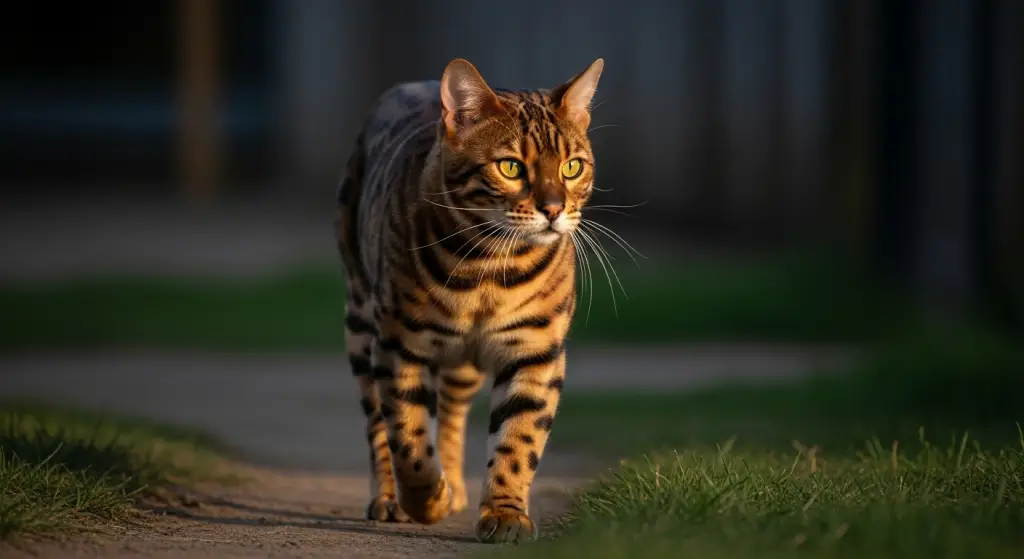
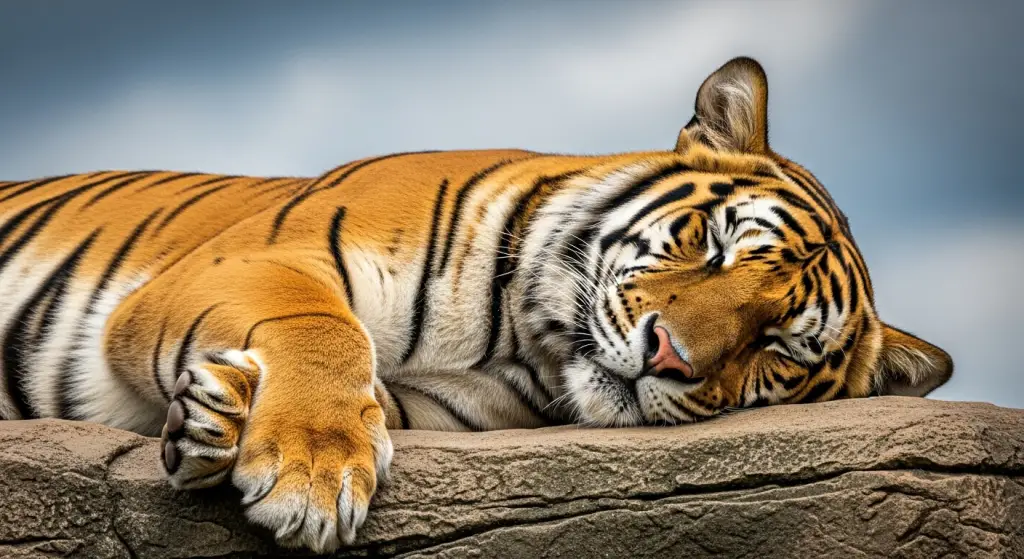
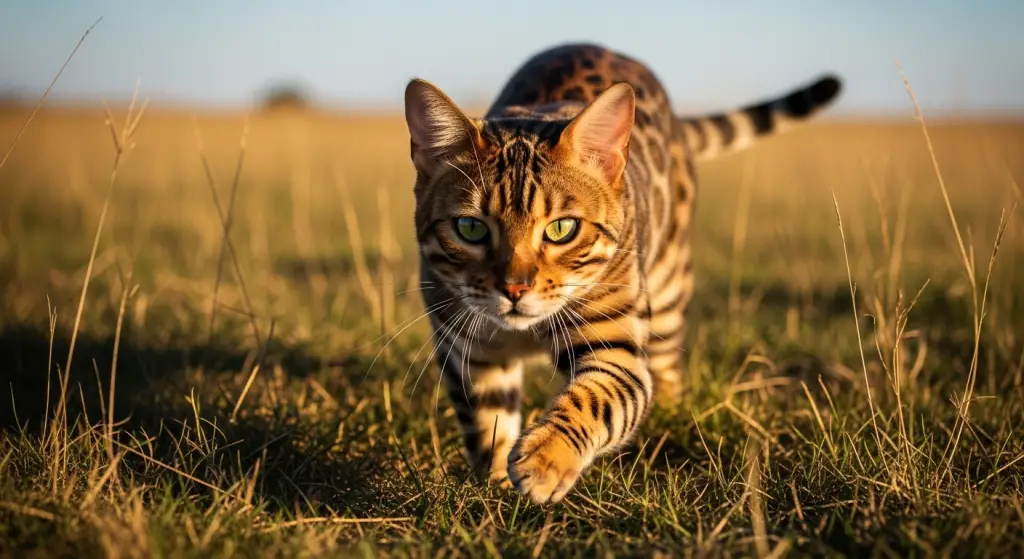
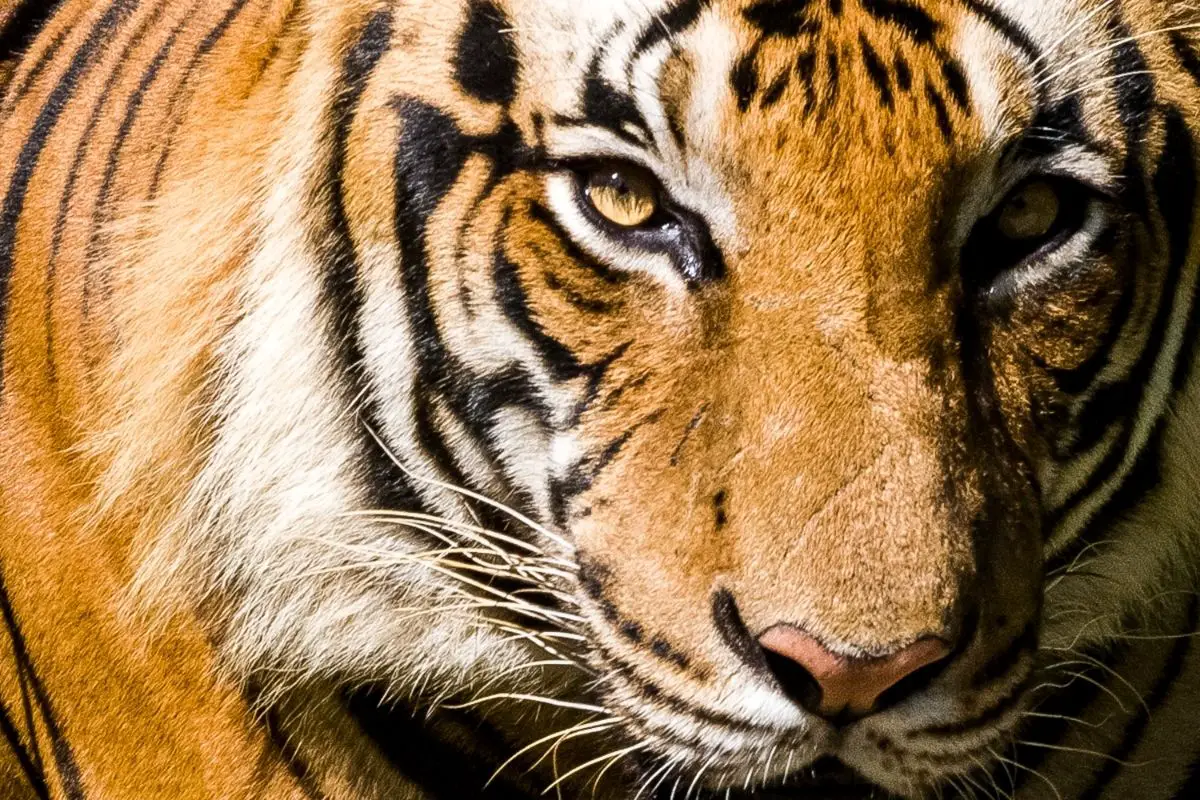
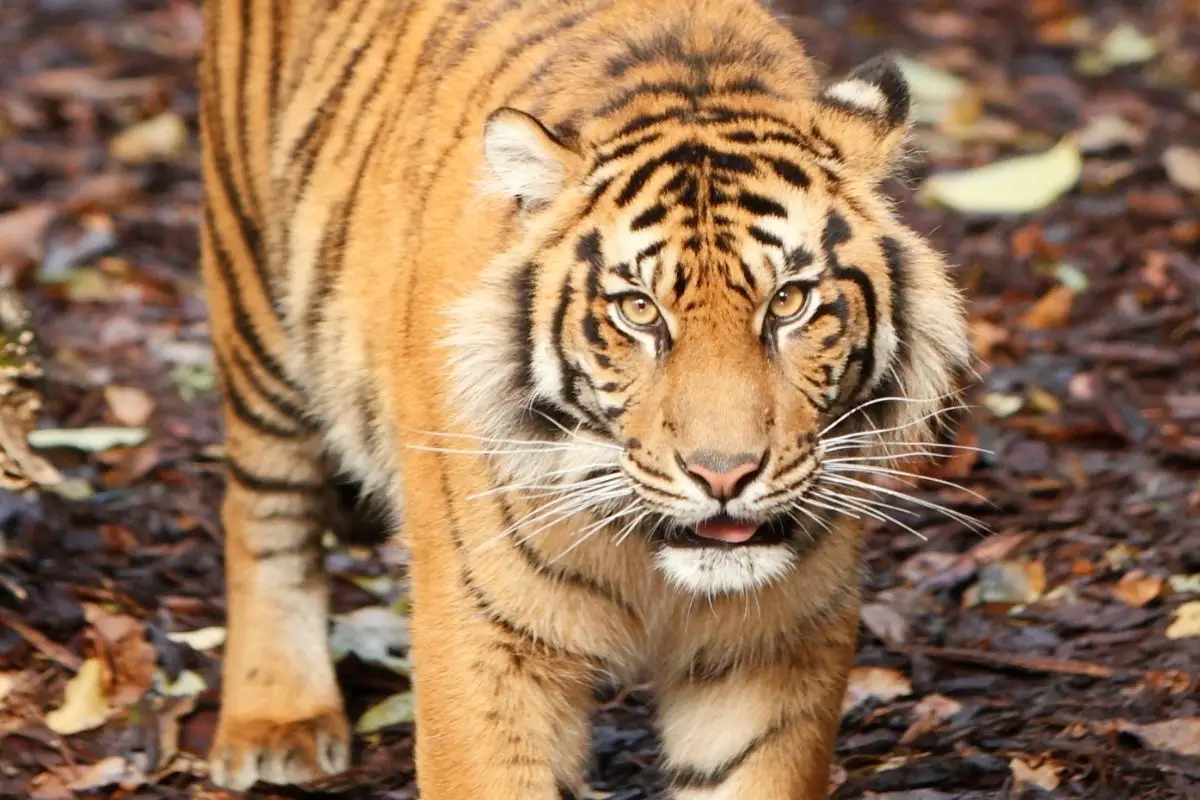
Have you ever wondered about the fascinating connection between your domestic Bengal cat and the majestic Bengal tiger prowling through Indian jungles? While these two felines share striking visual similarities and even part of their names, they represent vastly different worlds – one purring on your couch, the other reigning as apex predator in the wild.
The confusion between Bengal cats and Bengal tigers is understandable. Both showcase stunning spotted or marbled coats, exhibit remarkable agility, and possess an almost mystical beauty that captivates anyone who encounters them. However, the differences between these two magnificent creatures extend far beyond size, encompassing genetics, behavior, conservation status, and their relationships with humans.
In this comprehensive comparison for 2025, we’ll explore every aspect of Bengal cats versus wild Bengal tigers, helping you understand the remarkable similarities and crucial differences between these two extraordinary felines. Whether you’re a current Bengal cat owner, considering adoption, or simply fascinated by big cats, this guide will provide valuable insights into both species.
Origins and Genetic Background: Where These Felines Come From
Bengal Cat Origins: A Modern Hybrid Creation
Bengal cats represent one of the most successful domestic cat breeding programs in modern history. Created in the 1960s by geneticist Jean Mill, Bengal cats resulted from crossing domestic cats with Asian Leopard Cats (Prionailurus bengalensis) – not Bengal tigers, despite the name confusion.
The breeding program aimed to create a domestic cat with the wild appearance of a leopard cat but the temperament suitable for family life. After several generations of careful breeding, the modern Bengal cat emerged as a distinct breed, officially recognized by The International Cat Association (TICA) in 1983.
Genetic composition: F4 generation or later (at least four generations removed from wild ancestry)
Primary wild ancestor: Asian Leopard Cat
Development timeline: 1960s to present
Breeding goal: Wild appearance with domestic temperament
Bengal Tiger Evolution: Ancient Apex Predator
Bengal tigers (Panthera tigris tigris) represent one of Earth’s most magnificent predators, with an evolutionary history spanning over 2 million years. These apex predators evolved in Asia, developing their distinctive striped coats and powerful builds to become perfectly adapted jungle hunters.
The Bengal tiger subspecies specifically developed in the Indian subcontinent, where they became the largest wild cats in their range. Their evolution focused on size, strength, and hunting efficiency rather than compatibility with human environments.
Scientific classification: Panthera tigris tigris
Evolutionary timeline: Over 2 million years
Geographic origin: Indian subcontinent
Evolutionary focus: Apex predation and territorial dominance
Physical Characteristics: Size, Appearance, and Coat Patterns
Bengal Cat Physical Traits
Bengal cats exhibit a medium to large domestic cat build with distinctly wild features that set them apart from typical house cats. Their muscular, athletic bodies reflect their wild heritage while remaining perfectly sized for indoor living.
Size specifications:
Weight: Males 10-15 pounds, Females 6-12 pounds
Length: 14-18 inches (body), plus 12-15 inch tail
Height: 8-10 inches at shoulder
Build: Muscular, athletic, slightly longer than tall
Colors: Brown, silver, snow (seal lynx point, seal mink, seal sepia)
Texture: Short, dense, incredibly soft with “glitter” effect
Bengal Tiger Physical Dominance
Bengal tigers represent the largest cats in the world, with males reaching extraordinary proportions that dwarf all other feline species. Their massive builds evolved for taking down large prey and defending vast territories.
Build: Massively muscular, built for power and endurance
Iconic coat characteristics:
Pattern: Distinctive black stripes on orange base
Variations: Stripe width and spacing vary individually
Rare variants: White Bengal tigers (genetic recessive trait)
Seasonal changes: Thicker winter coat in northern ranges
[Table: Physical Comparison – Bengal Cat vs Bengal Tiger showing weight, length, height, lifespan, and key physical features]
Behavioral Differences: Domestication vs Wild Instincts
Bengal Cat Behavior: Tamed Wild Spirit
Bengal cats retain many wild behavioral traits while adapting beautifully to domestic life. Their behavior represents a fascinating blend of leopard cat instincts and generations of selective breeding for companionship.
Distinctive behavioral traits:
High energy levels: Require 2-3 hours of active play daily
Climbing enthusiasm: Seek highest perches, love cat trees
Water attraction: Many Bengals enjoy playing in water
Vocal communication: Chirps, chatters, and trills beyond typical meowing
Intelligence: Problem-solving abilities, can learn tricks
Territorial awareness: May patrol their home territory
Social characteristics:
Form strong bonds with family members
Often choose one “favorite” person
Can coexist with other pets when properly socialized
Require mental stimulation to prevent destructive behavior
Bengal Tiger Behavior: Apex Predator Instincts
Bengal tigers exhibit purely wild behavioral patterns developed over millions of years of evolution. Every aspect of their behavior centers around survival, hunting, and territorial dominance in challenging environments.
Hunting and feeding behavior:
Solitary hunters: Ambush predators with 90% stealth approach
Prey requirements: Need 15-25 pounds of meat daily
Hunting range: Can travel 10-20 miles in single hunt
Success rate: Approximately 10-20% of hunts successful
Territorial behavior:
Territory size: Males 100-400 square miles, females 60-100 square miles
Marking: Scent marking, claw marks, vocalizations
Solitary nature: Except during mating or mother with cubs
Swimming ability: Excellent swimmers, hunt in water
Habitat and Environmental Needs
Bengal Cat Living Requirements
Bengal cats adapt well to indoor environments but require specific accommodations to satisfy their active nature and wild heritage. Creating the right environment prevents behavioral issues and ensures optimal health.
Interactive elements: Puzzle feeders, rotating toy selection
Safe outdoor access: Screened porches, cat-proof fencing, or supervised time
Water features: Fountains or dripping faucets for water play
Hiding spots: Cat caves, boxes, quiet retreat areas
Climate considerations:
Comfortable in typical household temperatures (65-75°F)
May seek warm spots during winter
Short coat requires minimal seasonal adjustments
Good ventilation important for active cats
Bengal Tiger Natural Habitat Requirements
Bengal tigers require vast wilderness areas with specific ecological conditions to survive and thrive. Their habitat needs reflect their status as apex predators requiring extensive territory.
Natural habitat characteristics:
Territory requirements: 100-400 square miles per individual
Water access: Rivers, lakes, or coastal areas essential
Prey density: Sufficient deer, wild boar, and other large mammals
Cover availability: Dense vegetation for stalking and ambush
Current habitat challenges:
Habitat fragmentation due to human development
Prey depletion from overhunting
Human-wildlife conflict in buffer zones
Climate change affecting prey migration patterns
Care Requirements and Human Interaction
Bengal Cat Care: High-Maintenance Companions
Bengal cats require above-average commitment compared to typical domestic cats. Their care needs reflect their active nature, intelligence, and wild heritage.
Daily care requirements:
Exercise: 2-3 hours of interactive play and activity
Mental stimulation: Puzzle toys, training sessions, environmental enrichment
Grooming: Weekly brushing, regular nail trimming
Social interaction: Quality time with family members
Feeding: High-protein diet, portion control for weight management
Health monitoring needs:
Annual veterinary checkups with Bengal-experienced vets
Genetic testing for breed-specific conditions
Dental care and monitoring
Weight management due to food motivation
Training and socialization:
Early socialization critical for well-adjusted adults
Positive reinforcement training for basic commands
Leash training possible and beneficial
Consistency in rules and boundaries
Bengal Tiger Conservation: Human Responsibility
Bengal tigers require intensive conservation efforts rather than direct care, as they remain wild animals unsuitable for private ownership. Human interaction focuses on protection and habitat preservation.
Conservation care needs:
Habitat protection: Preserving and connecting wildlife corridors
Anti-poaching efforts: 24/7 monitoring and protection
Human-wildlife conflict mitigation: Buffer zones and compensation programs
Research and monitoring: Population tracking and health assessment
According to the World Wildlife Fund, Bengal tigers represent the largest tiger subspecies population, but still face critical conservation challenges requiring ongoing international support.
Diet and Feeding Differences
Bengal Cat Nutritional Needs
Bengal cats require high-protein diets that reflect their active metabolism and wild ancestry. Their feeding requirements often exceed those of less active domestic cat breeds.
Optimal diet composition:
Protein content: 35-50% high-quality animal protein
Fat content: 15-20% for energy and coat health
Carbohydrates: Less than 10% (cats are obligate carnivores)
Feeding schedule: 2-3 meals daily for adults
Portion control: Bengals prone to overeating
Special considerations:
Some Bengals have sensitive stomachs requiring grain-free diets
Fresh water availability essential (many prefer moving water)
Bengal Tiger Hunting and Diet
Bengal tigers are apex carnivores with extraordinary daily caloric needs that shape their entire lifestyle and territory requirements.
Natural prey and consumption:
Primary prey: Deer, wild boar, water buffalo
Secondary prey: Fish, birds, smaller mammals when available
Daily intake: 15-25 pounds of meat when feeding
Feeding frequency: May eat once every 3-4 days after successful hunt
Consumption method: Drag prey to secluded areas, feed over multiple days
Hunting adaptations:
Powerful jaw strength (1,000 PSI bite force)
Retractable claws up to 4 inches long
Excellent night vision for dawn/dusk hunting
Swimming ability allows aquatic hunting
Bengal Tiger vs Bengal Cat Nutritional Comparison
Daily Nutritional Comparison: Bengal Tiger vs. Bengal Cat
These magnificent creatures may share a name, but their nutritional needs are worlds apart.
Let’s explore the fascinating differences between these feline relatives.
Nutritional Factor
Bengal Tiger
Bengal Cat
Average Weight
275-350 lbs (female-male)
8-15 lbs
Daily Caloric Needs
3,000-5,000 calories Can consume up to 1/5 of body weight in a day when feeding
20-25 calories per pound of body weight (160-250 calories daily)
Protein Requirements
9-18 pounds of meat (4-6% of body weight) Primarily from large prey animals
High protein diet (>30% of calories) From meat sources with high biological value
Feeding Frequency
Inconsistent in wild – may gorge up to 100 lbs at once and fast for days In captivity: 5 times per week
Kittens: 3-4 times daily Adults: 2-3 times daily on a consistent schedule
Commercial cat food high in animal protein Wet and dry food combinations Occasional treats like cooked chicken
Essential Nutrients
High vitamin A requirements Taurine (amino acid) Calcium from bones
Taurine (amino acid) Omega-3 and omega-6 fatty acids Moderate vitamin A levels
Dietary Concerns
Requires calcium supplementation when not consuming bones Risk of obesity in captivity due to reduced activity
Avoid carbohydrates which can lead to obesity Need fresh water, preferably running
Lifespan and Health Considerations
Bengal Cat Health and Longevity
Bengal cats generally enjoy robust health with lifespans comparable to other domestic cat breeds, though certain genetic predispositions require monitoring.
Bengal tigers remain critically endangered despite recent population increases, requiring continued intensive conservation efforts.
Current status (2025):
Wild population: Approximately 2,500 individuals
Trend: Slowly increasing from conservation lows
Geographic range: Primarily India, small populations in Bangladesh, Nepal
Protection status: Maximum legal protection in all range countries
Conservation successes and challenges:
Successes: Project Tiger reserves, anti-poaching efforts, community engagement
Ongoing challenges: Habitat fragmentation, human pressure, climate change
Future outlook: Cautiously optimistic with continued support
The Panthera Foundation continues supporting critical Bengal tiger conservation programs across India, working with local communities to ensure long-term survival.
Frequently Asked Questions
Are Bengal cats related to Bengal tigers?
No, Bengal cats are not directly related to Bengal tigers. Bengal cats were created by crossing domestic cats with Asian Leopard Cats, while Bengal tigers are a subspecies of tiger. The name “Bengal” for the domestic breed comes from the scientific name of the Asian Leopard Cat (Prionailurus bengalensis), not from Bengal tigers.
Can Bengal tigers be kept as pets?
Absolutely not. Bengal tigers are dangerous wild animals that require vast territories, specialized care, and pose significant safety risks. Private ownership of Bengal tigers is illegal in most places and unethical. They belong in protected wild habitats or accredited conservation facilities only.
How big do Bengal cats get compared to Bengal tigers?
Bengal cats typically weigh 6-15 pounds and measure 14-18 inches in body length. Bengal tigers can weigh 400-660 pounds (males) and measure 9-10 feet in body length. Tigers are roughly 30-40 times heavier than Bengal cats.
Do Bengal cats act like wild cats?
Bengal cats retain some wild behaviors like high energy levels, love of climbing, and strong hunting instincts, but they are fully domesticated. With proper socialization, they make affectionate family pets, though they require more interactive care than typical house cats.
What’s the lifespan difference between Bengal cats and tigers?
Bengal cats typically live 12-16 years with proper care. Wild Bengal tigers live 10-15 years, though captive tigers can reach 20-25 years. The domestic cat’s protected environment contributes to more predictable longevity.
Are Bengal cats endangered like Bengal tigers?
No, Bengal cats are not endangered. They’re a popular, stable domestic breed with healthy population numbers. Bengal tigers, however, are critically endangered with only about 2,500 individuals remaining in the wild.
Can Bengal cats swim like Bengal tigers?
Many Bengal cats enjoy water and some will swim, inheriting this trait from their Asian Leopard Cat ancestry. However, not all Bengals like water. Bengal tigers are excellent swimmers and regularly hunt in water, making swimming essential for their survival.
Conclusion: Two Magnificent Felines, Two Different Worlds
The comparison between Bengal cats and Bengal tigers reveals the fascinating diversity within the feline world – from the purring companion sharing your home to the apex predator ruling distant jungles. While both showcase stunning beauty and remarkable athleticism, they represent entirely different evolutionary paths and human relationships.
Bengal cats offer the perfect compromise for those drawn to wild beauty but seeking a domestic companion. Their active nature, striking appearance, and intelligent personalities make them rewarding pets for dedicated owners willing to meet their high-energy needs. As a successful example of ethical breeding, Bengal cats allow us to appreciate wild characteristics in a domestic setting.
Bengal tigers command our respect and protection as one of nature’s most magnificent predators. Their survival depends entirely on our commitment to conservation, habitat protection, and sustainable coexistence. These apex predators serve as crucial indicators of ecosystem health and biodiversity.
Key takeaways for 2025:
Choose Bengal cats from reputable breeders prioritizing health and temperament
Provide adequate enrichment and care for Bengal cats’ unique needs
Support Bengal tiger conservation through reputable organizations
Never consider wild cats as potential pets
Appreciate both species for their distinct roles in our world
Whether you’re captivated by the domestic Bengal’s playful antics or awed by the wild Bengal tiger’s majesty, both creatures deserve our admiration, respect, and appropriate care. The Bengal cat brings wild beauty into our homes, while the Bengal tiger reminds us of nature’s power and our responsibility as stewards of the planet’s incredible biodiversity.
By understanding and appreciating these differences, we can better support both species – providing loving homes for Bengal cats and protecting the wild spaces essential for Bengal tiger survival. In 2025 and beyond, both these magnificent felines depend on informed, responsible human choices for their continued wellbeing and conservation success.
Hi, my name is Joe Edwards and I am fascinated by the world of big cats. It all started when my family and I visited a safari park when I was six years old. I begged my parents to get me a stuffed lion as a memento, and later a book about big cats for Christmas.
Now, over 20 years later, I still can’t get enough of them!