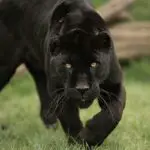
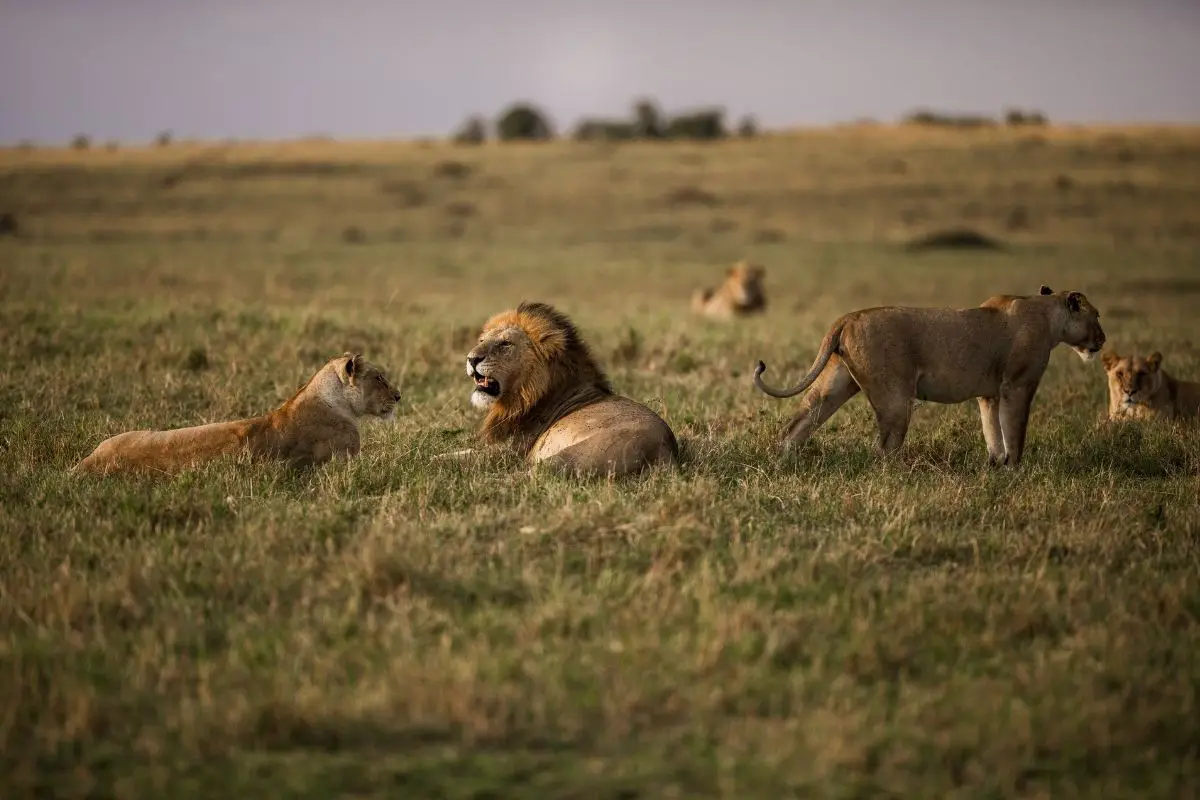
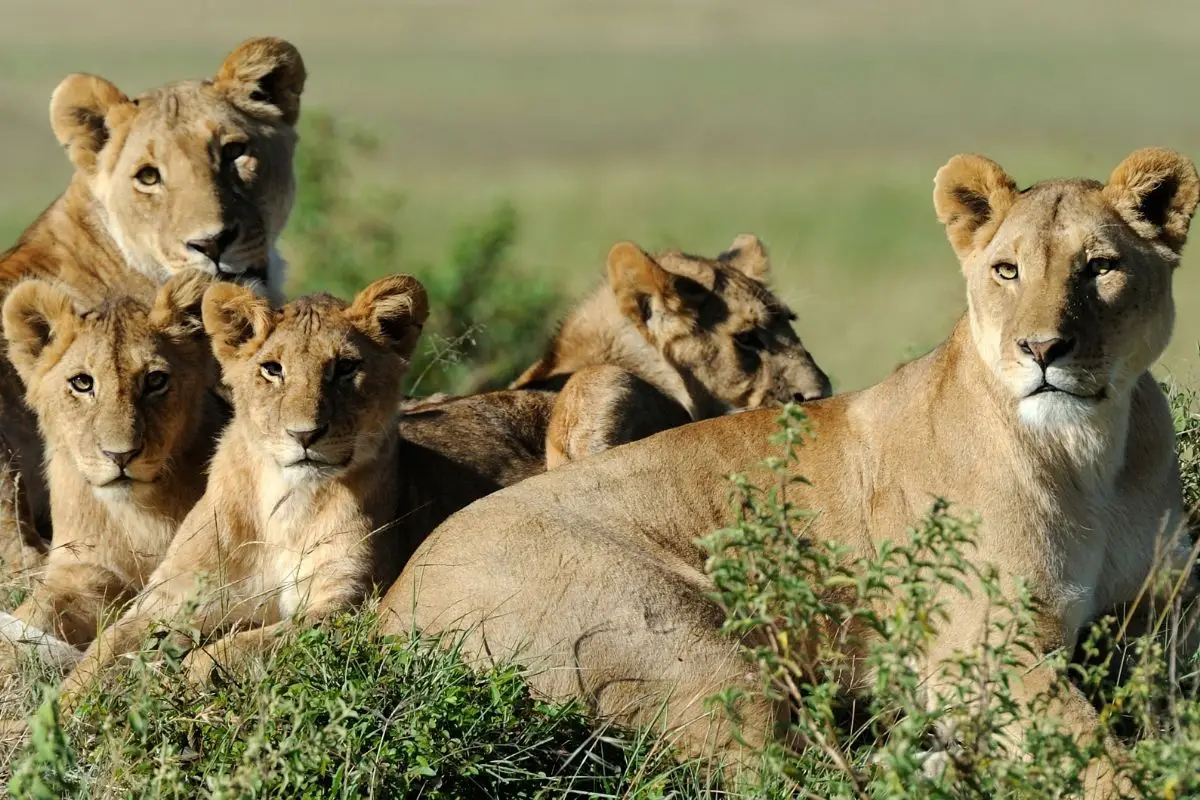
The roar of a lion at dawn, the silent grace of a leopard disappearing into tall grass, the piercing gaze of a tiger emerging from jungle shadows – these moments define the majesty of big cats. Yet these apex predators face unprecedented threats, with populations declining at alarming rates worldwide. For conservation-minded travelers seeking meaningful impact in 2025, big cat conservation volunteering offers an extraordinary opportunity to contribute directly to species preservation while experiencing wildlife encounters that transform lives forever.
Whether you’re drawn to the savannas of Africa, the jungles of India, or the cloud forests of Central America, this comprehensive guide reveals the premier destinations for big cat conservation work in 2025. From hands-on research projects to community-based conservation initiatives, we’ll explore programs that welcome volunteers of all experience levels while making genuine contributions to conservation science.
[Image: Volunteer researcher tracking a radio-collared leopard through African bush at sunset]
Why Big Cat Conservation Volunteering Matters More Than Ever
The statistics paint a sobering picture: wild tiger populations have declined by 95% over the past century, while African lion numbers have plummeted from 200,000 in the 1960s to fewer than 20,000 today. Leopards, jaguars, cheetahs, and smaller wild cats face similar pressures from habitat loss, human-wildlife conflict, and illegal wildlife trade.
Conservation volunteering addresses these challenges through:
Research and monitoring – Collecting crucial data on population dynamics, behavior, and habitat use
Community engagement – Building local support for conservation through education and sustainable livelihood programs
Anti-poaching efforts – Supporting ranger teams and technology-based protection initiatives
Habitat restoration – Rehabilitating degraded ecosystems and creating wildlife corridors
Rescue and rehabilitation – Caring for injured, orphaned, or confiscated big cats
According to the Panthera Foundation, volunteer contributions have become essential for funding long-term conservation programs, with participant fees directly supporting field research, equipment purchases, and local community initiatives.
Top African Destinations for Big Cat Conservation
South Africa: The Lion Conservation Capital
South Africa remains the premier destination for big cat conservation volunteering in 2025, offering diverse programs from the Greater Kruger ecosystem to the semi-arid Karoo region. The country’s well-developed volunteer infrastructure combines with significant conservation challenges to create meaningful opportunities for participants.
Greater Kruger Area Programs
The ecosystems surrounding Kruger National Park host several established conservation projects focusing on lions, leopards, and cheetahs. Volunteers typically engage in:
Radio telemetry tracking of collared big cats
Camera trap surveys and data analysis
Human-wildlife conflict mitigation with local communities
Bush clearing to restore natural prey habitats
Tourist education at wildlife reserves
Best Programs: Kevin Richardson Wildlife Sanctuary, Thornybush Game Reserve Research Project, and Balule Nature Reserve offer 2-12 week placements starting from $1,200-2,800.
[Image: Volunteer placing camera trap on tree while researcher explains big cat behavior patterns]
Western Cape Cheetah Conservation
The wine lands and wheat fields of Western Cape present unique conservation challenges where cheetahs conflict with farming operations. Volunteer programs focus on:
Livestock guarding dog breeding and training programs
Cheetah tracking and behavioral research
Farmer education and compensation scheme administration
School outreach programs
Spotlight Program: Cheetah Outreach in Somerset West offers specialized 4-week programs combining research, community work, and ambassador animal care for $2,100-2,600.
Kenya: Community-Based Cat Conservation
Kenya’s community conservancy model has revolutionized big cat protection by involving local Maasai and Samburu communities as conservation partners. This approach offers volunteers authentic cultural immersion alongside conservation work.
Maasai Mara Ecosystem
The world-famous Maasai Mara and surrounding conservancies provide habitat for over 900 lions – one of Africa’s densest populations. Volunteer opportunities include:
Lion identification and pride mapping projects
Conflict mitigation through predator-proof livestock enclosures
Community education in Maasai manyattas (villages)
Wildlife corridor monitoring and maintenance
Tourist guide training for community members
Premier Program: Maasai Mara Wildlife Conservancies Association coordinates 6-24 week placements across multiple conservancies, with costs ranging $1,800-4,200 depending on duration and accommodation level.
[Table: Comparison of program duration, costs, and focus areas for top African destinations]
Namibia: Desert-Adapted Cat Specialists
Namibia’s unique desert-adapted lions and cheetahs represent evolutionary marvels worthy of specialized conservation attention. The country’s vast landscapes and low human density create ideal conditions for landscape-scale conservation projects.
Key volunteer activities include:
Satellite collar deployment and monitoring
Water point management for wildlife access
Tourist lodge staff training in carnivore behavior
Genetic sampling for population health assessments
Recommended Program: Namibian Large Carnivore Program offers intensive 8-12 week research internships for $3,200-4,800, including 4WD training and GPS/GIS certification.
Asian Big Cat Conservation Hotspots
India: Tiger Conservation Powerhouse
India’s remarkable tiger recovery story – from 1,411 tigers in 2006 to over 3,000 in 2025 – demonstrates the power of dedicated conservation action. Several regions now offer volunteer programs supporting continued tiger population growth.
Central Indian Tiger Reserves
The Satpura-Maikal landscape connecting Kanha, Bandhavgarh, and Pench Tiger Reserves represents India’s tiger conservation heartland. Volunteer programs focus on:
Camera trap surveys in core and buffer zones
Prey species monitoring (deer, wild boar, gaur)
Village-level conservation education programs
Alternative livelihood development for forest communities
Habitat restoration in degraded forest areas
Standout Program: Wildlife Conservation Trust India offers 4-16 week programs based from Kanha National Park, including Hindi language training and cultural immersion components ($1,600-5,200).
[Image: Female tiger with cubs crossing forest path captured on camera trap, with volunteer reviewing footage on laptop]
Western Ghats Leopard Research
The Western Ghats biodiversity hotspot supports India’s highest leopard densities alongside growing human populations, creating complex conservation challenges perfect for volunteer involvement.
Program components include:
Leopard individual identification using rosette patterns
Coffee plantation wildlife corridor assessments
School education programs in Tamil and Kannada
Human-leopard conflict response training
Nepal: Snow Leopard Conservation
Nepal’s high-altitude snow leopard research programs offer volunteers the chance to work with one of the world’s most elusive big cats while experiencing Himalayan culture firsthand.
High-altitude camera trap installation and monitoring
Livestock insurance program administration
Predator-proof corral construction
Handicraft development for women’s cooperatives
Trekker and mountaineer education
Unique Opportunity: Annapurna Snow Leopard Project offers 6-12 week high-altitude assignments (3,500-4,500m elevation) for physically fit volunteers, including mountaineering training ($2,800-4,600).
Latin American Jaguar Conservation Programs
Costa Rica: Central American Jaguar Corridor
Costa Rica’s position as a critical link in the Mesoamerican jaguar corridor makes it essential for maintaining genetic connectivity between North and South American jaguar populations.
Osa Peninsula Wilderness
The Osa Peninsula contains 2.5% of global biodiversity within Costa Rica’s largest remaining lowland tropical rainforest. Jaguar conservation work includes:
Jungle camera trap line maintenance
Prey species population surveys
Local community environmental education
Sustainable tourism development
Reforestation of degraded cattle pastures
Premier Program: Osa Conservation offers immersive 4-20 week programs combining jaguar research with sea turtle conservation and tropical ecology studies ($1,900-6,400).
Brazil: Pantanal Jaguar Research
The Pantanal wetlands support the world’s highest jaguar density and offer unparalleled opportunities for jaguar behavioral research and tourism-based conservation.
[Image: Jaguar drinking at riverbank with volunteer researchers observing from boat in background]
Ethical Considerations and Program Selection
Identifying Legitimate Conservation Programs
The growth of wildlife volunteering has unfortunately attracted unethical operators prioritizing profit over conservation impact. Legitimate programs demonstrate:
Transparent partnerships with established conservation organizations, universities, or government agencies
Published research outcomes from volunteer data collection efforts
Long-term commitments to study sites and local communities
Qualified supervision by trained biologists or conservation professionals
Realistic expectations about volunteer contributions and wildlife interactions
Red Flags to Avoid
Exercise caution with programs that:
Promise guaranteed big cat sightings or interactions
Involve direct contact with adult wild cats
Lack clear conservation objectives or measurable outcomes
Focus primarily on photo opportunities rather than conservation work
Cannot provide references from previous volunteers or partner organizations
Sanctuary vs. Wild Conservation Programs
Both sanctuary-based and wild conservation programs serve important roles, but offer different experiences:
[Table: Comparison of sanctuary programs vs. wild conservation programs – showing daily activities, conservation impact, costs, and suitable volunteer profiles]
Preparing for Your Big Cat Conservation Adventure
Essential Skills and Prerequisites
While most programs welcome volunteers without extensive wildlife experience, certain skills enhance your contribution:
Technical Skills
GPS and mapping: Essential for telemetry work and survey plot establishment
Photography: Camera trap data processing and documentation photography
Data entry and analysis: Spreadsheet proficiency for research databases
Basic vehicle maintenance: Useful for remote field station assignments
Personal Attributes
Physical fitness: Many programs involve extensive hiking and outdoor work
Cultural sensitivity: Respectful engagement with local communities
Patience and perseverance: Wildlife research involves long periods without dramatic sightings
Team collaboration: Most programs operate in small, close-knit teams
Health and Safety Preparation
Big cat conservation work involves inherent risks requiring proper preparation:
Medical Considerations
Vaccinations: Yellow fever, hepatitis A/B, typhoid, and rabies pre-exposure prophylaxis
Malaria prevention: Prophylaxis and protective measures for tropical destinations
Travel insurance: Comprehensive coverage including medical evacuation
Pre-existing conditions: Ensure adequate medication supplies and medical clearance
Safety Protocols
Wildlife encounter procedures and emergency response training
Vehicle safety and breakdown protocols for remote areas
Communication systems and check-in procedures
First aid certification (wilderness first aid preferred)
[Image: Volunteer group receiving safety briefing from local guide near acacia trees in African savanna]
Maximizing Your Conservation Impact
Pre-Departure Skill Development
Maximize your contribution by developing relevant skills before departure:
Online courses: Coursera and edX offer wildlife ecology and conservation biology courses
Language learning: Basic Spanish, Portuguese, Hindi, or Swahili depending on destination
Technical training: GIS software tutorials and wildlife photography workshops
Background reading: Regional wildlife guides and conservation literature
During Your Program
Active engagement enhances both your experience and conservation impact:
Document everything: Maintain detailed field notes and photo documentation
Ask questions: Learn from local researchers and community members
Take initiative: Propose improvements or additional data collection opportunities
Build relationships: Network with conservation professionals and fellow volunteers
Post-Program Engagement
Continue your conservation impact beyond your volunteer period:
Fundraising: Organize events supporting your host program
Advocacy: Share experiences through social media and presentations
Skill sharing: Offer remote data analysis or graphic design support
Career development: Pursue conservation education or professional opportunities
Costs and Budgeting for Conservation Volunteering
Understanding Program Fees
Conservation volunteer programs typically charge fees covering:
Accommodation: Field stations, eco-lodges, or community homestays
Meals: Local cuisine adapted for international volunteers
Transportation: Airport transfers and daily research activities
Training: Orientation, safety briefings, and skill development
Conservation contribution: Direct funding for research equipment and community programs
[Table: Cost breakdown by region showing typical 2-week, 4-week, and 8-week program costs including flights, insurance, and personal expenses]
Funding Opportunities
Several funding sources can offset volunteer program costs:
Conservation scholarships: Many programs offer need-based fee reductions
University programs: Academic credit and study abroad funding
Corporate sponsorship: Environmental corporate social responsibility programs
Crowdfunding: GoFundMe and similar platforms for community support
Grant programs: Environmental foundations supporting conservation education
Frequently Asked Questions
Do I need previous wildlife experience to volunteer?
Most programs welcome volunteers without prior wildlife experience, providing necessary training upon arrival. However, demonstrating genuine interest in conservation and basic outdoor skills will enhance your acceptance chances and program experience.
Will I have direct contact with big cats?
Legitimate wild conservation programs prioritize animal welfare and volunteer safety by maintaining appropriate distances from big cats. Contact typically involves observing tracks, analyzing camera trap photos, or working with rehabilitation animals under professional supervision.
What’s the minimum age for big cat conservation volunteering?
Most programs accept volunteers aged 18 and above, though some family-friendly programs accommodate younger participants with parental supervision. Maximum age limits are rare, with physical fitness being more important than chronological age.
How do I verify a program’s conservation credentials?
Research the program’s partnerships with established conservation organizations, review published research outcomes, and contact previous volunteers for testimonials. Legitimate programs readily provide detailed information about their conservation impact and scientific methodologies.
Can I get academic credit for conservation volunteering?
Many universities offer independent study credits for conservation volunteering, particularly programs with significant research components. Consult with your academic advisor before departure to establish credit requirements and documentation needs.
What happens if I get sick or injured during my program?
Reputable programs maintain emergency response protocols and partnerships with local medical facilities. Comprehensive travel insurance including medical evacuation coverage is essential for all participants.
Taking Action: Your Next Steps
The future of big cats depends on dedicated individuals willing to contribute time, energy, and resources to conservation efforts. Whether you’re drawn to tracking tigers through Indian forests, monitoring cheetahs across African savannas, or studying jaguars in Neotropical rainforests, 2025 offers unprecedented opportunities for meaningful conservation volunteering.
Start your conservation journey by:
Identifying your interests: Consider which species, regions, and conservation approaches most appeal to you
Researching programs: Contact multiple organizations to compare offerings and conservation impact
Building support networks: Connect with conservation communities and previous volunteers
Planning for long-term impact: Consider how your volunteer experience fits into broader conservation goals
Remember that effective conservation requires long-term commitment extending far beyond any single volunteer experience. The knowledge, relationships, and passion you develop through big cat conservation volunteering can fuel a lifetime of conservation advocacy and action.
As apex predators disappear from landscapes worldwide, the window for reversing these declines narrows rapidly. Your decision to volunteer for big cat conservation in 2025 represents hope – hope that future generations will inherit a world where the roar of lions still echoes across African savannas, where tigers prowl through Asian forests, and where jaguars continue their nocturnal hunts through American jungles.
The time for action is now. The big cats are waiting.
Hi, my name is Joe Edwards and I am fascinated by the world of big cats. It all started when my family and I visited a safari park when I was six years old. I begged my parents to get me a stuffed lion as a memento, and later a book about big cats for Christmas.
Now, over 20 years later, I still can’t get enough of them!