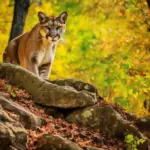
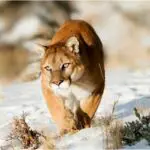
Wild cats roam across every continent except Antarctica, and for hikers willing to venture into their territories, these magnificent predators offer some of nature’s most thrilling wildlife encounters. From the elusive mountain lions of North America to the spotted leopards of Asia, knowing when, where, and how to spot these apex predators can transform your hiking experience from ordinary to extraordinary.
This comprehensive guide covers everything you need to know about spotting wild cats safely during your 2025 hiking adventures, including prime locations, seasonal timing, safety protocols, and essential gear recommendations.
Understanding Wild Cat Behavior and Habitats
Successfully spotting wild cats requires understanding their behavioral patterns and preferred habitats. Most wild cats are crepuscular (active during dawn and dusk) or nocturnal, making early morning and late evening hikes your best opportunities for sightings.
Key Behavioral Patterns
Territorial marking: Look for scratch marks on trees, scat deposits, and scent marking areas
Hunting corridors: Wild cats often use the same routes repeatedly, creating worn paths
Water dependency: Most species require regular water access, making creek beds and water sources prime spotting locations
Seasonal movements: Many wild cats follow prey migrations and adjust territories based on food availability
Preferred Habitat Types
Different wild cat species prefer specific habitat types:
Rocky terrain: Mountain lions, bobcats, and lynx favor areas with caves and rock outcroppings
Dense forests: Provide cover for stalking prey and raising young
Edge habitats: Boundaries between forest and grassland offer diverse hunting opportunities
Riparian zones: Creek beds and river valleys concentrate both prey and predator activity
North American Wild Cat Spotting Locations
North America hosts four primary wild cat species, each with distinct ranges and preferred habitats.
Mountain Lion (Cougar/Puma) Territories
Best Locations:
Rocky Mountain National Park, Colorado: Dawn and dusk sightings common along Deer Mountain Trail
Big Bend National Park, Texas: Santa Elena Canyon and Lost Mine Trail offer excellent opportunities
Olympic National Park, Washington: Sol Duc and Hoh River trails during winter months
Yellowstone National Park: Lamar Valley and Mount Washburn area
Peak Activity Times: October through March when deer congregate at lower elevations
Bobcat Habitats
More widespread than mountain lions, bobcats adapt to diverse environments:
Appalachian Trail sections: Pennsylvania and Virginia segments during early morning
Desert Southwest: Saguaro National Park and Joshua Tree during cooler months
Pacific Northwest: Cascade Range foothills and coastal forests
Great Lakes region: Mixed hardwood forests with dense understory
Canada Lynx Range
Limited to northern regions with deep snow:
Glacier National Park, Montana: Going-to-the-Sun Road corridor
North Cascades, Washington: High-elevation trails above 4,000 feet
Northern Maine: Baxter State Park and surrounding wilderness
Alaska: Denali National Park backcountry areas
[Table: North American Wild Cat Identification Chart showing size, markings, tail characteristics, and track patterns]
European and Asian Wild Cat Regions
Europe and Asia host the greatest diversity of wild cat species, from the massive Amur leopard to the diminutive sand cat.
European Lynx Locations
After successful reintroduction programs, European lynx populations are recovering:
Swiss Alps: Engadin Valley and Bernese Oberland regions
Carpathian Mountains: Romania’s Piatra Craiului National Park
Scandinavian Peninsula: Swedish and Norwegian boreal forests
Bavarian Forest, Germany: Cross-border national park with Czech Republic
Asian Big Cat Territories
Snow Leopard Range:
Ladakh, India: Hemis National Park during winter months
Nepal Himalayas: Sagarmatha and Langtang regions above 3,000 meters
Kyrgyzstan: Tien Shan mountains and Ala-Archa National Park
Mongolia: Altai Mountains along the Chinese border
Leopard Habitats:
Sri Lankan highlands: Horton Plains and surrounding montane forests
Western Ghats, India: Nilgiri Biosphere Reserve
Caucasus Mountains: Georgia’s Borjomi-Kharagauli National Park
African Wild Cat Spotting Destinations
Africa offers unparalleled wild cat diversity, from the iconic African lion to lesser-known species like the black-footed cat.
Big Cat Safari Hiking Areas
East African Locations:
Serengeti National Park, Tanzania: Walking safaris in the Lobo area
Masai Mara, Kenya: Guided bush walks during migration season
Ngorongoro Conservation Area: Crater rim hiking with wildlife viewing
Southern African Regions:
Kruger National Park, South Africa: Wilderness trails in private concessions
Hwange National Park, Zimbabwe: Guided walking expeditions
Smaller African Cat Species
Caracal: Kalahari Desert regions and South African karoo
Serval: East African grasslands and wetland edges
African Golden Cat: Central African rainforest canopy bridges
Sand Cat: Saharan desert oases and rocky outcrops
Essential Gear for Wild Cat Spotting
Success in wild cat spotting depends heavily on having the right equipment for observation, documentation, and safety.
Optical Equipment
Binoculars: Choose 8×42 or 10×42 models for optimal magnification and low-light performance. The Zeiss Conquest HD series offers exceptional clarity for wildlife observation.
Spotting Scopes: For long-distance observation, a compact spotting scope like the Vortex Razor HD 11-33×50 provides excellent magnification while remaining packable.
Photography and Documentation
Trail Cameras: Reconyx HyperFire and Bushnell Trophy Cam models for remote monitoring
Telephoto Lenses: 400mm minimum focal length for safe distance photography
Night Vision Devices: Generation 2+ monoculars for nocturnal observation
Field Notebook: Waterproof Rite in the Rain notebooks for track documentation
Safety and Navigation Gear
GPS Devices: Garmin eTrex or inReach series with satellite communication
Bear Spray: Counter Assault or Frontiersman brands (effective against most wild cats)
Emergency Beacons: ACR ResQLink for remote area emergencies
Noise Makers: Air horns and bear bells for deterrent purposes
Safety Protocols and Best Practices
Wild cat encounters require specific safety protocols to ensure both human and animal welfare.
Pre-Hike Preparation
Research recent activity: Check local wildlife reports and ranger stations
Inform others: Share detailed itinerary with emergency contacts
Weather conditions: Clear weather improves visibility and track preservation
Group size: 2-4 people optimal for safety while minimizing disturbance
During Encounters
If you spot a wild cat:
Stop movement immediately and assess the situation
Maintain eye contact while slowly backing away
Make yourself appear large by raising arms or jacket
Speak calmly and firmly – avoid sudden movements
Never turn your back or run from the animal
Document carefully only if the cat appears relaxed
Emergency Response:
Deploy bear spray if the cat approaches within 30 feet
Use noise makers to discourage approach
Fight back if attacked – wild cats can be deterred unlike bears
Report all encounters to local wildlife authorities
Juvenile dispersal creates new territory establishment
Comfortable temperatures extend active periods
Falling leaves improve ground visibility
Weather Impact on Behavior
Wild cats adjust their activity patterns based on weather conditions:
Rain: Increases scent marking and track preservation
Wind: Reduces cats’ hunting effectiveness, may increase daylight activity
Snow: Excellent for track documentation but limits prey availability
Extreme temperatures: Force activity shifts to more moderate time periods
Track Identification and Sign Reading
Learning to read wild cat sign transforms every hike into a detective adventure, revealing the hidden lives of these elusive predators.
Track Characteristics by Species
Mountain Lion Tracks:
Size: 3.5-4.5 inches long and wide
Shape: Asymmetrical with three-lobed heel pad
Claws: Rarely visible (retractable)
Gait: 18-24 inch stride length
Bobcat Tracks:
Size: 2-3 inches diameter
Shape: Round with small heel pad
Toes: Four toes with distinct separation
Gait: 8-16 inch stride in direct register pattern
Other Wild Cat Sign
Scat Analysis:
Location: Often placed prominently on rocks or logs
Contents: Hair, bones, and prey remains indicate diet
Size: Varies dramatically between species
Age: Fresh scat appears dark and moist
Scratch Marks:
Tree scratching: Vertical marks 6-10 feet high indicate mountain lions
Log scratching: Lower marks suggest smaller species
Spacing: Claw mark spacing correlates with paw size
Freshness: Recent marks show bright wood underneath bark
Technology and Apps for Wild Cat Tracking
Modern technology enhances traditional tracking skills with real-time data and community reporting systems.
Essential Smartphone Apps
iNaturalist: Upload photos and get species identification help from experts worldwide. The community aspect provides real-time local sighting data.
Animal Tracks: Comprehensive field guide with measurement tools and track comparison features.
eBird: While bird-focused, often includes mammal sightings and provides habitat data useful for wild cat prediction.
Gaia GPS: Offline mapping with custom waypoint marking for sign locations and den sites.
Camera Trap Technology
Modern trail cameras have revolutionized wild cat monitoring:
Cellular cameras: Immediate notification of activity
Low-glow IR flash: Minimizes disturbance while capturing clear images
Weather resistance: IP66 rating for harsh mountain conditions
Battery life: 6-12 month deployment capability
Conservation and Ethical Considerations
Responsible wild cat spotting requires understanding our impact on these threatened species and their habitats.
Leave No Trace Principles
Maintain distance: Never approach closer than 50 yards
Avoid den sites: Stay away from areas with young cats
Minimize noise: Excessive sound disrupts hunting and territorial behavior
Pack out trail cameras: Remove all equipment when finished
Contributing to Conservation
Hikers can contribute valuable data to conservation efforts:
Citizen science projects: Report sightings to wildlife agencies
Photo documentation: Images help researchers identify individuals
Habitat assessment: Note environmental conditions during sightings
Educational outreach: Share experiences to promote conservation awareness
Organizations like Panthera and the Mountain Lion Foundation rely on public sighting reports to monitor population trends and habitat usage.
Frequently Asked Questions
What time of day are wild cats most active?
Most wild cats are crepuscular, meaning they’re most active during dawn (5:00-8:00 AM) and dusk (6:00-9:00 PM). However, activity patterns vary by species, season, and prey availability. Mountain lions may hunt during daylight in winter, while smaller cats like bobcats often maintain more predictable dawn/dusk schedules.
How close is too close when spotting wild cats?
Maintain a minimum distance of 50 yards (150 feet) from any wild cat. Use binoculars or telephoto lenses for observation. If a cat notices you and changes its behavior, you’re too close and should slowly back away while facing the animal.
Are wild cats dangerous to hikers?
Wild cat attacks on humans are extremely rare. Most species actively avoid human contact. However, mountain lions pose the greatest potential threat, particularly in areas where they’ve lost fear of humans. Proper precautions and understanding of cat behavior virtually eliminate risk.
What should I do if I encounter a wild cat with cubs?
Female cats with young are more defensive and unpredictable. If you encounter a family group, back away immediately while making yourself appear large and speaking firmly. Never get between a mother and her cubs, and report the location to wildlife authorities.
Can I attract wild cats for better viewing opportunities?
Never use calls, scents, or bait to attract wild cats. This practice is dangerous, illegal in most areas, and disrupts natural behavior patterns. Success comes from understanding natural movement patterns and positioning yourself along established routes.
What’s the best way to document wild cat encounters?
Use telephoto lenses (400mm minimum) to maintain safe distances while photographing. Document tracks, scat, and scratch marks when direct observation isn’t possible. Record GPS coordinates, time, weather conditions, and behavioral observations for scientific value.
How can I tell the difference between domestic and wild cat tracks?
Wild cat tracks are generally larger, show more asymmetry, and appear in natural settings away from human habitation. Domestic cat tracks often show claw marks (non-retractable wear), while wild cat tracks rarely show claws. Stride length and gait patterns also differ significantly.
What permits or permissions do I need for wild cat spotting?
Most wild cat spotting occurs on public lands requiring only standard park entry fees. However, some areas require special permits for backcountry camping or off-trail access. International destinations may require wildlife viewing permits or mandatory guides. Always check current regulations before your trip.
Planning Your Wild Cat Spotting Adventure
Transform your 2025 hiking season into an extraordinary wildlife adventure by incorporating these wild cat spotting techniques into your outdoor pursuits. Start with local species in familiar terrain to build skills before venturing into more remote territories.
Remember that successful wild cat spotting requires patience, preparation, and respect for these magnificent predators. Every track you find, every fleeting glimpse you catch, and every sign you interpret contributes to a deeper understanding of the wild spaces we’re privileged to explore.
Whether you’re tracking mountain lions through Colorado’s Rockies, searching for lynx in the Canadian wilderness, or hoping to glimpse a leopard in the Himalayas, the skills and knowledge in this guide will enhance your chances of these once-in-a-lifetime encounters while ensuring both your safety and the continued well-being of these apex predators.
Ready to start your wild cat spotting journey? Begin by researching the species native to your region, invest in quality optics, and start developing your tracking skills on familiar trails. The wild cats are out there – now you have the knowledge to find them.
Hi, my name is Joe Edwards and I am fascinated by the world of big cats. It all started when my family and I visited a safari park when I was six years old. I begged my parents to get me a stuffed lion as a memento, and later a book about big cats for Christmas.
Now, over 20 years later, I still can’t get enough of them!