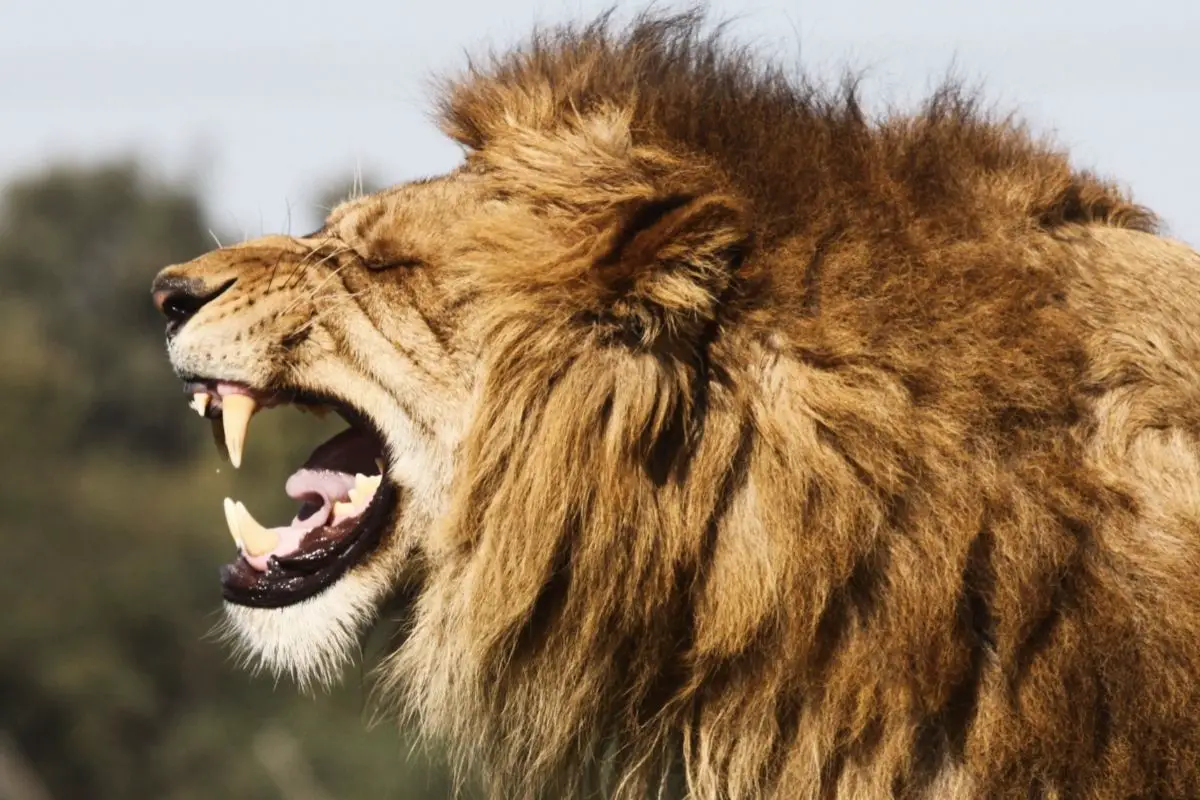
Picture this: you’re watching a nature documentary, and suddenly a massive lion charges toward a graceful antelope across the African savannah. Your heart races as you wonder – will the antelope escape, or will it become the lion’s next meal? While most people assume the answer is obvious, the relationship between lions and antelope is far more complex and surprising than you might think.
The simple answer is yes, lions do eat antelope – but here’s what might surprise you: antelope species actually make up 65-70% of a lion’s diet in most regions, making them the primary food source rather than just an occasional snack. However, the hunting dynamics, seasonal variations, and evolutionary adaptations involved tell a fascinating story that goes far beyond a simple predator-prey relationship.
Let’s dive deep into the surprising world of lions and antelope, exploring the facts that will change how you view these iconic African animals forever.
The Surprising Truth About Lion Diet Composition
When most people think about what lions eat, they picture dramatic scenes of massive buffalo takedowns or zebra hunts. While these certainly happen, recent research from the African Wildlife Foundation reveals some eye-opening statistics about lion dietary preferences.
Here’s the breakdown of what lions actually eat:
Wildebeest: 28% of diet (technically an antelope species!)
Zebra: 18% of diet
Impala: 12% of diet
Gazelle: 7% of diet
Other antelope species: 15-20% of diet
Buffalo and other large game: 15-20% of diet
The first surprise? Wildebeest are actually antelope – they’re the largest members of the antelope family, which means antelope species dominate lion diets even more than most people realize. This challenges the common misconception that lions primarily hunt massive, dangerous prey like buffalo and elephants.
Lions require 11-15 pounds of meat daily, and with pride sizes averaging 10-15 members, they need efficient hunting strategies. Antelope provide the perfect balance of substantial meat portions and manageable risk – though as we’ll see, “manageable” doesn’t mean “easy.”
Why Lions Choose Antelope: The Strategic Advantages
You might wonder why lions focus so heavily on antelope when the African savannah offers dozens of other prey options. The answer lies in evolutionary strategy and pure practicality.
Size and Energy Return
Unlike smaller predators such as those discussed in our guide on what mountain lions eat, African lions hunt in groups and need substantial prey. Most antelope species provide 200-600 pounds of meat – enough to feed an entire pride for 2-3 days.
Compare this to smaller prey like warthogs (150 pounds) or larger, more dangerous prey like adult buffalo (1,500+ pounds but with significant injury risk), and antelope hit the sweet spot for effort-to-reward ratio.
Behavioral Predictability
Antelope are grazers with predictable movement patterns. They must visit water sources daily and follow seasonal migration routes, making them easier for lions to ambush compared to more erratic prey species.
However, here’s where it gets interesting: antelope have evolved remarkable counter-strategies that make them far from “easy targets.”
The Evolutionary Arms Race: How Antelope Fight Back
This is where the story becomes truly surprising. Antelope aren’t just passive victims – they’ve developed sophisticated survival strategies that have turned hunting them into one of nature’s most challenging games of chess.
Speed and Agility Advantages
Most antelope species can reach speeds of 40-50 mph, with some gazelles hitting 60 mph in short bursts. More importantly, they can maintain these speeds longer than lions and execute sharp directional changes that often leave pursuing lions in the dust.
Thompson’s gazelles, for example, have a unique “pronking” behavior where they bounce with all four feet off the ground simultaneously. This isn’t just showing off – it signals to lions that they’re healthy, alert, and likely to outrun any pursuit attempt.
Herd Dynamics and Early Warning Systems
Antelope have perfected the art of collective security. Large herds provide multiple sets of eyes and ears, creating an early warning network that can detect approaching lions from over a mile away.
The surprising part? Some antelope species have learned to associate with other animals for mutual protection. Impala often graze alongside zebras, whose excellent night vision complements the impalas’ superior hearing. This cross-species collaboration has reduced successful lion hunts by an estimated 15-20% in mixed herds.
Fighting Back: When Flight Isn’t an Option
Perhaps the most surprising aspect of antelope behavior is their fighting capability. While most people picture antelope as purely flight-oriented prey, many species possess formidable defensive weapons.
Sable antelope have curved horns that can reach 40 inches long and are known to fatally injure lions during encounters. Oryx antelope have straight, spear-like horns that they wield with surgical precision – there are documented cases of oryx killing lions in single combat.
Regional Variations: The Answer Changes by Location
Here’s another surprising twist: the relationship between lions and antelope varies dramatically based on geography and environmental conditions. What’s true in the Serengeti might not apply to the Kalahari Desert or coastal regions.
Desert Adaptations
Desert lions, found in places like Namibia, consume 40% fewer antelope than their savannah cousins. Instead, they’ve adapted to hunt seals along coastal areas and focus on smaller, more abundant prey like ostriches and even porcupines.
This adaptation showcases the incredible flexibility of lion hunting behavior – they’re not rigidly programmed antelope hunters but opportunistic predators that adapt to available resources.
Seasonal Hunting Patterns
During dry seasons, antelope consumption drops to just 45% of lion diets. Why? Water sources become scarce, concentrating all animals around remaining waterholes. This creates opportunities for lions to ambush a wider variety of prey species that they might otherwise avoid.
According to research from Panthera, lions show remarkable seasonal dietary flexibility, switching between antelope-focused hunting during abundant times and more diverse prey selection during resource-scarce periods.
The Shocking Success (and Failure) Rates
If you think lions are unstoppable killing machines, prepare for another surprise. Lion hunting success rates are remarkably low:
Group hunts: 25-30% success rate
Solo hunts: 15-20% success rate
Antelope-specific hunts: 22% average success rate
This means that for every successful antelope hunt, lions fail 3-4 times on average. Compare this to the success rates discussed in our article about whether lions eat hyenas, and you’ll see that antelope hunting is actually one of the more challenging aspects of lion predation.
High energy payoff: One successful hunt feeds the pride for days
Learned behavior: Cubs learn antelope hunting techniques from birth
Seasonal abundance: During migrations, success rates can jump to 40-50%
Low injury risk: Even failed hunts rarely result in serious lion injuries
Conservation Implications: A Delicate Balance
The relationship between lions and antelope extends far beyond individual hunting encounters – it’s a cornerstone of African ecosystem health. Recent conservation data reveals some concerning trends that affect this ancient relationship.
Lion populations have declined by 43% since 1993, with current estimates placing wild lion numbers at just 20,000-25,000 individuals. Simultaneously, antelope populations face pressure from habitat loss, with availability declining by 30% annually in some regions.
The Ripple Effect
When antelope populations decline, lions don’t simply disappear – they adapt by:
Increasing conflict with humans by targeting livestock
Shifting to smaller, less nutritious prey
Expanding territories, leading to increased lion-lion conflict
Conservation organizations like the African Wildlife Foundation emphasize that protecting antelope populations is crucial for lion conservation – you can’t save one without the other.
Captivity vs. Wild: A Different Story Entirely
In captivity, the lion-antelope relationship transforms completely. Zoos and wildlife sanctuaries face unique challenges in replicating natural dietary patterns while maintaining ethical standards.
Captive lions are typically fed:
Commercially prepared big cat food (balanced nutrition)
Beef and horse meat from ethical sources
Whole prey items like rabbits or chickens (for enrichment)
Specialized supplements to replace nutrients found in wild prey
Interestingly, some progressive zoos use “puzzle feeders” and hunting simulations to replicate the challenge of antelope hunting, maintaining the lions’ natural behaviors without live prey.
Myths Busted: What Most People Get Wrong
Let’s address some common misconceptions about lions and antelope:
Myth 1: “Lions are lazy hunters who prefer easy targets.” Reality: Lions expend tremendous energy hunting antelope and often hunt the most challenging prey available.
Myth 2: “All antelope are helpless against lions.” Reality: Many antelope species successfully fight off and even kill attacking lions.
Myth 3: “Lions hunt alone like other big cats.” Reality: Coordinated pride hunting is essential for taking down larger antelope species – this differs significantly from solitary hunters discussed in our comparison of tigers vs. lions.
Myth 4: “Lion-antelope relationships are simple predator-prey dynamics.” Reality: The relationship involves complex behavioral adaptations, seasonal variations, and ecosystem-wide implications.
The Future of Lions and Antelope
Climate change and human encroachment are reshaping the ancient relationship between lions and antelope. Recent studies show that traditional migration patterns are shifting, forcing both predators and prey to adapt to new realities.
Lions are developing new hunting strategies, including:
Coordinating with other predator species for larger takedowns
Adapting to urban edge environments where antelope seek refuge
Modifying hunting times to avoid human activity
Developing new communication methods for coordinated hunts in altered landscapes
Conclusion: Nature’s Most Surprising Partnership
The answer to “Do lions eat antelope?” is far more complex and fascinating than a simple yes or no. While antelope make up the majority of lion diets, they’re not passive victims but active participants in one of nature’s most sophisticated evolutionary arms races.
From the surprising defensive capabilities of sable antelope to the regional variations in desert lion behavior, this relationship showcases nature’s incredible adaptability and complexity. The low success rates, seasonal variations, and conservation implications reveal that every hunt is a high-stakes game of survival strategy.
Key takeaways that might surprise you:
Antelope comprise 65-70% of lion diets, not just an occasional meal
Many antelope species can successfully fight off and even kill lions
Lion hunting success rates are surprisingly low at just 22% for antelope
Desert lions consume 40% fewer antelope, adapting to local prey availability
Conservation of both species is intrinsically linked – you can’t save one without the other
Understanding this relationship helps us appreciate the delicate balance of African ecosystems and the urgent need for conservation efforts that protect both predators and prey. The next time you watch a nature documentary showing lions hunting antelope, you’ll see it through new eyes – recognizing the complex strategies, evolutionary adaptations, and surprising outcomes that make this one of nature’s most captivating relationships.
Whether you’re a student researching African wildlife, a nature enthusiast planning a safari, or simply someone curious about the natural world, remember that the story of lions and antelope is still being written across the savannahs of Africa – and it’s far more surprising than most people ever imagine.
Hi, my name is Joe Edwards and I am fascinated by the world of big cats. It all started when my family and I visited a safari park when I was six years old. I begged my parents to get me a stuffed lion as a memento, and later a book about big cats for Christmas.
Now, over 20 years later, I still can’t get enough of them!