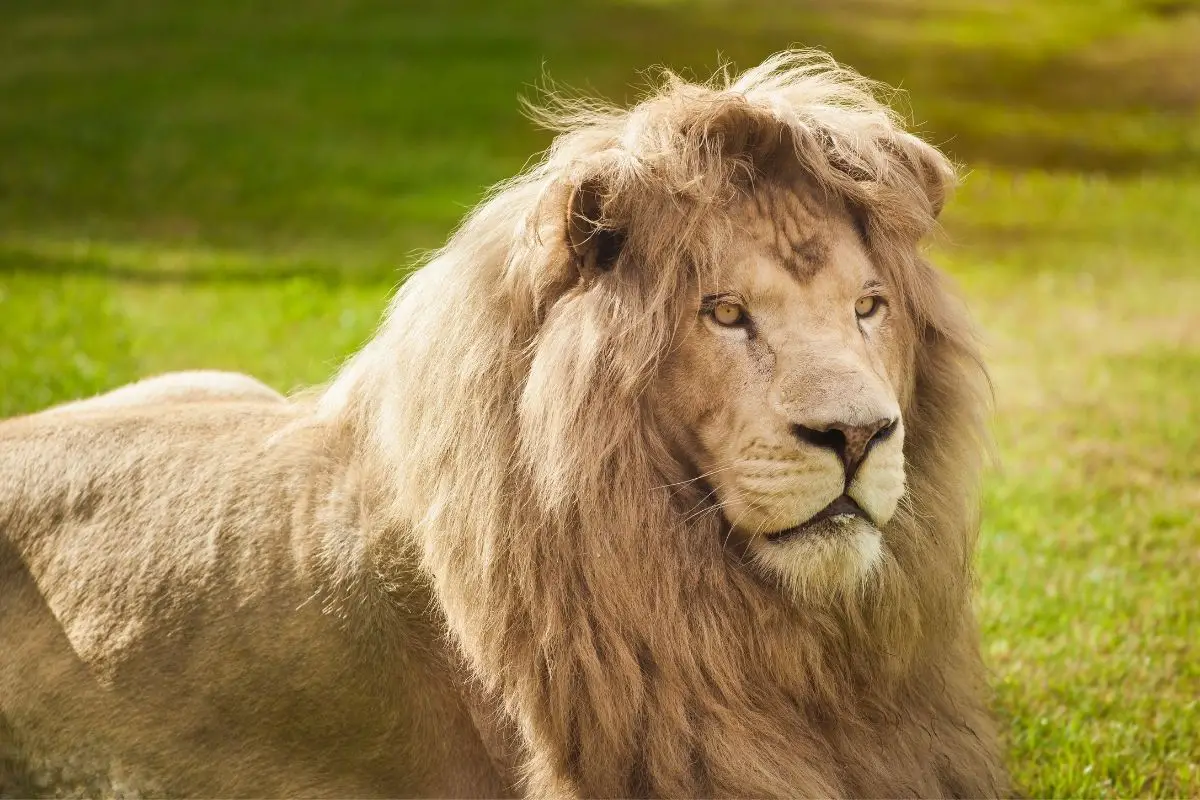
Ever wondered how much lions cost and if you can even buy them legally? While lions are magnificent apex predators that command respect in the wild, the reality of private ownership is far more complex than most people imagine. The answer involves significant legal hurdles, eye-watering costs, and serious ethical considerations that every potential buyer must understand.
In this comprehensive guide, we’ll explore the current market prices, legal requirements, and hidden costs of lion ownership, plus whether it’s even possible in 2024.
Can You Legally Buy a Lion? The Current Legal Landscape
The legal status of lion ownership has changed dramatically in recent years. The Big Cat Public Safety Act, passed in the United States in 2022, fundamentally altered the landscape of private big cat ownership. This federal legislation now prohibits new private ownership of lions and other big cats, though it grandfathered existing owners who met specific requirements.
Where Lion Ownership Is Still Possible
As of 2024, only a handful of locations still permit private lion ownership:
United States: Approximately 4 states allow private ownership with proper permits (this number continues to shrink)
Some international jurisdictions: Countries like South Africa permit ownership with extensive licensing
Grandfathered owners: Existing U.S. owners who qualified under the 2022 legislation
The licensing requirements are extensive and expensive. You’ll typically need:
USDA Class C exhibition license
State exotic animal permits
Local zoning approvals
$1 million+ liability insurance coverage
Annual inspections and permit renewals ($1,000-$5,000 annually)
International Regulations
Cross-border lion sales are governed by CITES (Convention on International Trade in Endangered Species), which strictly regulates international trade. Even where legal domestically, importing or exporting lions requires extensive documentation and permits.
How Much Do Lions Actually Cost? Breaking Down the Real Numbers
When people ask “how much are lions”, they’re often shocked by the answer. The purchase price is just the tip of the iceberg.
Current Market Prices (2024)
Based on exotic animal dealer listings and auction records:
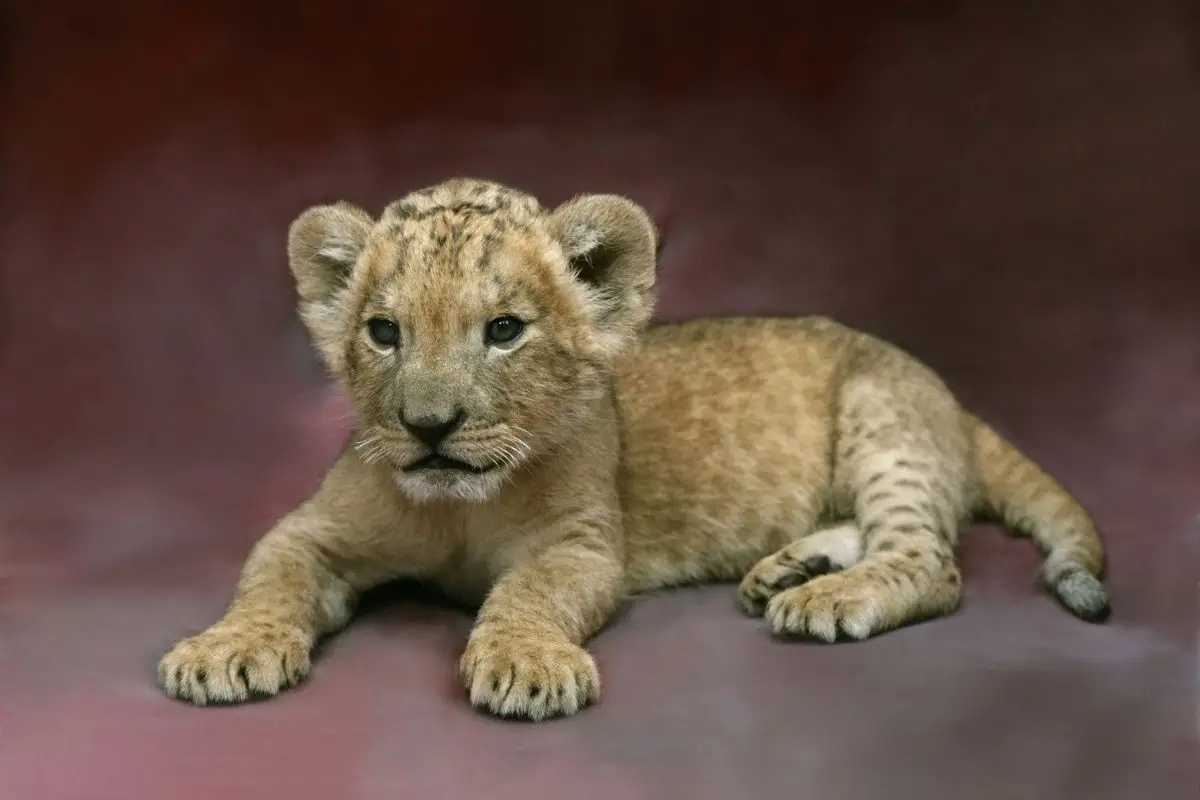
Lion cubs: $1,500 – $15,000 (depending on lineage and location)
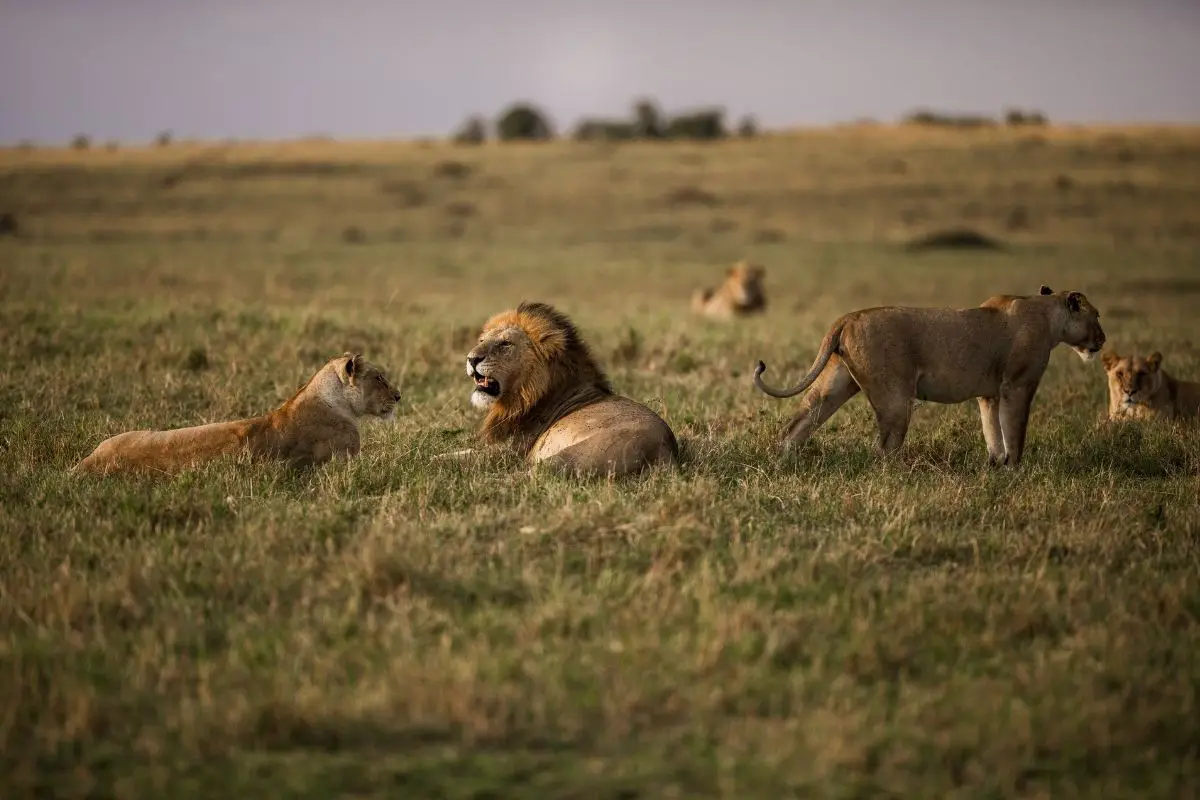
Adult lions: $5,000 – $50,000+
White lions (rare genetic variant): $140,000+
Breeding pairs: Premium pricing, often double individual costs
The wide price range depends on several factors:
Age and health status
Genetic lineage and rarity
Breeder reputation and location
Current market demand and legal restrictions
The Hidden Costs: What They Don’t Tell You
The purchase price represents less than 10% of your total investment. Here’s what lion ownership actually costs:
Initial Setup Costs
Proper enclosures and fencing: $50,000-$200,000
Shelter construction: $20,000-$50,000
Security systems: $5,000-$15,000
Initial veterinary examination: $1,000-$3,000
Annual Operating Costs
Food expenses: $4,800-$9,600 per year (400-800 lbs of meat monthly)
Veterinary care: $3,000-$10,000+ annually
Insurance premiums: $2,000-$15,000 per year
Permits and inspections: $1,000-$5,000 annually
Staff/caretaker costs: $20,000-$60,000+ if you hire help
Total annual costs typically range from $15,000 to $60,000 per lion, not including the initial setup investment.
Where Do People Buy Lions? The Exotic Animal Market
The exotic animal market has evolved significantly, though options remain limited due to legal restrictions.
Current Sources
Licensed exotic animal dealers: Heavily regulated and monitored
Exotic animal auctions: Rare but still occur in some states
Private breeders: Must maintain proper federal and state licensing
International sources: Require extensive CITES documentation
Reputable dealers will always request proof of proper licensing before discussing sales. Be extremely wary of anyone willing to sell without verifying your permits – this is often a sign of illegal activity.
What About Renting Lions?
Some people consider renting lions for events or films. Licensed animal handling companies charge $100-$1,000 per hour, plus transportation, insurance, and handler fees. This option requires proper permits and is typically only available for legitimate commercial purposes.
The Reality of Lion Ownership: Safety and Ethical Concerns
Before considering whether you can even buy lions, it’s crucial to understand the serious implications.
Safety Statistics
According to Big Cat Rescue, captive big cats were responsible for:
24 human fatalities between 1990-2021
294 injuries during the same period
An average of 2-3 escape incidents annually in the U.S.
Even hand-raised lions retain their predatory instincts and immense physical power. Adult male lions can weigh 420+ pounds and possess bite forces exceeding 650 PSI.
Conservation Impact
With only 23,000-39,000 wild lions remaining globally, the species faces significant conservation challenges. Most wildlife experts argue that private ownership diverts resources from legitimate conservation efforts and may contribute to illegal wildlife trafficking.
The IUCN Red List classifies lions as “Vulnerable,” with some subspecies critically endangered.
Animal Welfare Considerations
Lions are complex social animals with specific behavioral and environmental needs that are extremely difficult to meet in private settings. They require:
Large territories (wild lions roam 100+ square miles)
Complex social structures
Specialized veterinary care from big cat experts
Mental stimulation and enrichment activities
Most private facilities cannot adequately provide these requirements, leading to behavioral issues and health problems.
Legal Alternatives and Better Options
If you’re fascinated by big cats, consider these legal alternatives that don’t put you, the animals, or your community at risk:
Supporting Conservation Efforts
Adopt a lion through reputable wildlife organizations
Visit accredited sanctuaries that rescue former private pets
Volunteer with conservation groups working to protect wild populations
Donate to habitat preservation projects in Africa
Legal Exotic Pet Alternatives
Several legal exotic animals can satisfy the desire for unique pets without the extreme risks:
Servals (where legal)
Savannah cats (hybrid domestic/serval cats)
Ocelots (in some states with permits)
Large domestic cat breeds like Maine Coons
For those interested in big cat reproduction and behavior, our guide on lion sex life and reproduction provides fascinating insights into these magnificent creatures’ natural behaviors.
What About Lion Cubs? A Closer Look
Many people specifically wonder about purchasing lion cubs, thinking they might be easier to manage. While lion cub prices are generally lower than adults, they present unique challenges:
Rapid growth: Cubs gain 2-4 pounds per week
Intensive care requirements: 24/7 attention for proper development
Unpredictable development: Even hand-raised cubs develop predatory instincts
Higher veterinary costs: Young animals require more frequent checkups and vaccinations
Many former private owners are surrendering animals to accredited sanctuaries as costs and regulations increase.
Conclusion: The Bottom Line on Buying Lions
So, how much are lions, and can you even buy them? While technically possible in very limited circumstances, the reality is that lion ownership is becoming increasingly restricted, prohibitively expensive, and ethically questionable.
The total investment typically exceeds $100,000 in the first year alone, requires extensive permits and insurance, and carries significant legal, safety, and ethical risks. Most experts strongly advise against private ownership, recommending conservation support as a more meaningful way to help these magnificent animals.
If you’re genuinely interested in big cats, consider visiting accredited sanctuaries, supporting conservation efforts, or exploring legal alternatives like learning about other big cat species through educational programs.
Remember: lions belong in professional facilities or their natural habitats, not private backyards. The best way to appreciate these incredible animals is to support their conservation and protection in the wild.
Hi, my name is Joe Edwards and I am fascinated by the world of big cats. It all started when my family and I visited a safari park when I was six years old. I begged my parents to get me a stuffed lion as a memento, and later a book about big cats for Christmas.
Now, over 20 years later, I still can’t get enough of them!