When it comes to understanding how much a full grown lion weighs, most people are surprised to learn that these magnificent predators are actually smaller than many imagine. As apex predators that have captured human fascination for centuries, lions represent raw power and majesty in the animal kingdom, but their actual dimensions tell a more nuanced story.
Understanding lion size is crucial for wildlife conservation efforts, educational purposes, and satisfying the curiosity of nature enthusiasts worldwide. In this comprehensive guide, we’ll explore every aspect of lion dimensions, from weight variations across different subspecies to the factors that influence their growth patterns in 2025.
How Much Does A Full Grown Male Lion Weigh?
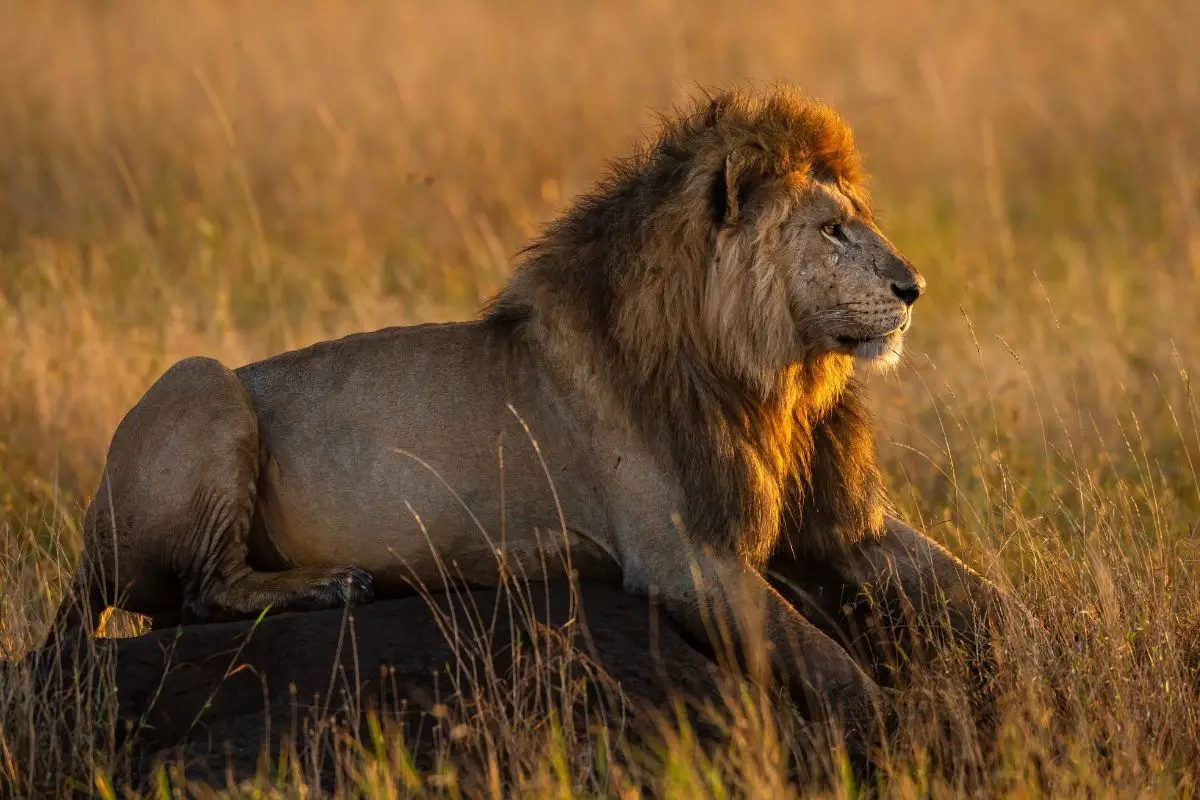
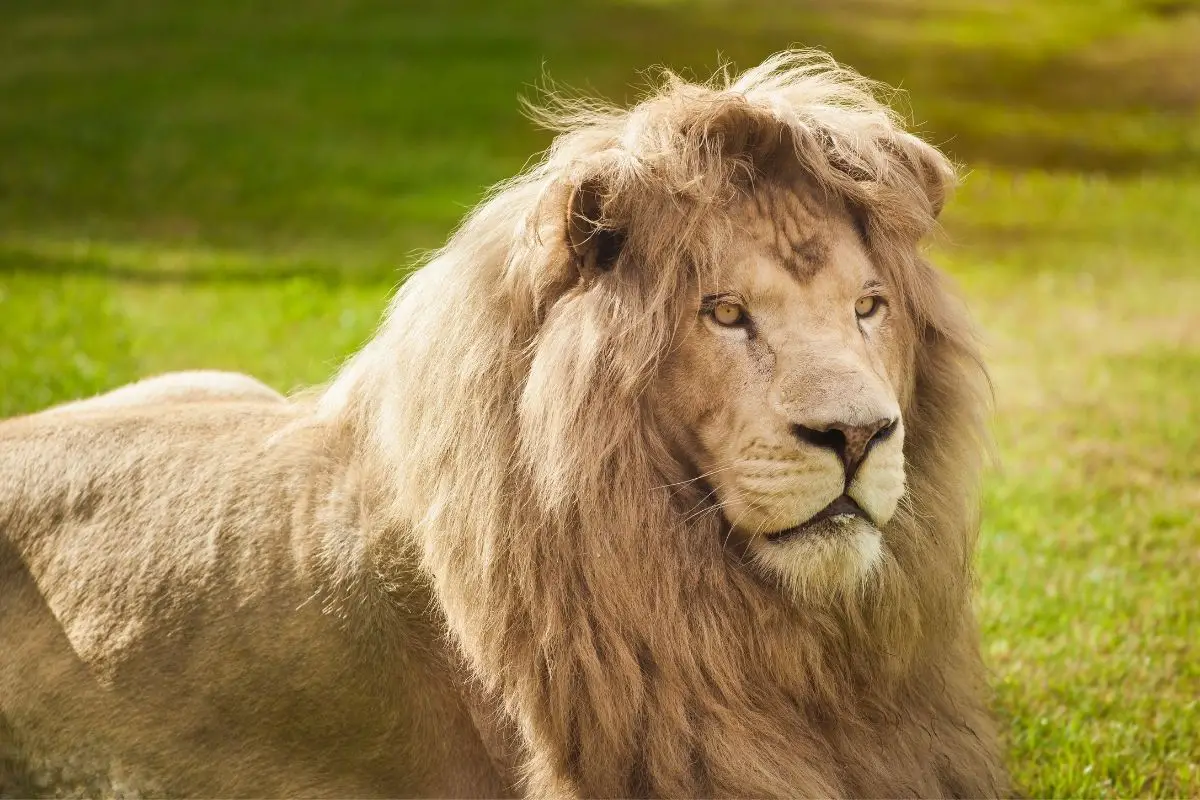
Adult male lions typically weigh between 330-550 pounds (150-250 kg), making them formidable predators in the African savanna. However, this weight range can vary significantly based on several environmental and genetic factors.
Weight Distribution by Geographic Region
Male lion weights vary considerably depending on their habitat and subspecies:
East African Lions (Serengeti region): 350-420 pounds (159-191 kg)
Southern African Lions (Kruger National Park): 380-550 pounds (172-250 kg)
West African Lions: 300-400 pounds (136-181 kg) – smaller due to habitat constraints
Asiatic Lions (India’s Gir Forest): 350-420 pounds (159-191 kg)
Factors Affecting Male Lion Weight
Several key factors determine how much a male lion weighs:
Age and Maturity: Lions reach full size between 5-6 years old
Prey Availability: Abundant food sources lead to larger, healthier lions
Territory Quality: Prime territories with reliable water sources support heavier lions
Competition Levels: High competition can limit access to food
Seasonal Variations: Lions can lose 15-20% of body weight during dry seasons
Female Lion Weight: How Much Do Lionesses Weigh?
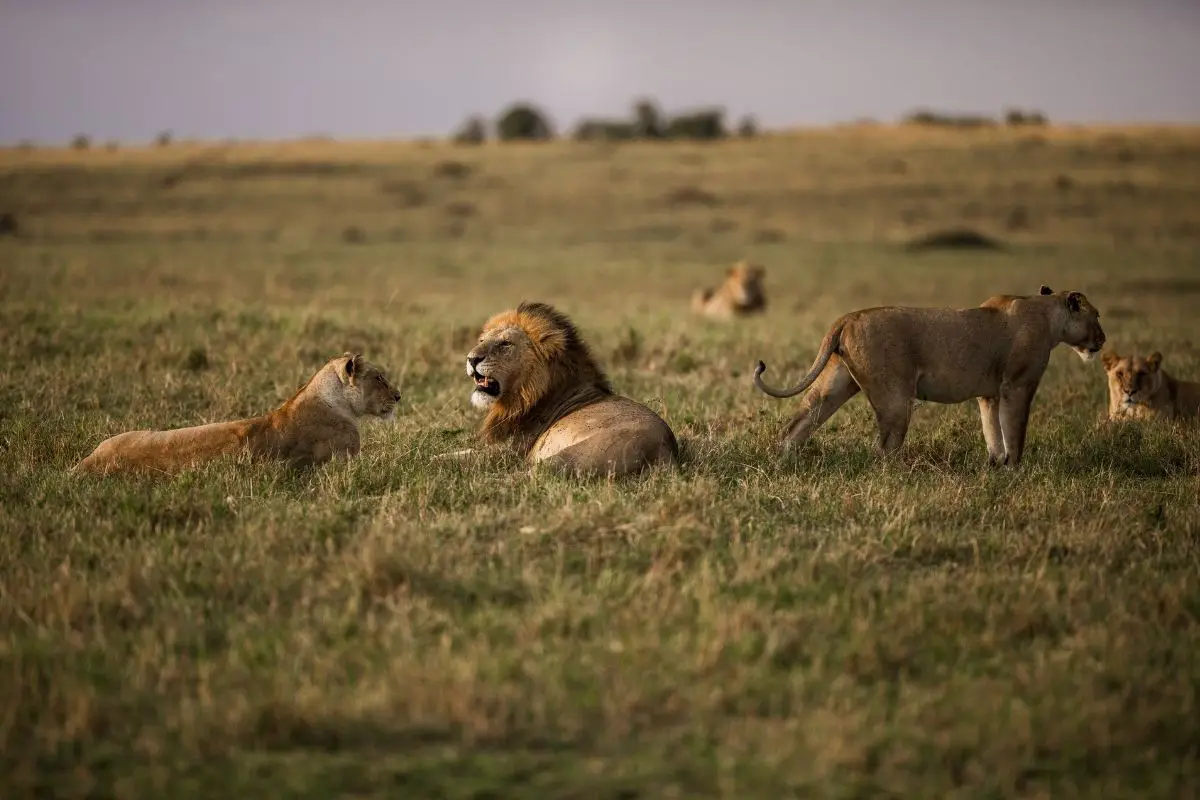
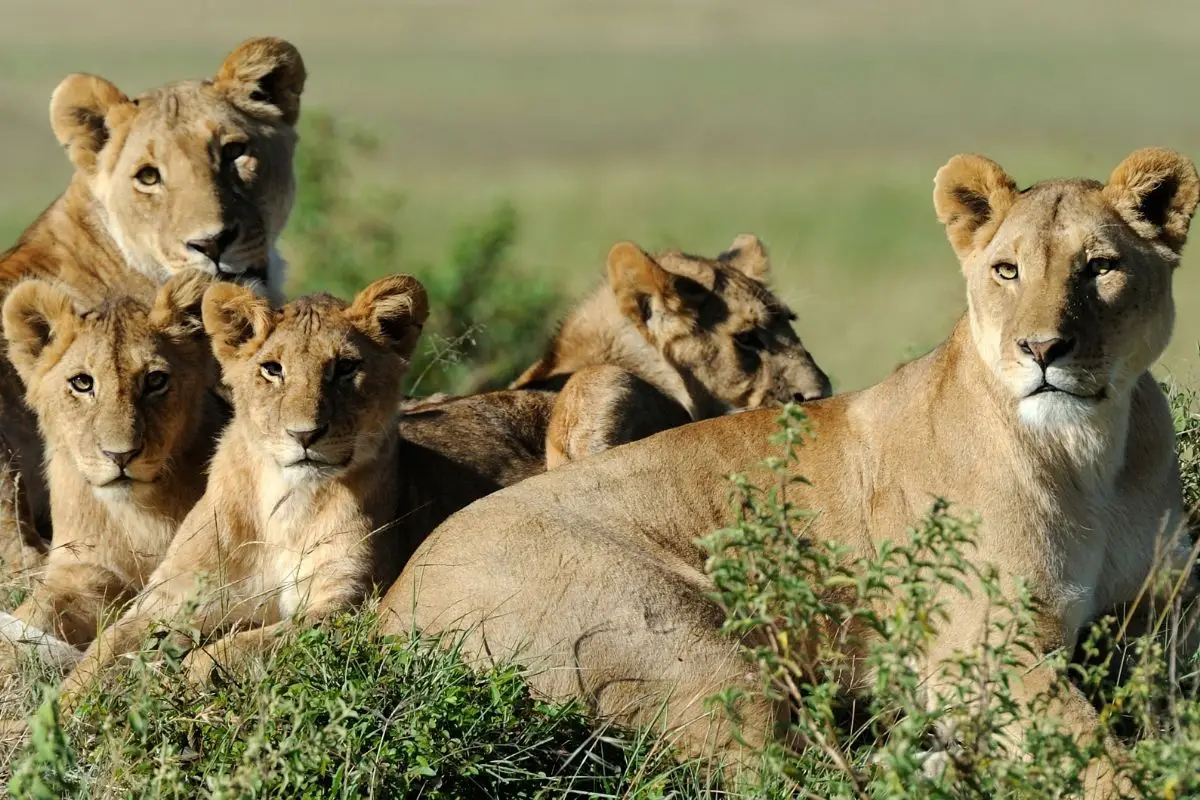
Female lions, or lionesses, are considerably smaller than their male counterparts, typically weighing 265-395 pounds (120-180 kg). This size difference serves important evolutionary purposes in lion social structure.
Why Lionesses Are Smaller
The weight difference between male and female lions isn’t just coincidental – it serves specific ecological purposes:
Hunting Efficiency: Smaller size allows for greater agility and speed during hunts
Energy Conservation: Lower body mass reduces daily caloric requirements
Maternal Care: Optimal size for nursing and protecting cubs
Group Hunting Strategy: Multiple smaller hunters can tackle larger prey more effectively
[Table: Male vs Female Lion Weight Comparison across subspecies]
How Tall Are Lions? Complete Height Analysis
Lion height measurements are typically taken at the shoulder, providing the most consistent measurement across different populations.
Male Lion Height Specifications
Adult male lions measure:
Shoulder Height: 3.5-4 feet (1-1.2 meters)
Total Length (including tail): 8-10 feet (2.4-3 meters)
Tail Length: 2-3 feet (0.6-0.9 meters)
Female Lion Height Specifications
Adult female lions measure:
Shoulder Height: 3-3.5 feet (0.9-1.1 meters)
Total Length (including tail): 7-8.5 feet (2.1-2.6 meters)
Tail Length: 2-2.5 feet (0.6-0.75 meters)
Lion Size Comparison: How Do Lions Stack Up Against Other Big Cats?
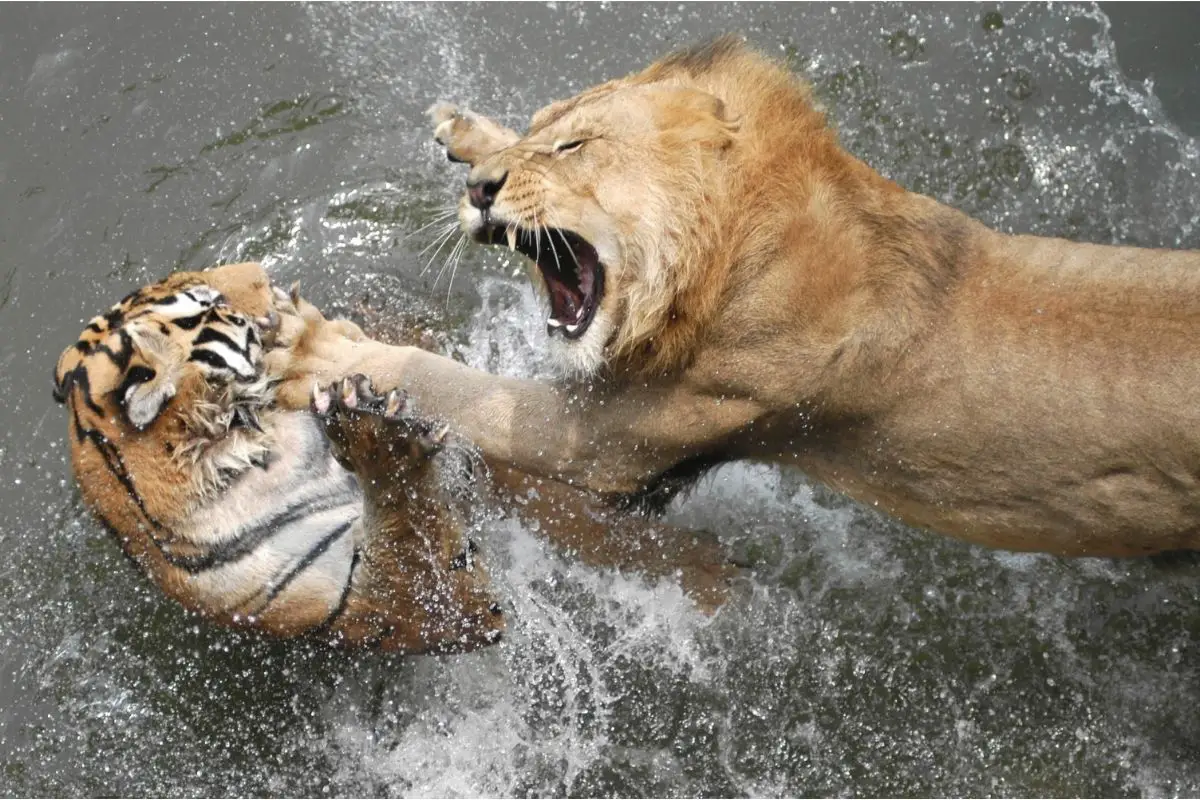
Many people wonder how lions compare to other large felines. Interestingly, lions are actually the second-largest cat species, not the largest as commonly believed.
Big Cat Size Rankings
Tiger: 400-660 pounds (largest cat species)
Lion: 265-550 pounds (second largest)
Jaguar: 120-300 pounds
Leopard: 60-200 pounds
This size comparison becomes particularly interesting when we consider our Bengal Cat vs Wild Bengal Tiger comparison, which shows the dramatic difference between domestic and wild feline species.
Lion Subspecies: Weight and Size Variations in 2025
Understanding how different lion subspecies vary in size is crucial for conservation efforts and wildlife management in 2025.
African Lion Subspecies
Panthera leo leo (Northern/West African Lion):
Males: 300-400 pounds
Females: 250-320 pounds
Status: Critically endangered with fewer than 400 individuals
Panthera leo melanochaita (Southern/East African Lion):
Males: 350-550 pounds
Females: 265-395 pounds
Status: Vulnerable with approximately 20,000 individuals
Asiatic Lions
Panthera leo persica:
Males: 350-420 pounds
Females: 240-350 pounds
Status: Endangered with about 674 individuals (2020 census)
Location: Exclusively in India’s Gir Forest National Park
For those interested in other endangered big cats, our Snow Leopard conservation guide provides insights into similar conservation challenges facing large felines worldwide.
What Influences Lion Size: Diet, Environment, and Genetics
Dietary Impact on Lion Weight
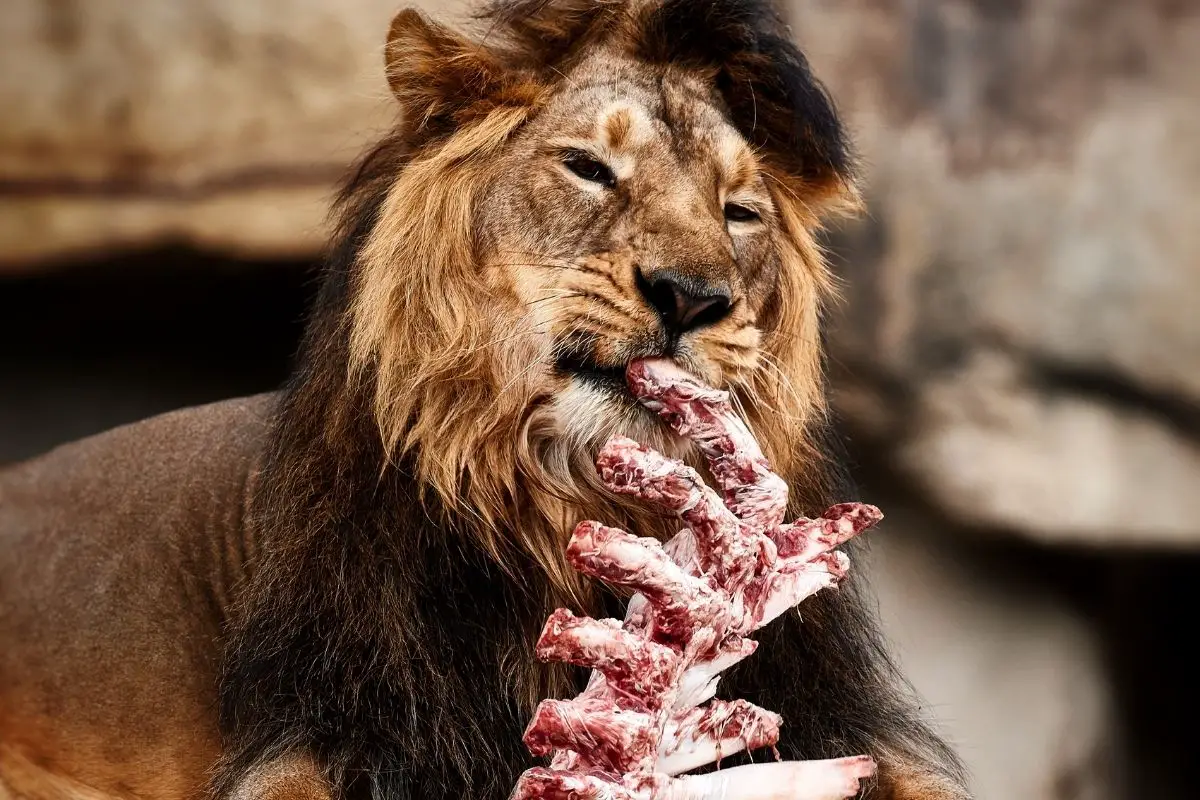
A lion’s diet directly affects its size and overall health. In optimal conditions, lions consume:
Daily Intake: 11-15 pounds (5-7 kg) of meat
After Large Kill: Up to 88 pounds (40 kg) in one feeding session
Fasting Periods: Can survive 7-14 days without food
Primary Prey Species by Region
East Africa (Serengeti):
Wildebeest (40% of diet)
Zebra (20% of diet)
Buffalo (15% of diet)
Various antelope species (25% of diet)
Southern Africa (Kruger):
Buffalo (35% of diet)
Giraffe (20% of diet)
Kudu and other antelope (30% of diet)
Smaller prey (15% of diet)
Environmental Factors Affecting Growth
Climate and habitat quality significantly impact lion development:
Water Availability: Consistent water sources support larger pride territories
Prey Density: Higher prey populations allow for larger lion populations
Human Encroachment: Habitat fragmentation reduces available territory
Disease Pressure: Parasites and diseases can significantly impact growth
Captive vs Wild Lions: Size Differences in 2025
Lions in captivity often differ significantly in size from their wild counterparts due to various factors:
Captive Lion Characteristics
Advantages of Captivity:
Consistent, high-quality nutrition
Veterinary care and parasite control
Protection from injuries and territorial disputes
Longer lifespans (15-20 years vs 10-14 years in wild)
Potential Disadvantages:
Reduced physical activity
Possible obesity from overfeeding
Lack of natural hunting behaviors
Genetic bottlenecking in some populations
Weight Comparisons: Captive vs Wild
Recent studies from 2024-2025 show:
Captive males: Average 420-480 pounds (often heavier than wild counterparts)
Captive females: Average 290-350 pounds
Wild males: Average 380-450 pounds (more variable based on conditions)
Wild females: Average 270-320 pounds
Lion Growth Stages: From Cub to Adult
Understanding how lions grow helps explain adult size variations:
Lion Development Timeline
Birth to 6 Months:
Birth weight: 2-4 pounds (1-2 kg)
Rapid growth phase
Primarily nursing
6 Months to 2 Years:
Weight: 60-150 pounds
Learning hunting skills
Mixed diet of milk and meat
2-4 Years (Subadult):
Males: 200-300 pounds
Females: 180-250 pounds
Developing adult characteristics
4-6 Years (Adult):
Reaching full size
Establishing territories (males)
Beginning reproduction
Conservation Impact on Lion Sizes
Modern conservation efforts in 2025 are revealing important connections between habitat protection and lion physical development:
Protected Area Success Stories
Lions in well-managed conservancies show:
20-30% larger average body weights
Higher reproductive success rates
Longer lifespans
Better genetic diversity
Organizations like the Panthera Foundation are documenting how protected corridors between parks allow for larger, healthier lion populations.
For wildlife enthusiasts interested in observing different wild cat species, our complete wild cat spotting guide provides valuable tips for safely encountering various feline species in their natural habitats.
Frequently Asked Questions About Lion Size
How much does the largest lion on record weigh?
The largest recorded wild lion was a male from Kenya weighing approximately 600 pounds (272 kg). However, such extreme weights are exceptional and typically occur in captive settings with optimal nutrition.
Are male lions always bigger than females?
Yes, male lions exhibit significant sexual dimorphism and are consistently 40-50% heavier than females. This size difference serves important evolutionary purposes in lion social structure and hunting strategies.
How do lion sizes compare across different African countries?
Lions in Southern Africa (Botswana, South Africa) tend to be largest, while West African lions are typically smallest. East African lions fall in the middle range, with variations based on specific park ecosystems.
Do lions continue growing throughout their lives?
Lions reach their maximum size between 5-6 years of age. After this point, weight fluctuations are primarily due to seasonal food availability, health status, and age-related changes rather than continued growth.
How does habitat fragmentation affect lion sizes?
Habitat fragmentation typically results in smaller lion populations with reduced average body sizes due to limited prey availability, increased competition, and reduced genetic diversity.
What’s the average lifespan of lions in relation to their size?
Larger, well-nourished lions typically live longer lives. Wild lions average 10-14 years, while captive lions can reach 15-20 years. Size often correlates with overall health and survival rates.
Conclusion: Understanding Lion Dimensions in the Modern World
Understanding how much a full grown lion weighs provides crucial insights into these magnificent predators’ biology, ecology, and conservation needs. With males weighing 330-550 pounds and females 265-395 pounds, lions represent a fascinating example of sexual dimorphism in large mammals.
As we move forward in 2025, continued research into lion populations reveals the critical connection between habitat quality, prey availability, and physical development. Conservation efforts that protect large, connected ecosystems consistently produce larger, healthier lion populations – a testament to the importance of comprehensive wildlife management strategies.
For those interested in learning about other wild felines, exploring topics like lynx and bobcat identification or understanding the complexities of exotic cat ownership laws can provide valuable context for appreciating the diversity within the feline family.
The future of lion conservation depends on our continued understanding of these apex predators’ needs, including the habitat requirements necessary to support their impressive physical dimensions. By protecting large, connected ecosystems, we ensure that future generations will witness lions at their full, magnificent size.
Whether you’re a wildlife enthusiast, student, or conservation advocate, understanding lion dimensions helps foster deeper appreciation for these incredible animals and supports evidence-based conservation efforts worldwide.
Hi, my name is Joe Edwards and I am fascinated by the world of big cats. It all started when my family and I visited a safari park when I was six years old. I begged my parents to get me a stuffed lion as a memento, and later a book about big cats for Christmas.
Now, over 20 years later, I still can’t get enough of them!