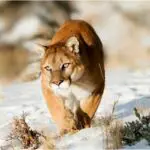
Picture this: you’re enjoying a peaceful hike through stunning wilderness when suddenly, you spot a tawny shadow moving through the trees. Your heart pounds as you realize you’re facing one of North America’s most formidable predators—a mountain lion. Knowing how to scare off a mountain lion could save your life in this critical moment.
With mountain lion encounters increasing by 15-20% since 2020 according to the National Park Service, understanding these mountain lion safety tips has never been more crucial. Whether you’re a seasoned hiker or weekend warrior, this comprehensive guide will equip you with the knowledge and techniques to stay safe in mountain lion territory.
Understanding Mountain Lion Behavior: Your First Line of Defense
Mountain lions, also known as cougars or pumas, are naturally elusive creatures that typically avoid human contact. However, habitat fragmentation and urban expansion have pushed these magnificent predators closer to residential areas, particularly in states like California, Colorado, and Utah. Mountain lions are crepuscular animals, meaning they’re most active during dawn and dusk hours.
Understanding when a mountain lion might become aggressive is crucial for your safety. These situations include:
Protecting cubs: Female mountain lions with young are extremely defensive
Surprise encounters: Startled mountain lions may react defensively
Food scarcity: Hungry lions may take greater risks
Warning signs of an aggressive mountain lion include direct eye contact, growling or hissing, crouched posture with raised hindquarters, and slowly approaching while maintaining visual contact. If you observe these behaviors, it’s time to implement proven deterrence techniques immediately.
Proven Techniques to Scare Off Mountain Lions
Research shows that 98% of mountain lion encounters end without incident when proper deterrence techniques are employed. Here are the most effective methods, ranked by success rate:
Make Yourself Appear Large and Intimidating
This technique has an 85-90% success rate. Immediately raise your arms above your head, open your jacket wide, or hold your backpack overhead. If you’re hiking with children, pick them up to make yourself appear even larger. The goal is to convince the mountain lion that you’re a formidable opponent, not easy prey.
Create Loud, Aggressive Noises
Mountain lions are startled by sudden, loud sounds. Shout in a deep, aggressive voice—avoid high-pitched screams which may trigger predatory instincts. Bang pots and pans, blow a whistle, or activate an air horn if you have one. Maintain eye contact while making noise, and speak firmly: “Get back! Go away!”
Maintain Eye Contact While Backing Away
This technique is 80-85% effective when done correctly. Never turn your back on a mountain lion or run away, as this can trigger their chase instinct. Instead, face the animal and slowly back away, giving it plenty of space to escape. Move to higher ground if possible, as elevation increases your apparent size and dominance.
Throw Objects (Not Food)
If the mountain lion doesn’t retreat, throwing rocks, sticks, or other objects can be 75-80% effective. Aim near the animal, not directly at it initially. The goal is intimidation, not injury. However, if the situation escalates to an actual attack, throw anything available directly at the lion’s face.
Bear Spray: Your Most Effective Mountain Lion Deterrent
Bear spray achieves a remarkable 92-95% effectiveness rate against mountain lions when used properly. This non-lethal deterrent creates a chemical cloud that temporarily blinds and disorients the animal, giving you precious time to escape safely.
To use bear spray effectively against mountain lions:
Carry it accessible: Attach bear spray to your belt or backpack strap for quick access
Know your range: Most bear sprays work effectively at 10-30 feet
Aim slightly downward: The spray pattern should create a barrier between you and the lion
Deploy in short bursts: 2-3 second bursts conserve spray while maintaining effectiveness
Back away immediately: Once deployed, continue moving away from the area
Not all bear sprays are created equal. Look for products with:
At least 1-2% capsaicin concentration
Minimum 25-foot spray range
Wide spray pattern (cone-shaped rather than stream)
EPA registration number
Expiration date clearly marked
Essential Safety Tips for Mountain Lion Territory
Prevention remains your best strategy for avoiding dangerous encounters. Follow these expert-recommended safety measures when hiking or camping in mountain lion habitat:
Timing and Route Planning
Avoid hiking during peak mountain lion activity hours (dawn and dusk). Plan your routes to avoid dense brush, rocky outcrops, and areas with limited visibility. Stick to established trails and avoid shortcuts through heavy vegetation where mountain lions might be resting or hunting.
Travel in Groups
Mountain lions are less likely to approach groups of people. If you must hike alone, make extra noise and consider carrying additional deterrents. When hiking with children, keep them between adults and never let them run ahead on trails.
Protect Your Pets
Free-roaming pets, especially cats and small dogs, can attract mountain lions. Keep pets on leash and close to you. If camping, secure pets inside tents or vehicles at night. For more wildlife safety information, check out our guide on what to do if a mountain lion is stalking you.
Campsite Safety
When camping in mountain lion territory:
Store all food in bear-proof containers
Keep campsites clean and odor-free
Install motion-activated lights around your campsite
Never feed wildlife, which can attract mountain lions’ prey
Sleep in tents rather than under open sky
What to Do During an Actual Mountain Lion Attack
While actual attacks are extremely rare—you have only a 1 in 370 million chance of being attacked according to Colorado Parks and Wildlife—knowing how to respond can be lifesaving.
If a mountain lion makes contact:
Fight back aggressively: Unlike with some predators, playing dead doesn’t work with mountain lions
Target the face and eyes: Use any available objects as weapons
Stay standing: Don’t allow the lion to knock you down
Protect your neck: Cover your neck and head while fighting
Make noise: Continue shouting for help
Remember, mountain lions are powerful but relatively small compared to other large predators like grizzly bears, and they typically retreat when faced with determined resistance.
After an Encounter
Following any mountain lion encounter:
Report the incident to local wildlife authorities immediately
Seek medical attention for any injuries, no matter how minor
Document the encounter with photos if safe to do so
Avoid the area for several days to allow the animal to leave
For additional safety information about other wildlife encounters, explore our comprehensive guide on bobcat behavior and safety.
Regional Considerations and Seasonal Awareness
Mountain lion encounter risks vary significantly by region and season. Understanding these patterns helps you prepare appropriately for your specific area and time of year.
High-Risk Regions
According to wildlife management data from 2023:
California: 4,000-6,000 mountain lions, highest encounter rates in coastal ranges
Colorado: 3,000-7,000 mountain lions, peak encounters in Front Range suburbs
Utah: 2,500-3,000 mountain lions, increasing encounters in Wasatch Range
Other states with significant populations include Montana, Wyoming, Idaho, Washington, Oregon, Arizona, New Mexico, and parts of Texas.
Seasonal Risk Patterns
Research from various state wildlife agencies reveals distinct seasonal patterns:
Spring (March-May): Highest risk period as young lions disperse from maternal territories
Late Fall: Increased encounters as natural prey becomes scarce
Summer: Lower risk but increased human activity in mountain lion habitat
Winter: Lowest overall risk, but lions may venture closer to human areas following prey
Stay informed about local wildlife activity by checking with state wildlife agencies and park services before your outdoor adventures.
Technology and Modern Deterrents
Modern technology offers additional tools for mountain lion safety:
Personal Safety Devices
Personal alarms: Compact devices producing 120+ decibel sounds
LED flashing lights: Can disorient and deter wildlife
Ultrasonic deterrents: Mixed effectiveness, not recommended as primary defense
GPS emergency beacons: Enable emergency responders to locate you quickly
Smartphone Apps
Several apps provide real-time wildlife activity reports and safety features:
Wildlife sighting databases
Emergency alert systems
GPS trail mapping with known wildlife activity areas
Emergency contact features
Conclusion: Confidence Through Preparation
Understanding how to scare off a mountain lion transforms you from a potential victim into a prepared outdoor enthusiast. Remember the key mountain lion deterrent tips: make yourself appear large, create loud aggressive noises, maintain eye contact while backing away, and carry bear spray as your most effective defense.
With mountain lion encounters on the rise, these skills aren’t just useful—they’re essential for anyone venturing into wild spaces. The statistics are reassuring: attacks remain extremely rare, and proper preparation makes them even rarer.
Take action today: Purchase quality bear spray, practice the techniques described in this guide, and share this knowledge with fellow outdoor enthusiasts. Your preparation today could prevent a dangerous situation tomorrow.
Hi, my name is Joe Edwards and I am fascinated by the world of big cats. It all started when my family and I visited a safari park when I was six years old. I begged my parents to get me a stuffed lion as a memento, and later a book about big cats for Christmas.
Now, over 20 years later, I still can’t get enough of them!