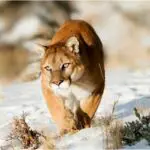
Idaho stands as one of North America’s premier destinations for mountain lion hunting, offering hunters the chance to pursue these magnificent predators across diverse terrain from rugged mountains to dense forests. With a healthy population of 2,000-3,000 mountain lions and liberal hunting regulations, Idaho provides unparalleled opportunities for both novice and experienced hunters seeking the ultimate big game challenge.
Whether you’re planning your first mountain lion hunt or looking to improve your success rate, this comprehensive guide covers everything from current regulations and prime hunting zones to proven tactics and essential gear. With harvest rates of 400+ lions annually and some of the continent’s largest cats, Idaho mountain lion hunting offers an adventure unlike any other.
Current Idaho Mountain Lion Hunting Regulations and Season Information
Understanding Idaho’s mountain lion hunting regulations is crucial for a successful and legal hunt. The Idaho Department of Fish and Game (IDFG) maintains detailed regulations that vary by hunting unit and change annually.
2024 Season Dates and Bag Limits
Mountain lion hunting seasons in Idaho typically run from December 1st through March 31st, though specific dates vary by hunting unit. This timing coincides with optimal snow conditions that make tracking significantly easier and more productive.
Bag limits range from 1-5 lions per hunter depending on the unit, with some zones offering unlimited harvest
Zone-specific quotas may close seasons early once harvest limits are reached
Mandatory reporting is required within 10 days of harvest
Evidence of sex must remain attached to the carcass during transport
Licensing Requirements and Costs
All mountain lion hunters must possess proper licensing regardless of residency status:
Resident hunters: Hunting license ($31.75) plus mountain lion tag ($31.75)
Non-resident hunters: Hunting license ($154.75) plus mountain lion tag ($301.75)
Youth licenses: Reduced rates available for hunters under 18
Tags can be purchased online through the IDFG website or at licensed vendors statewide. Non-resident hunters comprise 60-70% of mountain lion hunters, making Idaho a popular destination for out-of-state sportsmen.
Prime Mountain Lion Hunting Zones in Idaho
Success in mountain lion hunting often depends on choosing the right hunting unit. Idaho’s diverse geography provides excellent habitat throughout the state, but certain zones consistently produce higher harvest rates and trophy-quality animals.
Top-Producing Hunting Units
Units 19 and 20A (Salmon River Region): These central Idaho units offer some of the state’s best mountain lion hunting, with rugged terrain and abundant prey populations supporting healthy cat numbers. Success rates here often exceed 30% for hunters using hounds.
Units 26, 27, and 28 (McCall/Cascade Area): The Payette National Forest region provides excellent habitat and access, making it popular among both guided and self-directed hunters. Valley County consistently ranks among Idaho’s top harvest areas.
Idaho County Units: As Idaho’s largest county, this region offers vast wilderness areas with some of the state’s highest mountain lion densities. However, the remote terrain requires excellent physical conditioning and navigation skills.
Habitat and Elevation Considerations
Mountain lions in Idaho are most commonly found at elevations between 3,000-6,000 feet, where prey is abundant and terrain provides adequate cover. Prime habitat characteristics include:
Mixed coniferous forests with dense understory
Rocky outcroppings and cliff areas for denning
Creek bottoms and draws that concentrate prey movement
Areas with high deer and elk populations
Understanding where mountain lions live and their habitat preferences significantly increases your chances of success during your hunt.
Hunting Methods and Tactics for Idaho Mountain Lions
Idaho allows both hound hunting and spot-and-stalk methods, though success rates vary dramatically between these approaches. Understanding the advantages and challenges of each method helps hunters choose the best strategy for their experience level and preferences.
Hound Hunting: The Traditional Approach
Hunting with hounds remains the most effective method for mountain lion hunting, with success rates of 25-30% compared to just 5-8% for spot-and-stalk hunters. Professional outfitters typically use packs of specially trained hounds to track and tree lions.
Advantages of hound hunting:
Dramatically higher success rates
Ability to age and sex animals before harvest
Educational opportunity to observe lion behavior
Effective in various weather conditions
Considerations:
Requires excellent physical conditioning for following hounds through difficult terrain
Weather-dependent (warm temperatures can reduce scenting conditions)
Higher cost when hiring professional guides with hounds
Spot-and-Stalk Hunting Strategies
Self-directed hunters often prefer spot-and-stalk methods, which offer a more independent hunting experience while testing woodsmanship skills to the limit.
Key tactics for DIY hunters:
Focus on fresh snow conditions: New snowfall reveals recent track activity and movement patterns
Hunt during feeding times: Early morning and late evening when lions are most active
Target prey concentration areas: Water sources, winter feeding areas, and migration routes
Use predator calls sparingly: Rabbit distress calls can attract curious cats but should be used with caution
Essential Gear and Equipment for Mountain Lion Hunting
Successful mountain lion hunting requires specialized equipment suited to Idaho’s challenging winter conditions and rugged terrain. Proper preparation can mean the difference between a successful hunt and a dangerous situation.
Firearms and Ammunition Selection
Idaho regulations allow various legal hunting weapons, but choosing the right firearm depends on your hunting method and personal preferences:
Recommended calibers:
.243 Winchester to .30-06: Excellent all-around choices with adequate power and manageable recoil
.270 Winchester: Popular among guides for flat trajectory and reliable performance
.300 Winchester Magnum: Preferred for longer shots in open country
Ammunition considerations:
Premium controlled-expansion bullets for reliable performance
150-180 grain weights provide good balance of power and accuracy
Layering system: Moisture-wicking base layers, insulating mid-layers, and waterproof outer shells
Insulated boots: Waterproof boots rated to -40°F with aggressive tread patterns
Emergency gear: GPS devices, emergency shelter, first aid supplies, and communication devices
Optics: Quality binoculars (10×42 recommended) and spotting scopes for glassing distant terrain
Planning Your Idaho Mountain Lion Hunt
Successful mountain lion hunting requires careful planning, from choosing between guided and self-directed hunts to understanding the physical and financial commitments involved.
Guided vs. Self-Directed Hunting
Professional Guided Hunts:
Fully guided hunts with professional outfitters typically cost $3,500-$8,000 but offer significant advantages for first-time mountain lion hunters. Experienced guides provide trained hounds, local knowledge, and dramatically improved success rates.
Benefits of guided hunts:
Professional hounds and handling expertise
Intimate knowledge of local terrain and lion behavior
Safety backup in remote wilderness areas
Higher success rates and trophy potential
DIY Hunting Considerations:
Self-directed hunting offers independence and lower costs but requires extensive preparation and realistic expectations about success rates.
Physical Conditioning and Preparation
Mountain lion hunting, particularly when following hounds, demands excellent physical conditioning. Hunters should prepare for:
Long days of hiking in deep snow and steep terrain
Rapid elevation changes following active hounds
Cold weather exposure for extended periods
Potentially carrying heavy packs over rough ground
Begin conditioning at least 2-3 months before your hunt with cardiovascular training, leg strengthening exercises, and hiking with a weighted pack.
Safety Considerations and Mountain Lion Behavior
While mountain lion attacks on humans remain extremely rare, understanding these powerful predators’ behavior and taking proper precautions ensures safe hunting experiences.
Understanding Mountain Lion Behavior
Idaho mountain lions are typically solitary, elusive animals that avoid human contact. Adult males can weigh 140-180 pounds, with some exceptional animals exceeding 200 pounds, making them among North America’s largest cats.
Key behavioral traits:
Primarily nocturnal and crepuscular (dawn/dusk) activity patterns
Territorial animals with large home ranges (50-200+ square miles)
Opportunistic predators focusing primarily on deer and elk
Excellent climbers and jumpers with remarkable stealth capabilities
Interestingly, mountain lions have remarkable endurance capabilities. Understanding how long lions can go without eating provides insight into their hunting patterns and territorial behavior.
Safety Protocols and Emergency Preparedness
Pre-hunt safety measures:
File detailed hunt plans with reliable contacts
Carry multiple communication devices (satellite communicators recommended)
Hunt with partners whenever possible
Maintain first aid certification and carry comprehensive medical supplies
In-field safety practices:
Maintain situational awareness at all times
Never approach a wounded or cornered mountain lion
Use proper tree climbing safety when accessing treed lions
Respect the power and unpredictability of these apex predators
Success Tips from Professional Guides
Professional outfitters and guides who run hundreds of mountain lion hunts annually have developed proven strategies that consistently produce results.
Timing and Weather Considerations
Optimal hunting conditions:
Fresh snow: 2-6 inches of new snow provides ideal tracking conditions
Temperature range: 15-35°F offers the best scenting conditions for hounds
Barometric pressure: Rising pressure often increases animal activity
Moon phases: New moon periods may increase nocturnal movement
Advanced Tracking and Reading Sign
Experienced hunters develop sophisticated skills in reading mountain lion sign and interpreting behavior patterns:
Track aging: Learn to distinguish between fresh (0-24 hours) and older tracks
Gait analysis: Walking vs. trotting patterns indicate different activity levels
Scent marking: Scrapes and scent posts reveal territorial boundaries
Kill sites: Cached prey indicates lions may return to feed
Conservation and Ethical Hunting Practices
Responsible mountain lion hunting plays a crucial role in wildlife management and conservation funding. Idaho’s mountain lion population remains healthy and stable, with hunting serving as an important management tool.
Ethical considerations:
Selective harvest practices focusing on mature animals
Avoiding females with kittens or during breeding season
Proper utilization of harvested animals (meat, hide, etc.)
Supporting conservation through license sales and excise taxes
The Rocky Mountain Elk Foundation provides excellent resources on ethical hunting practices and conservation principles that apply to all big game hunting, including mountain lions.
Conclusion: Your Idaho Mountain Lion Hunting Adventure Awaits
Idaho mountain lion hunting represents one of North America’s most challenging and rewarding big game pursuits. With proper preparation, realistic expectations, and respect for these magnificent predators, hunters can experience the adventure of a lifetime while contributing to wildlife conservation.
Next steps for planning your hunt:
Research specific hunting units and current regulations on the IDFG website
Decide between guided and self-directed hunting based on your experience and budget
Begin physical conditioning and gear acquisition at least 3 months in advance
Consider starting with a guided hunt to gain experience before attempting DIY hunts
Connect with local hunting communities and forums for current conditions and advice
Remember that mountain lion hunting success is measured not just in harvest numbers, but in the incredible wilderness experiences, physical challenges overcome, and deeper understanding of these remarkable predators. Whether your hunt ends with a trophy cat or simply unforgettable memories of Idaho’s spectacular backcountry, the adventure itself provides rewards that last a lifetime.
For more comprehensive information about this exciting pursuit, explore our complete guide to Idaho mountain lion hunting everything you need to know, where you’ll find additional resources and detailed planning information to ensure your hunting adventure exceeds all expectations.
Hi, my name is Joe Edwards and I am fascinated by the world of big cats. It all started when my family and I visited a safari park when I was six years old. I begged my parents to get me a stuffed lion as a memento, and later a book about big cats for Christmas.
Now, over 20 years later, I still can’t get enough of them!