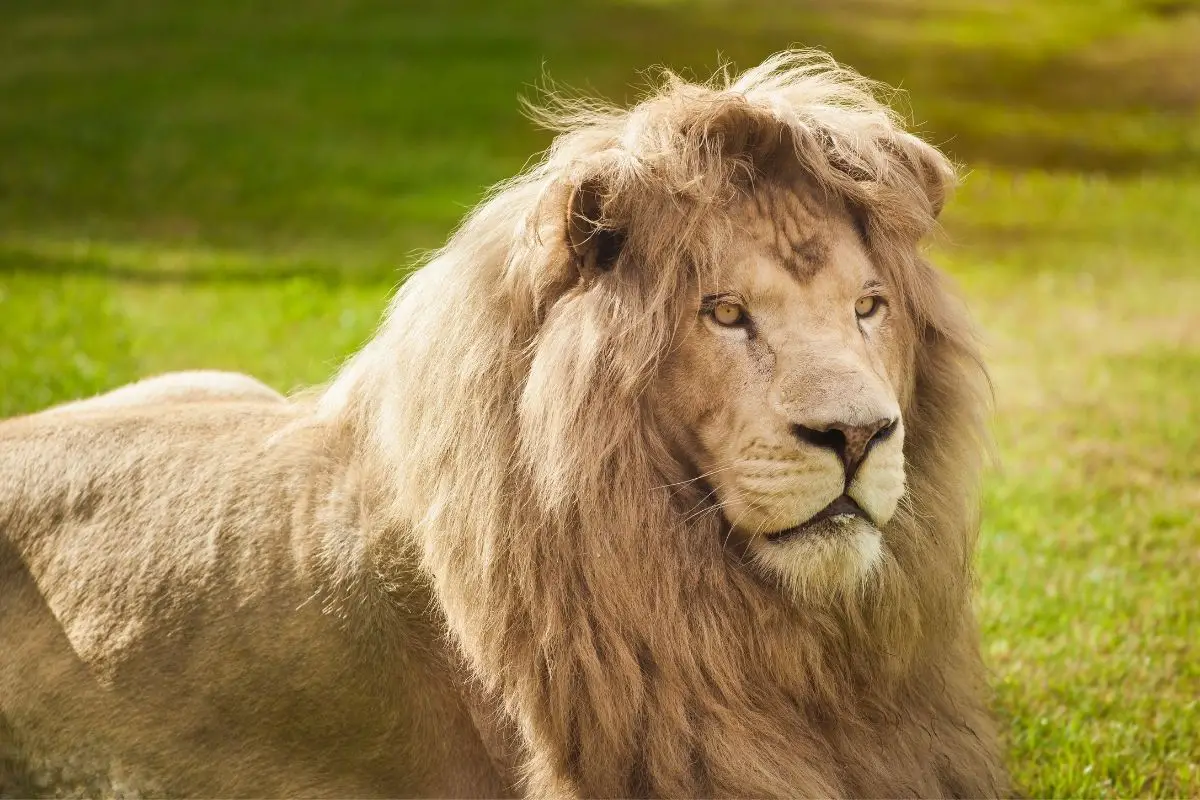
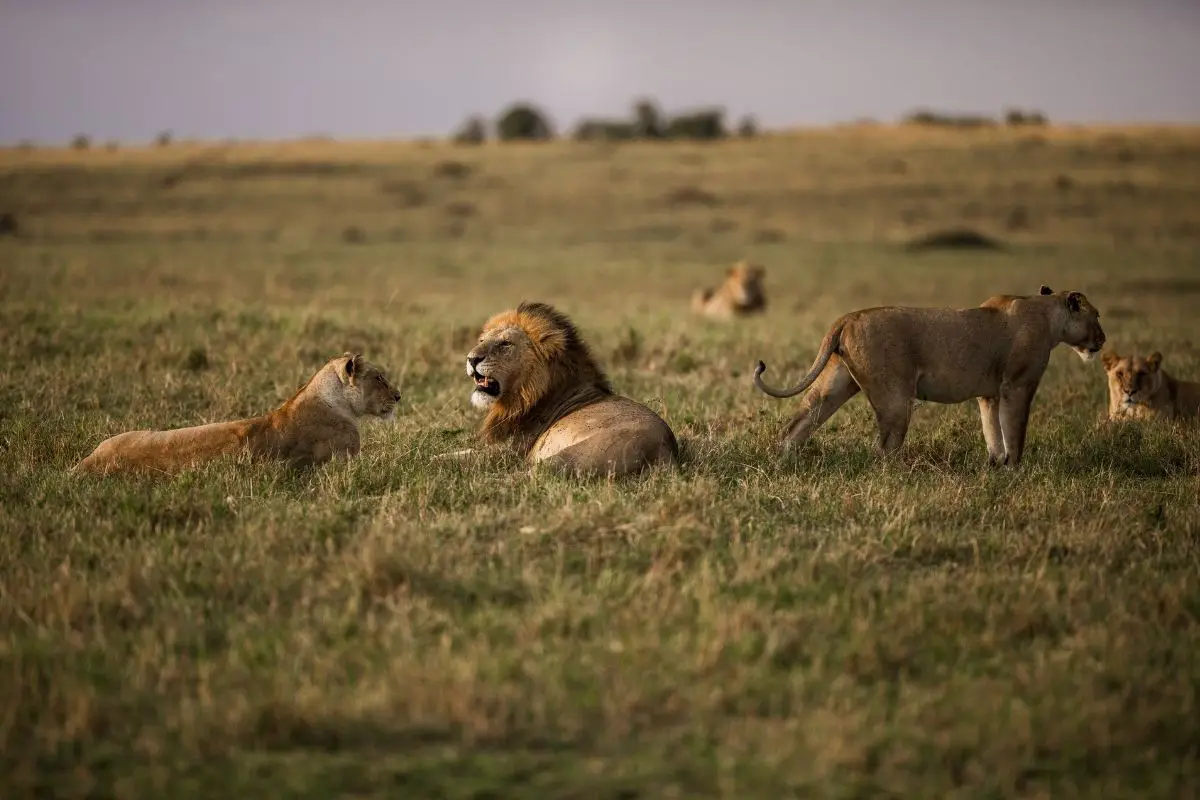
The African lion, once the undisputed king of the continent’s vast savannas, faces an unprecedented crisis in 2025. What was once a thriving population of over 200,000 lions just a century ago has now dwindled to fewer than 20,000 individuals scattered across fragmented habitats. This dramatic 90% decline represents one of the most severe population crashes in modern conservation history, placing these magnificent predators on the precipice of extinction.
The stark reality is that lions have already vanished from 15 African countries and continue to face mounting pressures from habitat loss, human-wildlife conflict, and illegal poaching. Understanding the current state of lion populations and the urgent conservation efforts underway is crucial for anyone concerned about preserving one of Africa’s most iconic species for future generations.
Current Lion Population Numbers in 2025
As of 2025, the global wild lion population stands at approximately 20,000 individuals, representing a catastrophic decline from historical numbers. The International Union for Conservation of Nature (IUCN) continues to classify African lions as “Vulnerable” on their Red List, with populations showing no signs of stabilization.
Regional Population Breakdown
Lion populations are not evenly distributed across Africa. The majority of remaining lions are concentrated in key strongholds:
Eastern Africa: Approximately 11,000-12,000 lions (60% of total population)
Southern Africa: Around 6,000-7,000 lions (30% of total population)
Western Africa: Fewer than 1,500 lions (7% of total population)
Central Africa: Approximately 500-1,000 lions (3% of total population)
Major Lion Strongholds
Several protected areas house significant portions of the remaining lion population:
Ruaha National Park (Tanzania): 1,000+ lions (10% of global population)
Selous Game Reserve (Tanzania): 800+ lions
Historical Lion Population Decline
To understand the severity of today’s lion crisis, we must examine the dramatic population trends over the past century. Lions once roamed across much of Africa, the Middle East, and even parts of Europe and Asia.
Pre-Colonial Lion Populations
Before European colonization, conservative estimates suggest that 400,000 to 500,000 lions roamed across their historic range. These magnificent predators inhabited:
Nearly all of sub-Saharan Africa
North Africa (including the now-extinct Barbary lion)
The Middle East and parts of southwestern Asia
Northwestern India (where a small population still survives)
20th Century Population Crash
The lion population decline accelerated dramatically during the colonial period and continued through independence:
1900s: ~200,000 lions across Africa
1950s: ~100,000 lions
1980s: ~75,000 lions
2000s: ~35,000 lions
2025: ~20,000 lions
This represents a staggering 43% decline in just the past 21 years, with the rate of decline showing no signs of slowing.
[Table: Decade-by-decade lion population estimates with percentage decline]
Primary Threats to Lion Populations
Understanding the multifaceted threats facing lions is essential for developing effective conservation strategies. The challenges are complex and interconnected, requiring comprehensive approaches to address them successfully.
Habitat Loss and Fragmentation
Perhaps the most significant threat to lion populations is the rapid conversion of their natural habitat for human use:
Agricultural expansion: Growing human populations require more farmland, directly competing with lion habitat
Urban development: Cities and infrastructure projects fragment lion territories
Livestock grazing: Pastoral communities increasingly use traditional lion habitats for cattle and goat grazing
Mining operations: Resource extraction projects destroy habitat and disrupt lion movement corridors
Lions require vast territories – a single pride may need 100-400 square kilometers to sustain themselves. As available habitat shrinks, lion populations become isolated in small “islands” that cannot support viable breeding populations long-term.
Human-Wildlife Conflict
As human populations expand into traditional lion territories, conflicts become inevitable:
Livestock predation: Lions naturally prey on cattle, goats, and sheep, causing significant economic losses for communities
Retaliatory killing: Pastoralists often poison or shoot lions in response to livestock losses
Human casualties: Lions occasionally attack humans, leading to fear and persecution
Preventive killing: Some communities kill lions preemptively to protect their livestock and families
Illegal Hunting and Poaching
Lions face significant pressure from various forms of illegal hunting:
Trophy hunting violations: Illegal or poorly regulated trophy hunting removes breeding males from populations
Body part trafficking: Lion bones, teeth, and claws are increasingly valuable in illegal wildlife trade
Traditional medicine: Some cultures believe lion parts have medicinal properties
Bushmeat hunting: Lions are sometimes killed for their meat, particularly during food shortages
Habitat degradation: Changing rainfall patterns affect vegetation and prey availability
Increased drought: Water scarcity forces lions and prey into smaller areas, intensifying competition
Extreme weather: Severe droughts and floods can devastate lion populations
Prey species decline: Climate change affects herbivore populations that lions depend upon
Lion Subspecies and Conservation Status
Not all lion populations face equal threats. Understanding the different subspecies and their specific conservation challenges is crucial for targeted protection efforts.
African Lion Subspecies
Modern genetic analysis recognizes two main subspecies of African lions:
Panthera leo leo: West and Central African lions (critically endangered with fewer than 1,500 individuals)
Panthera leo melanochaita: Eastern and Southern African lions (vulnerable with approximately 18,500 individuals)
Extinct and Critically Endangered Populations
Several lion populations have already disappeared or teeter on the brink:
Barbary Lion: Extinct in the wild since the 1960s (some captive populations may carry genes)
West African Lions: Fewer than 400 individuals remain in fragmented populations
Central African Lions: Possibly fewer than 1,000 individuals in isolated populations
The Asiatic Lion Exception
India’s Gir Forest hosts the world’s only wild Asiatic lion population (Panthera leo leo), with approximately 674 individuals as of the most recent census. While this population is growing, its concentration in a single location makes it extremely vulnerable.
Current Conservation Efforts and Initiatives
Despite the dire situation, numerous organizations and governments are working tirelessly to save lions from extinction. These efforts span multiple approaches and geographic regions.
Protected Area Management
Establishing and maintaining protected areas remains fundamental to lion conservation:
National Parks: Countries like Tanzania, Kenya, and Botswana maintain large national parks specifically for wildlife protection
Transfrontier Conservation Areas: Cross-border protected areas like the Kavango-Zambezi Transfrontier Conservation Area provide larger connected habitats
Community Conservancies: Local communities manage conservation areas while benefiting economically from wildlife tourism
Private Reserves: Private landowners contribute significantly to lion habitat protection
Human-Wildlife Conflict Mitigation
Innovative programs address the root causes of human-lion conflict:
Livestock protection: Installing predator-proof bomas (enclosures) and providing guard dogs
Compensation schemes: Paying livestock owners for verified predation losses
Alternative livelihoods: Training communities in ecotourism, beekeeping, and other sustainable income sources
Education programs: Teaching coexistence strategies and lion ecology to local communities
Anti-Poaching and Law Enforcement
Strengthening protection against illegal hunting involves:
Ranger training: Improving skills and equipment for wildlife protection officers
Technology deployment: Using camera traps, drones, and satellite monitoring to detect threats
Intelligence networks: Developing information systems to track poaching activities
Legal reforms: Strengthening penalties for wildlife crimes and improving prosecution rates
Research and Monitoring
Scientific research provides the foundation for effective conservation:
Population monitoring: Regular censuses track population trends and distribution
Genetic studies: Understanding genetic diversity and connectivity between populations
Ecological research: Studying lion behavior, prey relationships, and habitat requirements
Technology applications: GPS collaring and other tools provide detailed movement and behavior data
Major Conservation Organizations and Their Work
Several key organizations lead lion conservation efforts across Africa, each contributing unique expertise and resources.
Panthera
Panthera focuses exclusively on wild cat conservation and operates several lion-specific programs:
Project Leonardo: Aims to restore lion populations through targeted interventions
Conflict mitigation: Implementing predator-proof livestock enclosures across Africa
Anti-poaching support: Training and equipping ranger teams in key lion habitats
African Wildlife Foundation (AWF)
AWF works on landscape-level conservation approaches:
Heartland programs: Protecting critical ecosystems that support lion populations
Community engagement: Developing sustainable livelihood alternatives for local communities
Policy advocacy: Working with governments to strengthen wildlife protection laws
WildCRU (University of Oxford)
The Wildlife Conservation Research Unit conducts cutting-edge research:
Long-term studies: Maintaining detailed records of lion populations and behavior
Technology innovation: Creating new tools for wildlife monitoring and protection
Local Conservation Organizations
African-led conservation groups provide crucial on-ground expertise:
Kenya Wildlife Service: Managing Kenya’s lion populations and protected areas
Tanzania Wildlife Research Institute: Conducting research and monitoring in Tanzania
Ewaso Lions (Kenya): Community-based lion conservation in northern Kenya
ALERT (African Lion & Environmental Research Trust): Responsible development programs across Africa
Success Stories and Hope for the Future
Despite the overall decline, several conservation success stories demonstrate that lion populations can recover with dedicated effort and resources.
Namibian Desert Lions
Namibia’s desert-adapted lions have increased from fewer than 20 individuals in the 1990s to over 150 today through:
Community-based natural resource management
Tourism revenue sharing with local communities
Conflict mitigation programs
Government support for conservation
Zimbabwe’s Gonarezhou National Park
Following years of decline, lion populations in Gonarezhou are slowly recovering due to:
Improved park management and security
Prey species reintroduction programs
Regional cooperation with neighboring parks
International funding and support
Community Conservancy Models
Several community conservancies demonstrate sustainable approaches:
Maasai Mara Conservancies (Kenya): Community-owned lands supporting tourism and lions
Communal Conservancies (Namibia): Local management of wildlife resources
Group Ranches (Kenya): Balancing livestock and wildlife on community lands
How You Can Help Save Lions
Individual action can contribute meaningfully to lion conservation efforts. Here are specific ways to make a difference:
Financial Support
Donate to reputable organizations: Support established conservation groups with proven track records
Adopt a lion: Many organizations offer symbolic adoption programs
Sponsor anti-poaching efforts: Fund ranger salaries and equipment
Support community programs: Contribute to livelihood alternatives for local people
Responsible Tourism
Choose ethical safari operators: Select companies that support conservation and local communities
Visit national parks: Tourism revenue directly funds conservation efforts
Follow park guidelines: Respect wildlife and maintain safe distances
Stay in eco-lodges: Choose accommodations with strong conservation commitments
Advocacy and Education
Raise awareness: Share information about lion conservation with friends and family
Support policy changes: Advocate for stronger wildlife protection laws
Oppose canned hunting: Campaign against facilities that breed lions for hunting
Promote coexistence: Support programs that help humans and lions live together
Consumer Choices
Avoid lion products: Never purchase items made from lion parts
Choose sustainable products: Support companies with strong environmental policies
Reduce your carbon footprint: Combat climate change that affects lion habitats
Frequently Asked Questions About Lion Conservation
How many lions are left in the wild in 2025?
Approximately 20,000 lions remain in the wild as of 2025, representing a 90% decline from historical numbers of 200,000+ lions a century ago.
What is the main threat to lion populations?
Habitat loss and human-wildlife conflict represent the primary threats, followed by illegal hunting, prey depletion, and climate change impacts.
Which countries have the largest lion populations?
Tanzania hosts the largest lion population with approximately 8,000-10,000 individuals, followed by Kenya, Botswana, Zimbabwe, and South Africa.
Are lions endangered?
Lions are currently classified as “Vulnerable” by the IUCN, meaning they face a high risk of extinction in the wild. Some subspecies, particularly West African lions, are critically endangered.
How long do lions live in the wild?
Wild lions typically live 12-16 years, with females generally living longer than males due to the dangers males face from territorial conflicts and hunting pressures.
Can lion populations recover?
Yes, with adequate protection and resources, lion populations can recover. Success stories from Namibia and various conservancies demonstrate that focused conservation efforts can reverse decline trends.
What role do local communities play in lion conservation?
Local communities are crucial partners in lion conservation. Programs that provide economic benefits from wildlife tourism and compensation for livestock losses have proven most successful.
How much territory does a lion pride need?
A single lion pride typically requires 100-400 square kilometers of territory, depending on prey density and habitat quality. This large space requirement makes habitat protection critical.
The Future of Lions: Critical Action Needed Now
The lion population crisis of 2025 represents a pivotal moment in conservation history. With fewer than 20,000 lions remaining in the wild, we stand at a crossroads where immediate, coordinated action could mean the difference between recovery and extinction for one of Earth’s most iconic species.
The challenges are undeniably complex – from expanding human populations competing for space to climate change altering ecosystems. However, the success stories emerging from places like Namibia, Kenya’s conservancies, and various national parks prove that lions can coexist with human communities when conservation efforts are properly funded, scientifically guided, and locally supported.
The path forward requires unprecedented collaboration between governments, conservation organizations, local communities, and concerned individuals worldwide. Each stakeholder brings essential resources to the table: governments provide legal frameworks and protected areas, conservation groups contribute scientific expertise and funding, local communities offer invaluable traditional knowledge and day-to-day stewardship, and global citizens provide the financial support and advocacy needed to sustain long-term efforts.
As we move deeper into 2025, the window for action continues to narrow. Every day of delay makes recovery more difficult and expensive. Yet with coordinated effort, adequate funding, and unwavering commitment, the majestic roar of lions can continue to echo across African landscapes for generations to come. The choice – and the responsibility – belongs to all of us.
Take action today by supporting reputable conservation organizations, choosing responsible tourism options, and advocating for stronger wildlife protection policies. The future of lions depends on the collective actions we take right now.
Hi, my name is Joe Edwards and I am fascinated by the world of big cats. It all started when my family and I visited a safari park when I was six years old. I begged my parents to get me a stuffed lion as a memento, and later a book about big cats for Christmas.
Now, over 20 years later, I still can’t get enough of them!