As autumn settles across Missouri’s wilderness areas and hunting season brings more outdoor enthusiasts into the backcountry, questions about mountain lions in Missouri become increasingly relevant. Are these elusive predators really roaming the Show Me State’s forests and hills? The answer is more complex than a simple yes or no, and understanding the current situation requires examining the latest data from 2025 and recent years.
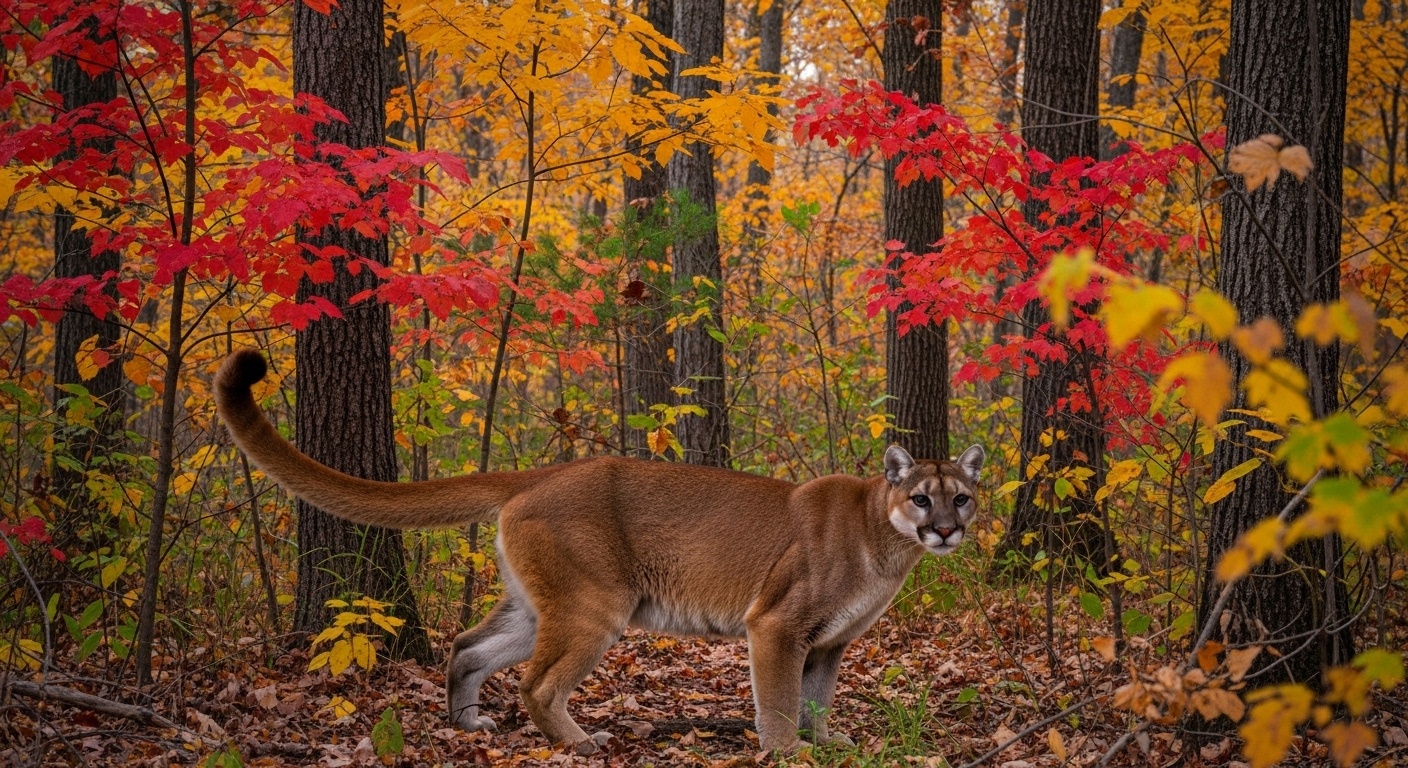
The mountain lion, also known as the cougar, puma, or catamount, is a large cat species native to the Americas. While these powerful predators were once completely absent from Missouri, their gradual return has been confirmed by the Missouri Department of Conservation (MDC) through documented sightings and physical evidence. However, their presence remains limited and transient, with no established breeding population as of fall 2025.
Current Mountain Lion Population Status in Missouri 2025
As we approach the end of 2025, the mountain lion population in Missouri remains essentially non-existent in terms of a resident breeding population. The Missouri Department of Conservation continues to maintain that there is no evidence of an established breeding population within the state’s borders.
However, this doesn’t mean mountain lions are entirely absent. The state experiences periodic visits from transient mountain lions – typically young males dispersing from established populations in western states like Colorado, Wyoming, and the Dakotas. These individuals are searching for new territories and may travel hundreds of miles during their journeys.
2025 Confirmed Sightings and Evidence
Throughout 2025, Missouri has continued to receive sporadic but legitimate mountain lion confirmations. The MDC’s Mountain Lion Response Team (MLRT) has documented several cases this year, including:
Trail camera photographs showing clear images of mountain lions
While specific numbers for 2025 are still being compiled as we finish the year, the pattern remains consistent with previous years – typically fewer than 10 confirmed cases annually statewide.
Mountain Lion Sightings Across Missouri: Regional Breakdown
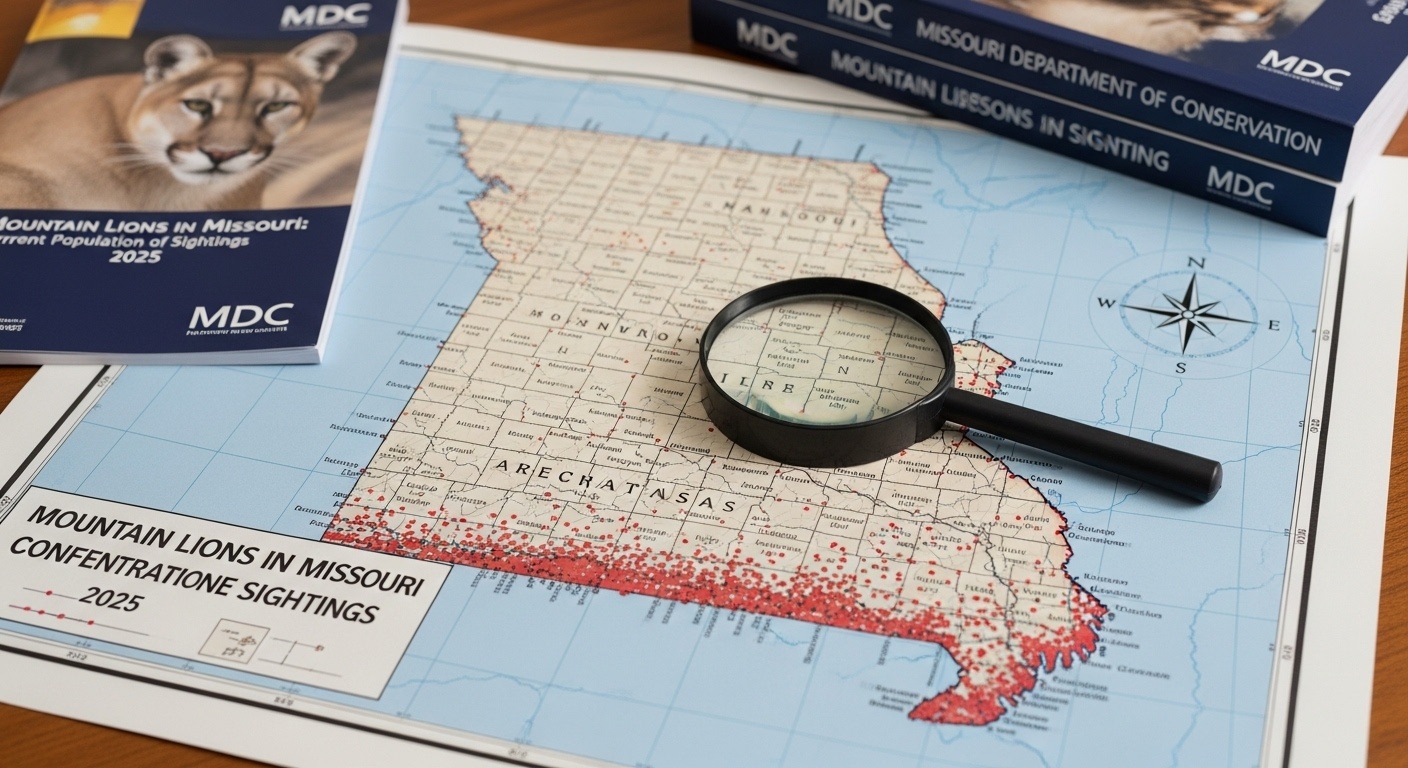
Mountain lion sightings in Missouri aren’t randomly distributed across the state. Certain regions see more confirmed cases than others, often correlating with habitat quality, deer populations, and proximity to migration corridors from western states.
Southern Missouri and the Ozarks
The Ozark region of southern Missouri continues to account for the majority of confirmed mountain lion sightings. This area’s rugged terrain, extensive forest cover, and abundant deer populations create ideal habitat for transient mountain lions. Counties like Shannon, Carter, and Reynolds have seen multiple confirmations over the years.
The region’s connection to Arkansas, which also receives occasional mountain lion visitors, may create a natural corridor for these animals moving through the area.
Mountain Lion Sightings in Franklin County Missouri
Franklin County mountain lion reports have generated significant local interest over the years. Located in east-central Missouri along the Missouri River, Franklin County offers a mix of forested hills, agricultural land, and suburban development that could potentially support transient mountain lions.
Recent years have seen several unconfirmed reports in Franklin County, particularly in the more rural and forested areas. However, residents should remember that many suspected mountain lion sightings turn out to be other animals, particularly:
Bobcats (much smaller but can appear larger in certain lighting)
Large domestic dogs or dog-coyote hybrids
Deer moving quickly through vegetation
Mountain Lion Columbia MO Area
The Columbia Missouri region, situated in the heart of the state, has generated its share of mountain lion reports over the years. While Boone County and surrounding areas have suitable habitat in the form of state parks, conservation areas, and river corridors, confirmed sightings remain rare.
The presence of the University of Missouri and its research facilities in Columbia has contributed to more scientific scrutiny of reported sightings, helping to separate fact from fiction in local mountain lion reports.
Kansas City Metropolitan Area
Reports of a mountain lion in Kansas City and surrounding metro counties generate considerable media attention when they occur. While the urban core is unsuitable habitat, the metropolitan area includes substantial green spaces, parks, and rural-suburban interface areas that could theoretically support a transient mountain lion.
However, the high human population density makes confirmed sightings extremely unlikely in urban areas. Most reports from the Kansas City metro turn out to be misidentifications.
The Mountain Lion Response Team: Missouri’s Scientific Approach
Since 1996, Missouri’s Mountain Lion Response Team (MLRT) has been the state’s authority on investigating reported mountain lion sightings. This specialized team brings scientific rigor to what can often be emotional or sensationalized reports.
Investigation Process
When a mountain lion sighting is reported, the MLRT follows a systematic investigation process:
Initial Assessment: Team members review the report details and determine if investigation is warranted
Field Investigation: If promising, investigators visit the site to look for physical evidence
Evidence Collection: Photos, tracks, scat, hair, or other physical evidence are collected and analyzed
Laboratory Analysis: DNA testing and other scientific methods confirm or refute the presence of a mountain lion
Public Reporting: Confirmed cases are added to the official database and made public
Confirmation Requirements
The MLRT requires substantial evidence to confirm a mountain lion sighting. This includes:
Clear photographs or video showing diagnostic features
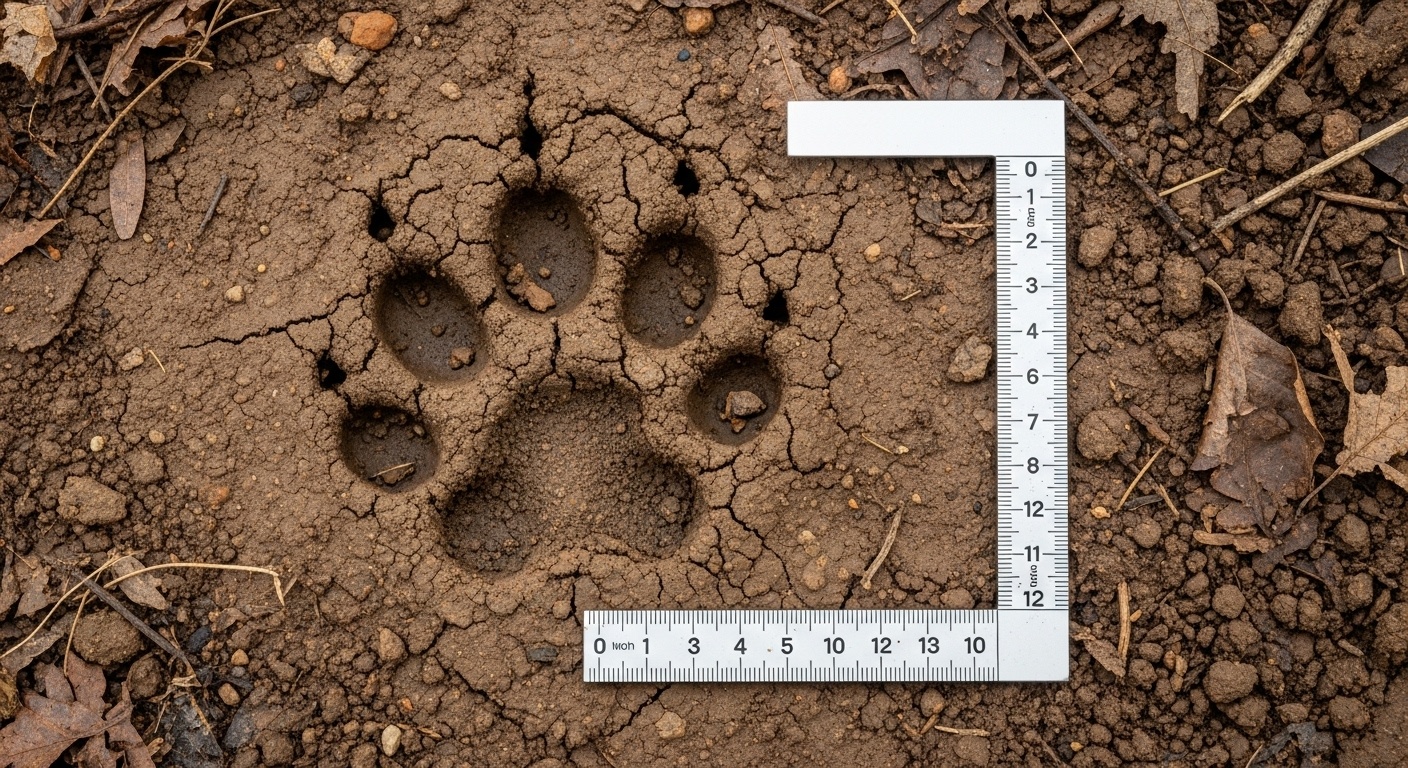
Physical tracks with proper measurements and characteristics
DNA evidence from hair, scat, or other biological material
Physical remains from road-killed animals
Eyewitness reports alone, no matter how credible, are not sufficient for official confirmation without supporting physical evidence.
Understanding the current status of mountain lions in Missouri requires looking at their historical presence and absence in the state. This context helps explain why current sightings are significant yet limited.
Pre-Settlement Abundance
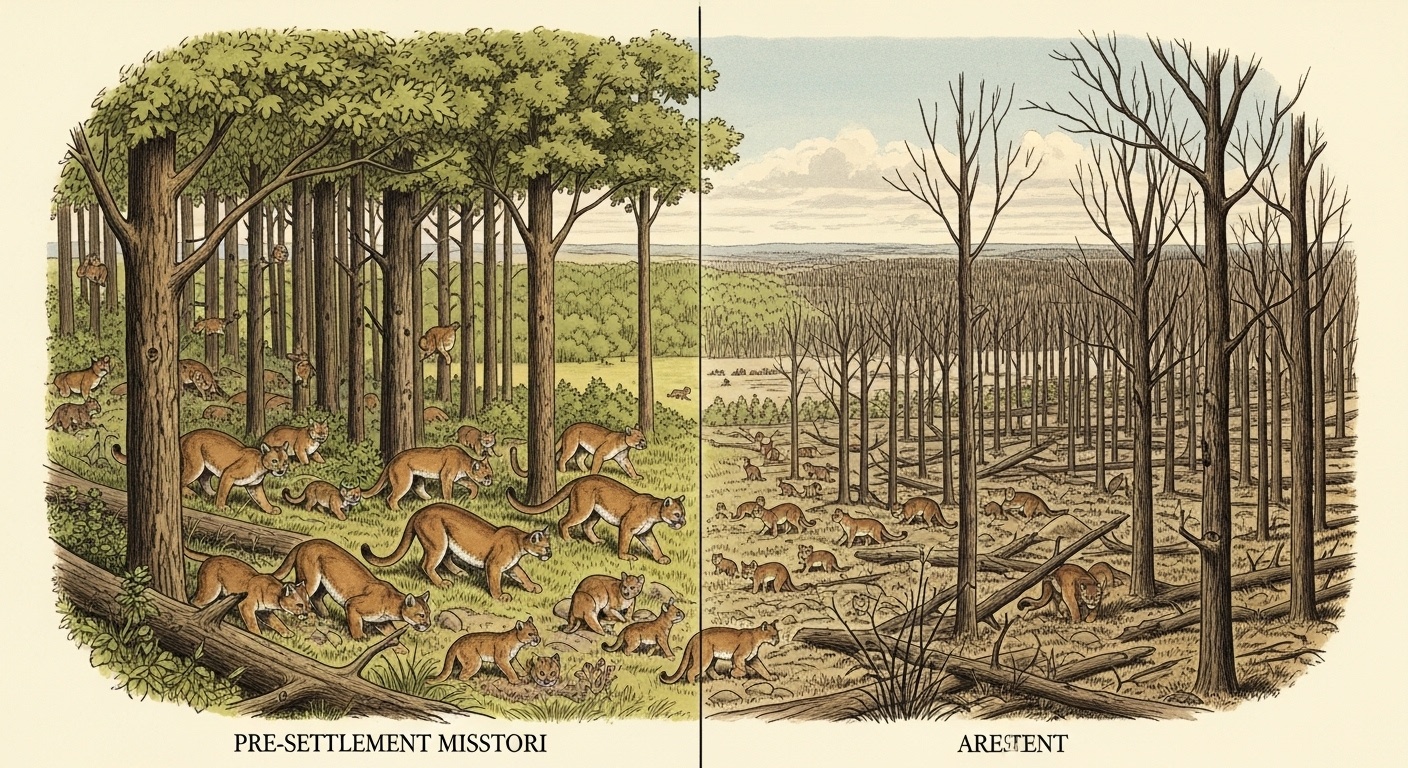
Before European settlement, mountain lions were abundant throughout Missouri. Historical accounts from early settlers and explorers frequently mention encounters with these large cats, which they often called “panthers” or “catamounts.”
The state’s diverse habitats – from prairie grasslands to dense Ozark forests – supported healthy populations of mountain lions and their primary prey species, including elk, deer, and smaller mammals.
Extirpation Period (Late 1800s – 1990s)
By the late 1800s, intensive hunting, trapping, and habitat loss had virtually eliminated mountain lions from Missouri. The last confirmed native mountain lion was reportedly killed in the 1920s, marking the end of an era for these apex predators in the Show Me State.
For nearly 70 years, Missouri was essentially devoid of mountain lions. Occasional reports surfaced, but most were dismissed as misidentifications or tall tales.
The Modern Return (1990s – Present)
The story changed in the 1990s when credible reports began increasing. The establishment of the MLRT in 1996 marked Missouri’s commitment to scientifically investigating these claims. Since then, the team has confirmed dozens of mountain lion cases, proving that these cats have indeed returned to Missouri – albeit in very limited numbers.
Debunking the Black Mountain Lion Missouri Myth
One persistent myth that circulates in Missouri is the existence of black mountain lions. These reports often generate significant excitement and media attention, but they lack scientific foundation.
The Science Behind Mountain Lion Coloration
Mountain lions exhibit a relatively narrow range of coloration:
Tawny to gray-brown primary coat color
Lighter underparts on chest and belly
Darker ear tips and tail tip
Facial markings around the muzzle and eyes
Melanism (the genetic condition causing black coloration) has never been scientifically documented in mountain lions. Unlike jaguars or leopards, which can exhibit melanistic individuals (“black panthers”), mountain lions do not possess the genetic makeup for this coloration.
Common Explanations for “Black Mountain Lion” Reports
When investigating reports of black mountain lions, MLRT members often find the witness actually saw:
Black bears moving quickly through vegetation
Large black dogs or dog hybrids
Regular mountain lions seen in poor lighting conditions
Bobcats that appeared larger and darker than actual
The power of suggestion and excitement of a potential mountain lion sighting can influence perception, making normal-colored animals appear different than they actually are.
Current Research and Monitoring Efforts
Missouri’s approach to mountain lion monitoring has evolved significantly since the MLRT’s establishment. Current research efforts focus on understanding movement patterns, genetic origins, and potential habitat suitability.
Genetic Analysis Projects
DNA analysis of confirmed mountain lion evidence has revealed fascinating insights about Missouri’s visitors. Most confirmed animals show genetic markers linking them to populations in:
South Dakota – The Black Hills population
Nebraska – Pine Ridge and Niobrara River areas
Colorado – Front Range populations
Wyoming – Various regional populations
This genetic work confirms that Missouri’s mountain lions are indeed dispersing individuals from established western populations, not remnants of historical Missouri cats.
Habitat Suitability Studies
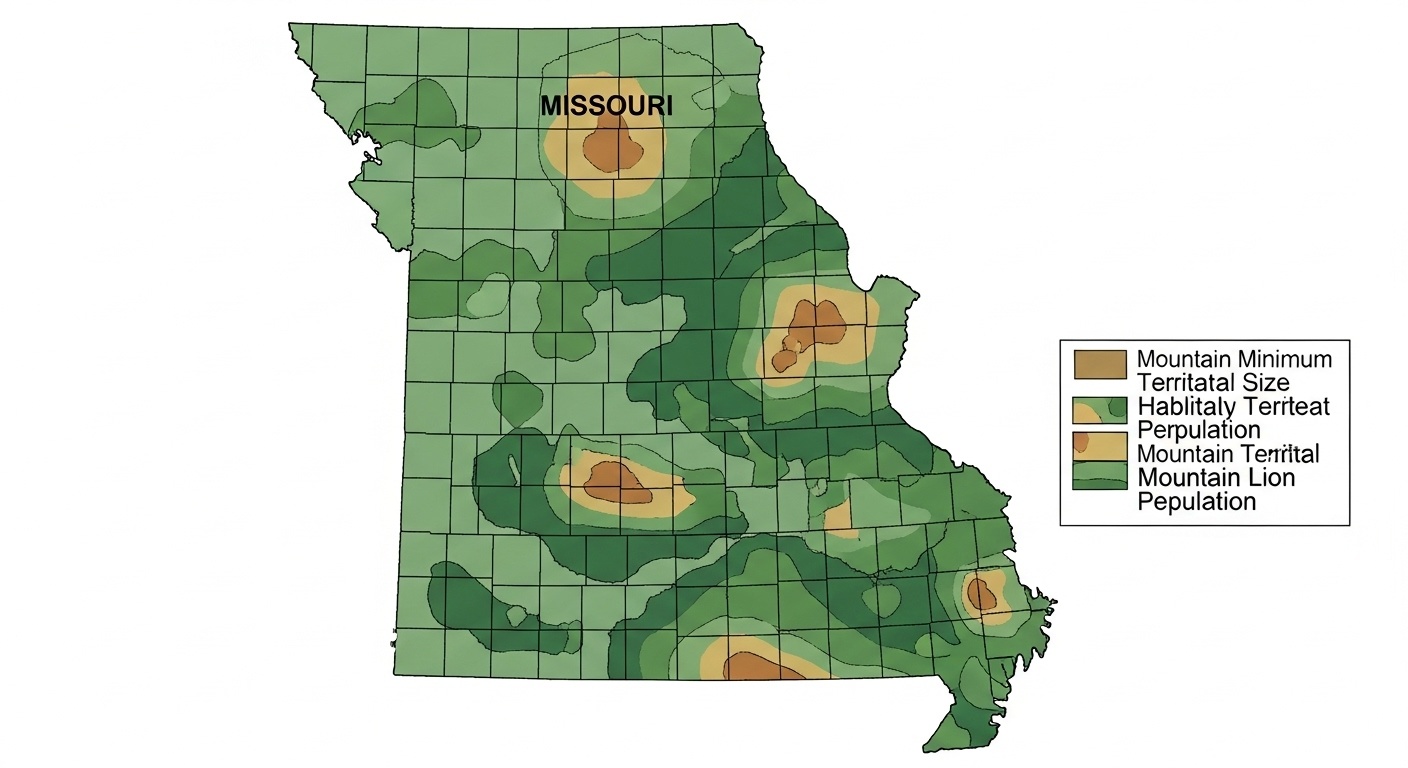
Researchers have conducted extensive habitat suitability modeling to determine Missouri’s capacity to support mountain lions. Key findings include:
Habitat Factor
Missouri Status
Suitability Rating
Prey Availability
Abundant deer populations
High
Forest Cover
30% statewide, higher in Ozarks
Moderate to High
Human Density
Variable, high in urban areas
Low to Moderate
Road Density
High statewide
Low
Territory Size Requirements
Limited suitable large areas
Low to Moderate
While Missouri has some suitable habitat, particularly in the Ozarks, the state’s high human population density and extensive road network present significant challenges for establishing a breeding population.
Safety and Coexistence Guidelines
As mountain lions continue to occasionally pass through Missouri, residents and outdoor enthusiasts should understand how to coexist safely with these powerful predators. While encounters remain extremely rare, preparation is essential.
Mountain Lion Behavior and Risk Assessment
Mountain lions are naturally secretive and avoid humans whenever possible. Key behavioral characteristics include:
Crepuscular activity – Most active during dawn and dusk
Excellent climbers – Can easily scale trees and rocky terrain
Ambush predators – Prefer to hunt from cover
Territorial animals – Males may travel vast distances seeking territory
Human-mountain lion conflicts are extremely rare, even in states with established populations. However, certain situations can increase risk:
Surprising a mountain lion at close range
Encountering a female with cubs (extremely unlikely in Missouri)
Cornering or trapping a mountain lion
Running away from a mountain lion (triggers chase instinct)
What to Do During a Mountain Lion Encounter
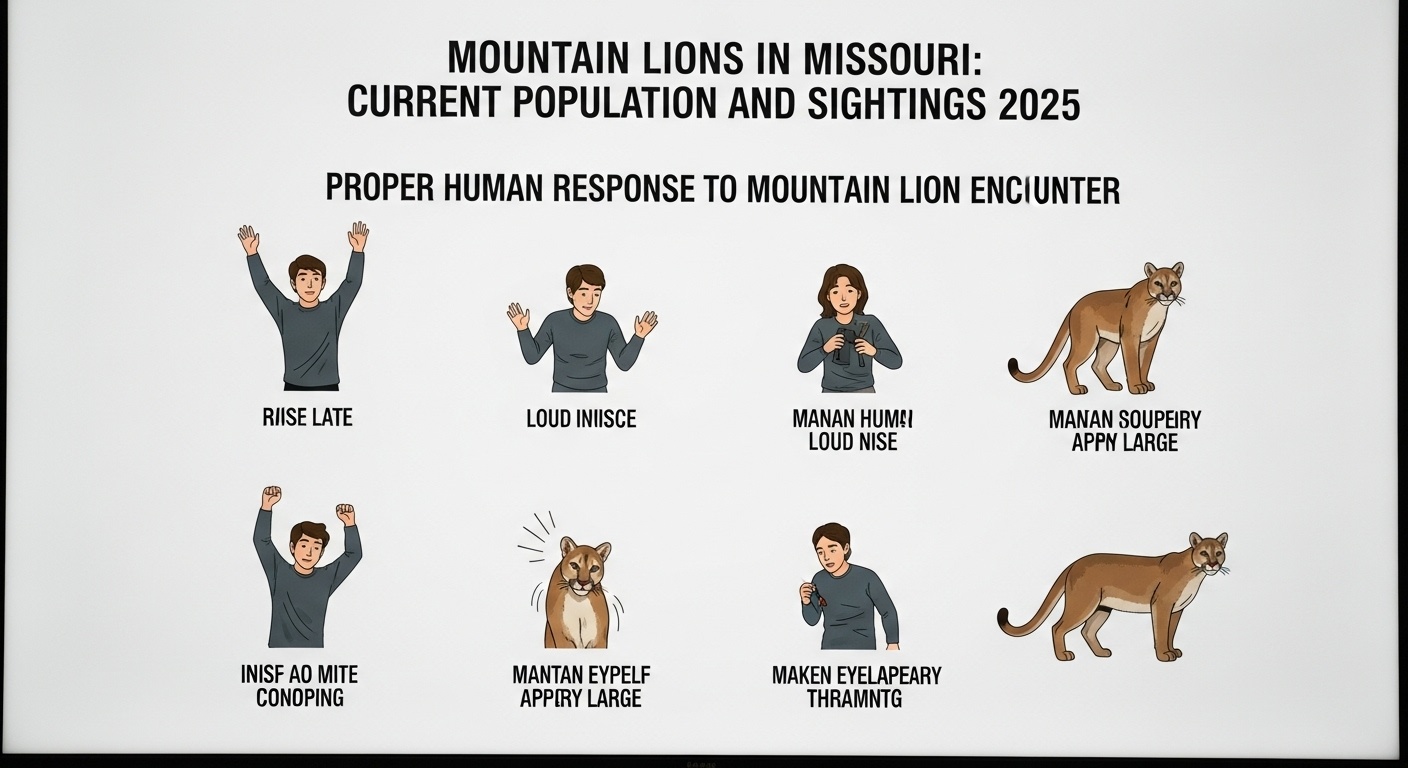
If you encounter a mountain lion in Missouri, follow these critical safety steps:
Do not run – This may trigger the animal’s chase instinct
Maintain eye contact – Look directly at the animal while backing away slowly
Make yourself appear larger – Raise your arms, open your jacket, stand on a rock
Make noise – Talk loudly, shout, or yell to appear threatening
Throw objects – Rocks, sticks, or anything available if the animal approaches
Fight back if attacked – Use any available weapons and target the face and eyes
Prevention Strategies for Rural Residents
Rural Missouri residents in areas with confirmed sightings can take steps to reduce attraction:
Secure livestock in sturdy enclosures, especially at night
Remove attractants like pet food, bird feeders that attract deer
Install motion-activated lights around buildings and livestock areas
Keep pets indoors or in secure enclosures, especially during dawn and dusk
Maintain visibility around buildings by trimming vegetation
The Future of Mountain Lions in Missouri
As we look toward the future of mountain lions in Missouri, several factors will influence their potential establishment in the state. Understanding these factors helps predict what the coming years might hold.
Population Growth in Source States
Mountain lion populations in western states continue to grow and expand eastward. This growth increases the likelihood of dispersing individuals reaching Missouri. Key source populations showing growth include:
South Dakota Black Hills – Steady population growth and eastward expansion
Nebraska Populations – Increasing numbers along the Niobrara River
Colorado Front Range – Stable populations with regular dispersal
As these populations grow, Missouri may see increased frequency of transient mountain lions, but this doesn’t necessarily translate to establishment of a breeding population.
Climate and Habitat Changes
Climate change and evolving land use patterns in Missouri may affect the state’s suitability for mountain lions:
Positive Factors:
Forest expansion in some areas as agriculture changes
Conservation land acquisition creating larger protected areas
Deer population stability maintaining adequate prey base
Negative Factors:
Continued development fragmenting potential habitat
For mountain lions to naturally reestablish in Missouri, several conditions would need to align:
Multiple breeding-age females would need to arrive and survive
Adequate male presence for successful reproduction
Suitable territory large enough to support multiple individuals
Low human-caused mortality allowing population growth
Prey abundance sufficient to support a breeding population
Currently, these conditions are not met in Missouri, making natural reestablishment unlikely in the near future.
Reporting Mountain Lion Sightings
Citizen reports remain crucial for monitoring mountain lion presence in Missouri. However, effective reporting requires understanding what information is valuable and how to properly document sightings.
How to Report a Sighting
If you believe you’ve encountered a mountain lion in Missouri, contact the Missouri Department of Conservation immediately. Provide the following information:
Exact location with GPS coordinates if possible
Date and time of the sighting
Weather and lighting conditions
Detailed description of the animal’s appearance and behavior
Duration of the sighting
Photographs or video if safely obtained
Physical evidence like tracks, scat, or hair
Documentation Best Practices
When documenting a potential mountain lion sighting:
Prioritize safety – Never approach or follow the animal
Take photos/video from a safe distance using zoom if available
Include size references in photos when possible
Photograph tracks with a ruler, coin, or boot for scale
Don’t disturb evidence – Let investigators collect samples
Frequently Asked Questions About Mountain Lions in Missouri
Are there mountain lions in Missouri right now?
Yes, Missouri occasionally has transient mountain lions passing through the state. However, there is no established breeding population. These are typically young males dispersing from western states.
How many mountain lions are in Missouri in 2025?
There is no permanent mountain lion population in Missouri. At any given time, there may be 0-2 transient individuals in the entire state, though most of the time there are probably none present.
Where are mountain lions most likely to be seen in Missouri?
The Ozark region of southern Missouri has the highest number of confirmed sightings, particularly in counties like Shannon, Carter, and Reynolds. The area’s rugged terrain and forest cover provide better habitat than other parts of the state.
What should I do if I see a mountain lion in Missouri?
Do not run. Make yourself appear large, maintain eye contact, back away slowly, and make noise. If attacked, fight back aggressively. Report the sighting to the Missouri Department of Conservation immediately.
Do black mountain lions exist in Missouri?
No, there are no black mountain lions anywhere in North America. Melanism (black coloration) does not occur in mountain lions. Reports of “black panthers” are typically misidentified black bears, large dogs, or mountain lions seen in poor lighting.
Will Missouri ever have a breeding mountain lion population again?
While possible, it’s unlikely in the foreseeable future. Missouri lacks the large, connected habitats typically required for mountain lion territories, and the state’s high human density and road networks present significant challenges.
Conservation and Management Perspectives
The Missouri Department of Conservation maintains a hands-off approach to mountain lion management, neither actively encouraging nor discouraging their presence. This policy reflects several key principles:
Natural Process Philosophy
The MDC believes that if mountain lions are to return to Missouri, it should happen through natural processes rather than human intervention. This approach:
Allows natural selection to determine successful individuals
Ensures genetic diversity through multiple source populations
Maintains public trust by not introducing controversial species
Reduces liability associated with reintroduction programs
Monitoring and Research Priorities
Current MDC priorities regarding mountain lions include:
Continued monitoring of transient individuals
Public education about mountain lion ecology and safety
Habitat assessment and protection of potential mountain lion habitat
Genetic research to understand dispersal patterns and origins
Coordination with neighboring states on regional mountain lion issues
Conclusion: Missouri’s Mountain Lion Reality
As autumn 2025 draws to a close, the status of mountain lions in Missouri remains largely unchanged from previous years. These magnificent predators continue to occasionally visit the Show Me State, providing thrilling glimpses of what Missouri’s wilderness once supported while highlighting the challenges facing large carnivores in modern landscapes.
The scientific evidence is clear: while mountain lions do occur in Missouri, they remain rare transients rather than established residents. The Missouri Department of Conservation’s rigorous investigation process has confirmed dozens of cases over nearly three decades, but no evidence suggests a breeding population has taken hold.
For Missouri residents and outdoor enthusiasts, this means maintaining realistic expectations while staying prepared. The chances of encountering a mountain lion remain extremely low, but understanding proper safety protocols and reporting procedures contributes to both public safety and scientific knowledge.
Whether you’re hiking the Ozark trails, hunting in Franklin County, or simply curious about Missouri’s wildlife, remember that every credible mountain lion report adds to our understanding of these remarkable animals. As western mountain lion populations continue to grow and expand, Missouri’s role as an occasional waypoint in their eastward journey will likely continue.
The return of mountain lions to Missouri – however limited – represents a small victory for conservation and the resilience of wildlife. While a fully established population may never develop, the periodic presence of these apex predators reminds us of the wild heritage that still flows through Missouri’s landscapes, even in our modern, developed world.
Hi, my name is Joe Edwards and I am fascinated by the world of big cats. It all started when my family and I visited a safari park when I was six years old. I begged my parents to get me a stuffed lion as a memento, and later a book about big cats for Christmas.
Now, over 20 years later, I still can’t get enough of them!