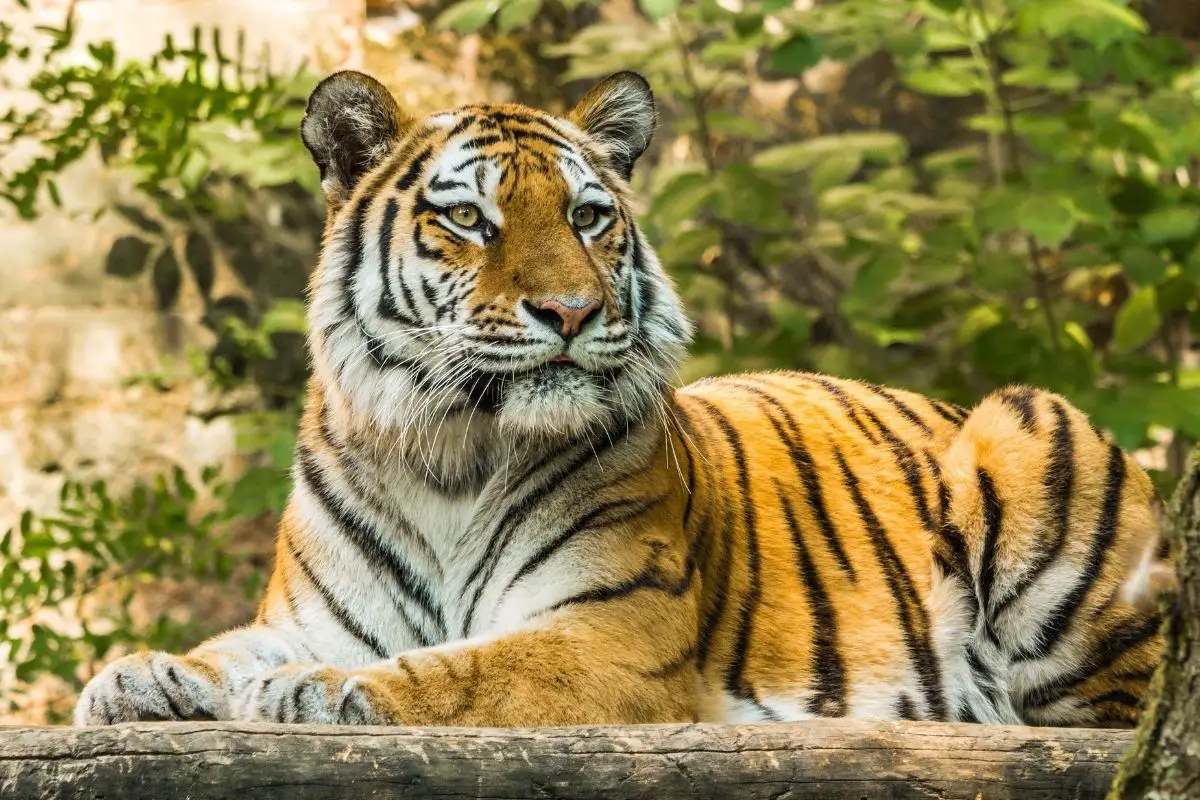
The Caspian tiger (Panthera tigris tigris) was a population of tigers that once roamed the wetlands, forests, and river valleys surrounding the Caspian Sea. Designated historically as Panthera tigris virgata, this population is now recognized as part of the nominate subspecies Panthera tigris tigris following taxonomic revisions in 2017. The IUCN Red List lists this population as Extinct since 1970.
Historical Range and Habitat
The Caspian tiger inhabited a vast range extending from eastern Turkey, northern Iran, Mesopotamia, and the Caucasus region, through Central Asia to northern Afghanistan and the Xinjiang region of western China. These tigers favored riparian forests and sparse woodland corridors along major river systems, particularly in the Amu Darya and Syr Darya basins.
Historical records indicate the subspecies was present in southern Russia until the Middle Ages. The species thrived in the wetlands of the Caspian region, which provided abundant prey including deer, wild boar, and saiga antelope.
Physical Characteristics
Caspian tigers were intermediate in size between Siberian tigers and Bengal tigers. Museum specimens and historical photographs indicate their fur was brighter and more uniform than that of Siberian tigers, with narrower, fuller stripes set more closely together. The stripes exhibited a brownish hue rather than the black commonly seen in other subspecies.
Taxonomic History
The subspecies was originally described as Felis virgata by Johann Karl Wilhelm Illiger in 1815. Konstantin Satunin later proposed Tigris septentrionalis in 1904 based on specimens from the Lankaran Lowland. In 1929, Reginald Innes Pocock reclassified the tiger into the genus Panthera.
Genetic studies conducted in the 2000s revealed that Caspian tigers were remarkably similar to Siberian tigers (Amur tigers), sharing a common ancestor that colonized Central Asia less than 10,000 years ago. This finding led to the recognition that the Siberian tiger is the closest living genetic relative of the extinct Caspian population.
Extinction
The Caspian tiger was driven to extinction through a combination of habitat loss, prey depletion, and deliberate persecution. Soviet-era hunting programs in the early 20th century targeted large predators, and agricultural expansion reduced available habitat throughout the subspecies range. The last confirmed sighting occurred in the late 1960s, and the population was formally declared extinct in 1970.
Reintroduction Efforts
Conservation organizations are actively working to restore tigers to the Caspian region. The WWF Return of the Tiger program and the United Nations Development Programme have launched multi-phase reintroduction projects in Kazakhstan, with plans to establish a viable tiger population within 15 years.
In November 2024, two Amur tigers were transferred from a Dutch zoo to a nature reserve in southern Kazakhstan, representing the first step in this ambitious conservation effort. The project involves habitat preparation, prey population restoration, and community engagement to reduce human-wildlife conflict.
Genetic analysis of the Amur tiger provides the closest available proxy for the extinct Caspian population, and researchers are evaluating the suitability of remaining habitat in Central Asia for reintroduction. The Siberian Tiger Introduction Project has proposed reintroduction sites in Kazakhstan where Caspian tigers historically ranged.