If you’ve ever wondered whether lions are as romantically devoted as they appear in Disney movies, prepare for a reality check. Lions are magnificent predators and complex social animals, but when it comes to love and loyalty, their behavior is far more pragmatic than poetic.
The truth about lion mating habits challenges many assumptions we have about the ‘King of Beasts.’ From their surprisingly promiscuous nature to their frequent mating sessions, lion reproductive behavior is both fascinating and brutal—shaped entirely by survival instincts rather than emotional bonds.
Do Lions Mate for Life? The Definitive Answer
No, lions do not mate for life. Lions are polygamous animals, meaning both males and females will mate with multiple partners throughout their lives. This reproductive strategy is deeply ingrained in their evolutionary biology and serves several critical survival purposes.
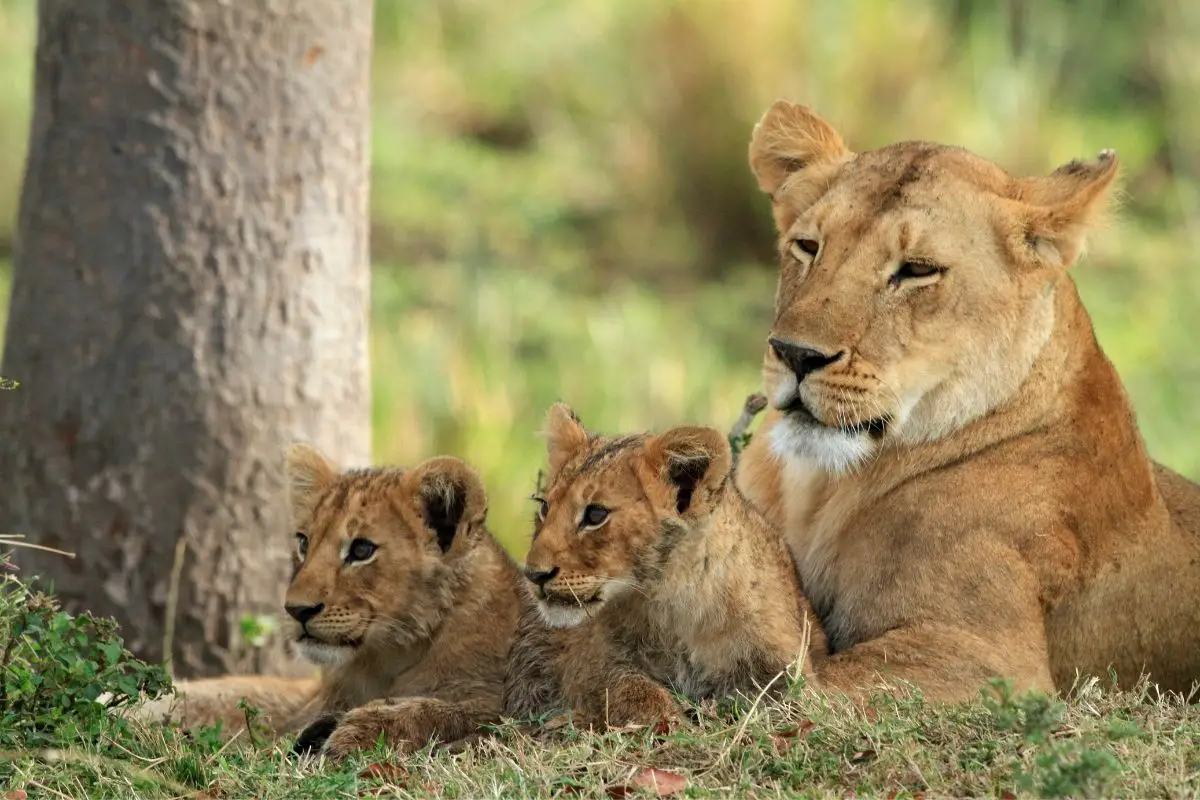
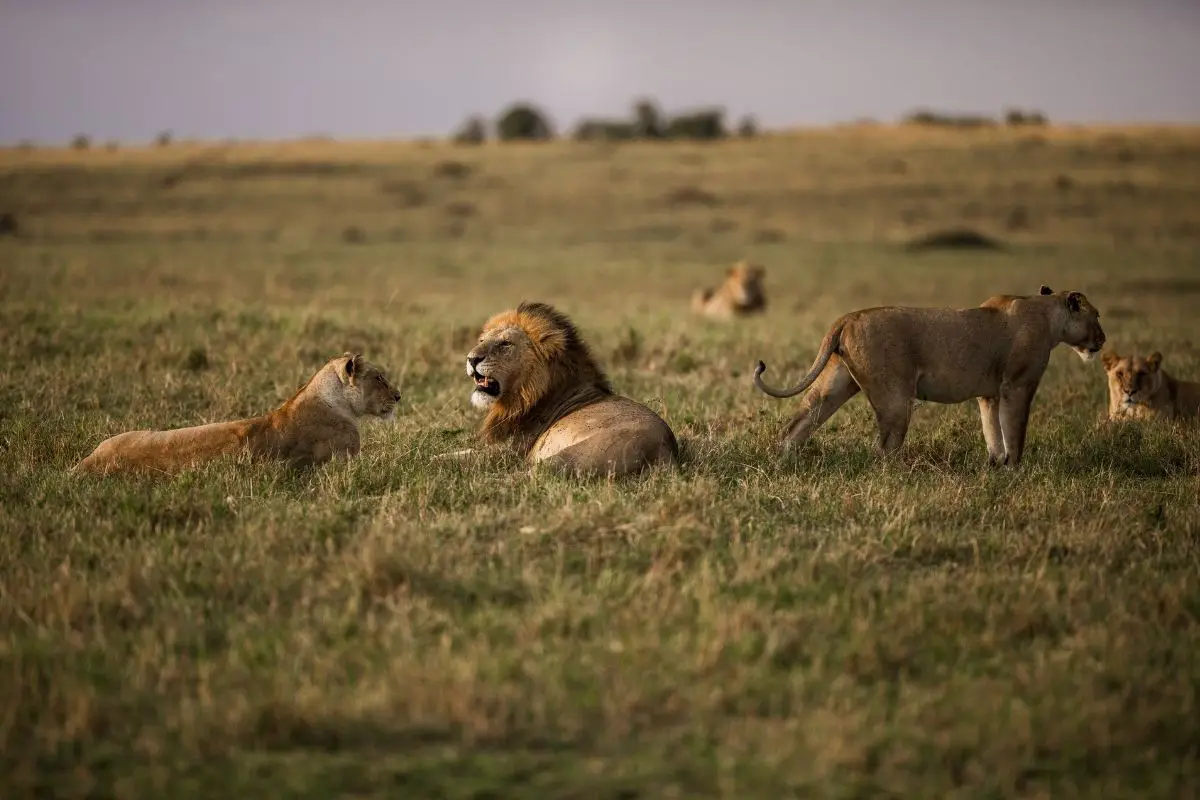
Unlike animals such as wolves or certain bird species that form lifelong pair bonds, lions operate within a complex social structure called a pride. A typical pride consists of:
2-3 dominant males (often brothers or coalition partners)
5-10 related females (mothers, daughters, sisters)
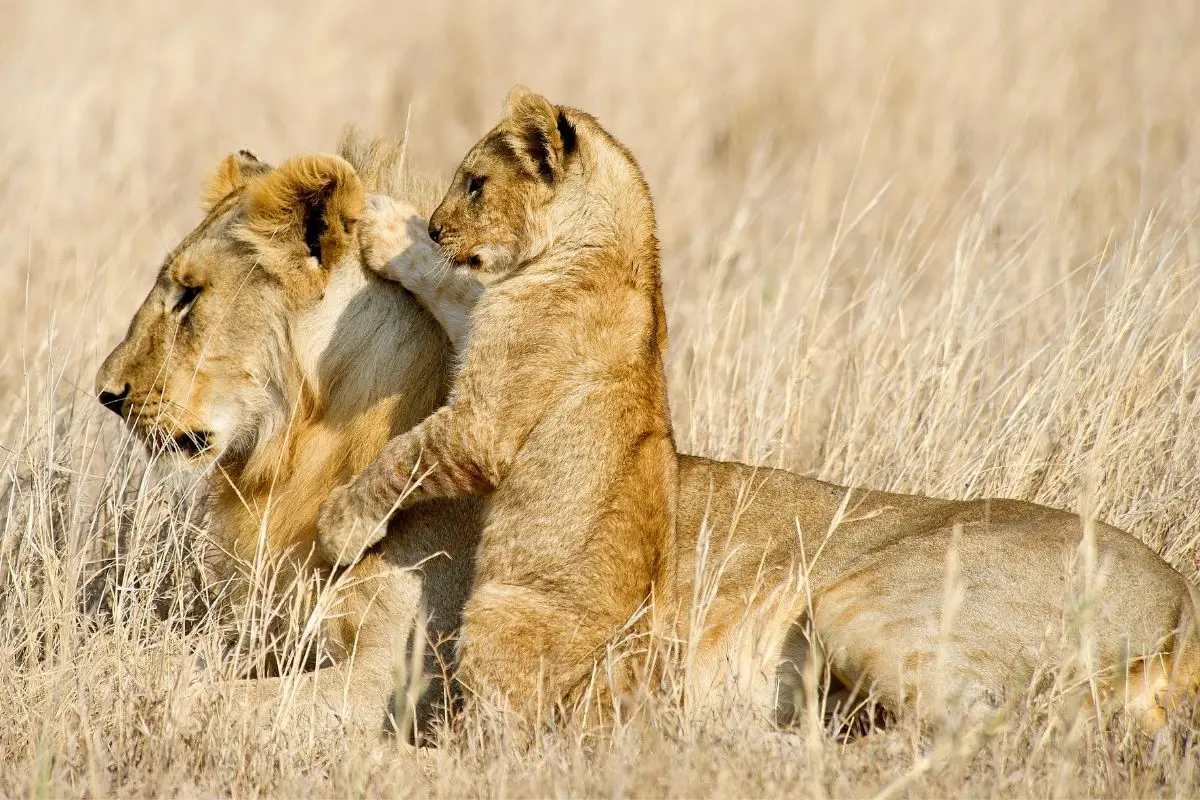
Cubs of various ages
Within this structure, dominant males will mate with multiple females, while females may also mate with different males during their estrus cycle. This system ensures genetic diversity and increases the chances of successful reproduction.
According to research from the Smithsonian Institution, male lions typically maintain control of a pride for only 2-4 years before being challenged by younger, stronger males. This relatively short tenure further prevents long-term monogamous relationships.
Why Do Lions Mate So Many Times? The Science Behind Excessive Mating
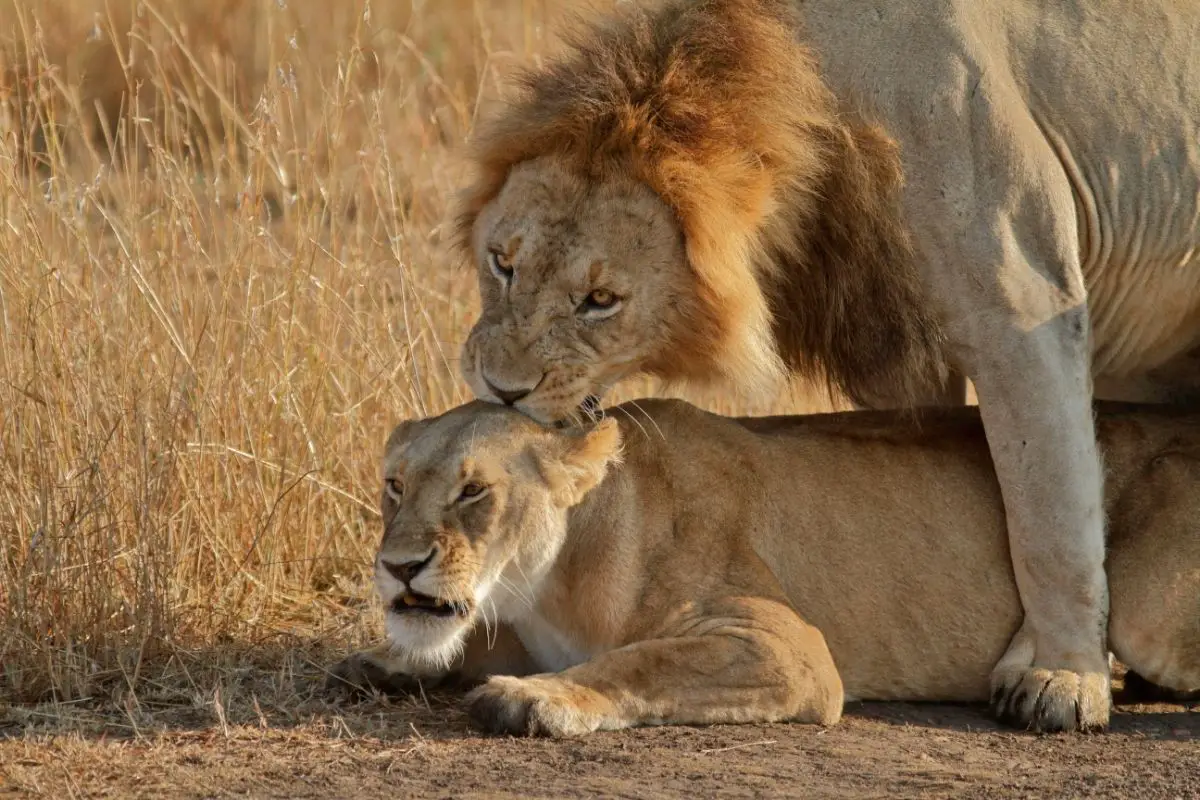
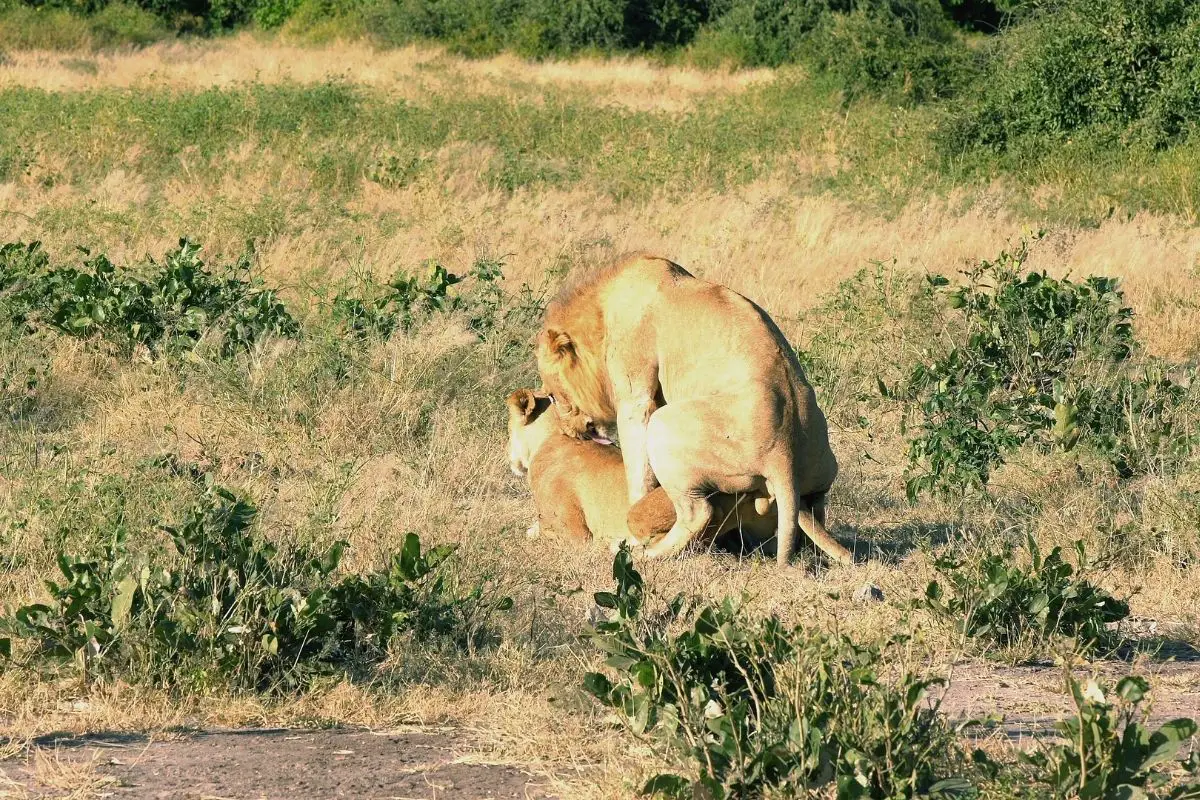
One of the most striking aspects of lion reproduction is the sheer frequency of mating. During a female’s estrus period, lions can mate 20-40 times per day, with each session lasting only 10-25 seconds. But why do lions mate so many times?
Biological Necessity: Induced Ovulation
Unlike humans, lionesses don’t ovulate spontaneously. They require multiple mating sessions to trigger ovulation—a process called induced ovulation. The male lion’s penis has backward-facing spines that cause mild trauma to the female’s reproductive tract, which stimulates the hormonal cascade necessary for egg release.
This biological mechanism explains why frequency is crucial: without multiple mating sessions, pregnancy simply won’t occur.
Low Success Rate Per Encounter
Even with frequent mating, lionesses have only a 38% chance of conceiving during each estrus cycle. This relatively low success rate drives the need for numerous attempts within the brief 2-4 day window when females are receptive.
Male Competition and Guarding Behavior
Dominant males often guard females closely during estrus, preventing other males from mating. However, this guarding isn’t about emotional attachment—it’s about ensuring their genes are passed on rather than a competitor’s.
Lion Mating Cycles: When and How Often Do Lions Breed?
Understanding lion reproduction requires knowledge of their unique breeding patterns, which differ significantly from many other large mammals.
No Fixed Breeding Season
Lions don’t follow a traditional breeding season. Instead, lionesses enter estrus based on various factors:
A lioness’s reproductive cycle follows this pattern:
Estrus period: 2-4 days of receptivity
Gestation period: 110 days (approximately 3.5 months)
Cubs dependency: 18-24 months
Return to estrus: Every 2-3 years in the wild (if cubs survive)
In captivity, where lions experience less stress and more consistent food availability, females may cycle more frequently—sometimes annually.
The Dark Side of Lion Reproduction: Infanticide and Pride Takeovers
Lion mating behavior includes some harsh realities that further explain why they don’t mate for life. One of the most disturbing aspects is infanticide—the killing of cubs by adult males.
Why Do Male Lions Kill Cubs?
When new males take over a pride, they often kill existing cubs for several evolutionary reasons:
Eliminate competition: Prevents future rivals from challenging their dominance
Accelerate breeding: Nursing lionesses don’t enter estrus; removing cubs brings females into heat sooner
Resource allocation: Ensures energy and food go toward raising their own offspring
Female Protective Strategies
Lionesses have evolved several strategies to protect their cubs:
Hiding newborns in dense vegetation for the first 6-8 weeks
Collective defense by working together to drive off threatening males
Mating with multiple males to create paternity confusion
Evolutionary Advantages: Why Lions Choose Promiscuity Over Monogamy
The polygamous nature of lions serves several evolutionary purposes that monogamy couldn’t achieve:
Genetic Diversity Benefits
Multiple mating partners ensure greater genetic variation in offspring, leading to:
Enhanced disease resistance
Better adaptation to environmental changes
Stronger immune systems
Improved survival rates
Recent conservation research highlighted by the National Geographic Society emphasizes how genetic diversity is crucial for lion populations facing habitat fragmentation and climate change.
Reproductive Insurance
For lionesses, mating with multiple males provides insurance against infertility or genetic defects from any single partner. Since only about 50% of cubs survive to independence, maximizing genetic potential is critical.
Male Reproductive Success
For males, mating with multiple females maximizes the number of offspring they can produce during their relatively short period of dominance. This strategy ensures their genes persist even after they’re displaced by younger rivals.
How Lion Mating Behavior Compares to Other Big Cats
Lions are unique among big cats in their mating behavior. While other species like jaguars and pumas can occasionally interbreed in captivity, they typically maintain different reproductive strategies:
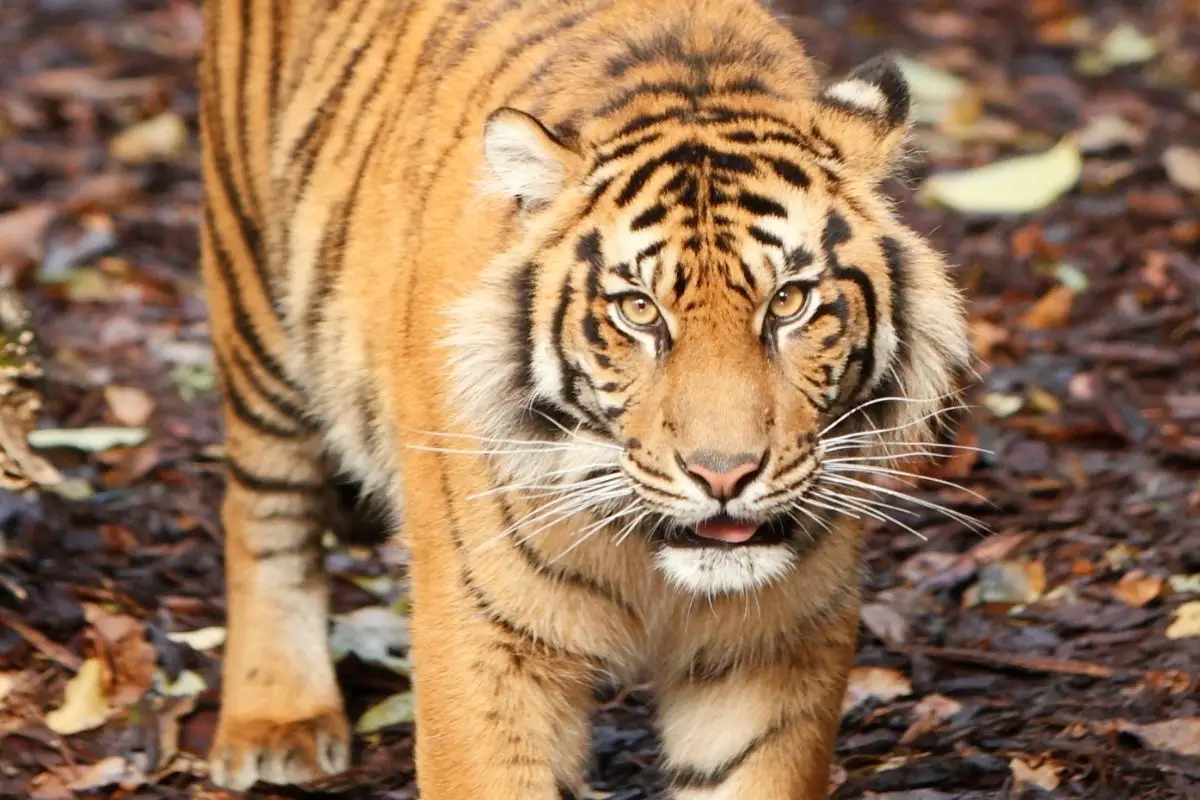
Tigers: Largely solitary, with temporary partnerships during mating
Leopards: Brief encounters, minimal social bonding
Cheetahs: Sometimes form temporary pair bonds, but not lifelong
Jaguars: Solitary mating with no long-term relationships
Lions’ social structure and group living make their reproductive behavior the most complex among big cats.
Conservation Implications of Lion Mating Behavior
Understanding lion mating behavior is crucial for conservation efforts. With lion populations declining by over 40% in the last two decades, their reproductive strategies face new challenges:
Habitat Fragmentation Effects
Reduced genetic diversity due to isolated populations
Difficulty finding mates across fragmented territories
Increased inbreeding risks in small populations
Conservation Breeding Programs
Zoos and wildlife reserves use knowledge of lion mating behavior to:
Maintain genetic diversity in captive populations
Time breeding programs for optimal success
Prepare animals for potential reintroduction to the wild
Conclusion: Understanding Lions Through Their Mating Behavior
Lions don’t mate for life because their survival depends on a different strategy entirely. Their polygamous nature, frequent mating sessions, and complex social dynamics have evolved over millions of years to ensure species survival in challenging environments.
The answer to “why do lions mate so many times” lies in their biology: induced ovulation, low conception rates, and the need for genetic diversity all drive their intensive mating behavior. While this may seem excessive from a human perspective, it’s perfectly adapted to their ecological niche.
Understanding these behaviors helps us appreciate lions not as romantic ideals, but as sophisticated animals whose every action serves the ultimate goal of species continuation. As we work to protect remaining lion populations, this knowledge becomes invaluable for conservation efforts worldwide.
The next time someone asks whether lions mate for life, you can share the fascinating truth: their “promiscuous” behavior is actually one of nature’s most successful reproductive strategies, ensuring the survival of one of Africa’s most iconic species.
Hi, my name is Joe Edwards and I am fascinated by the world of big cats. It all started when my family and I visited a safari park when I was six years old. I begged my parents to get me a stuffed lion as a memento, and later a book about big cats for Christmas.
Now, over 20 years later, I still can’t get enough of them!