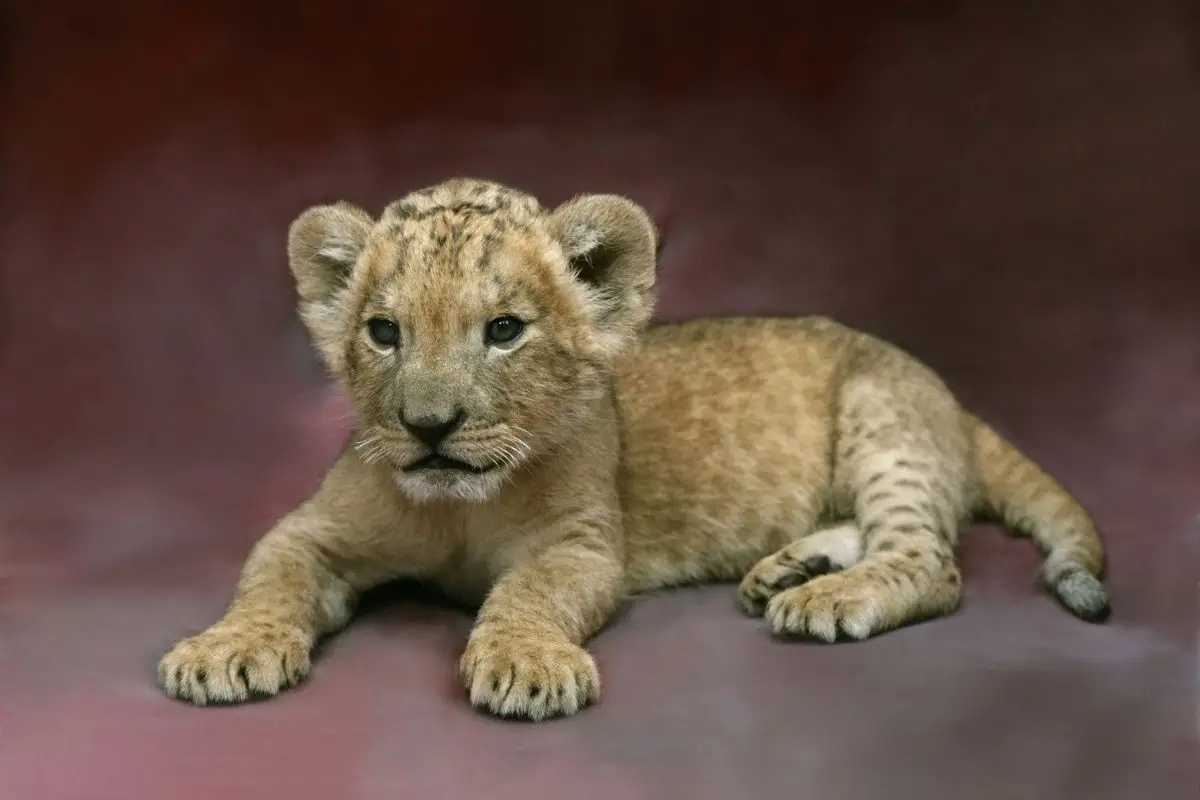
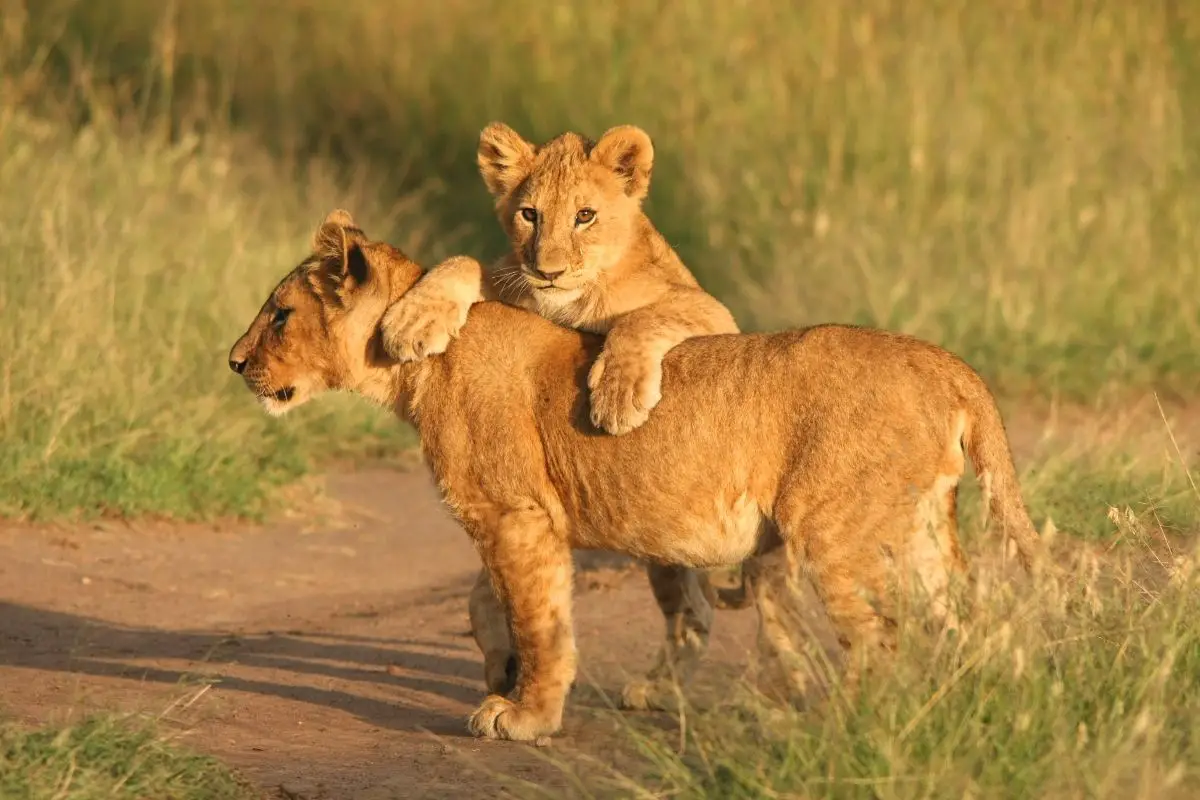
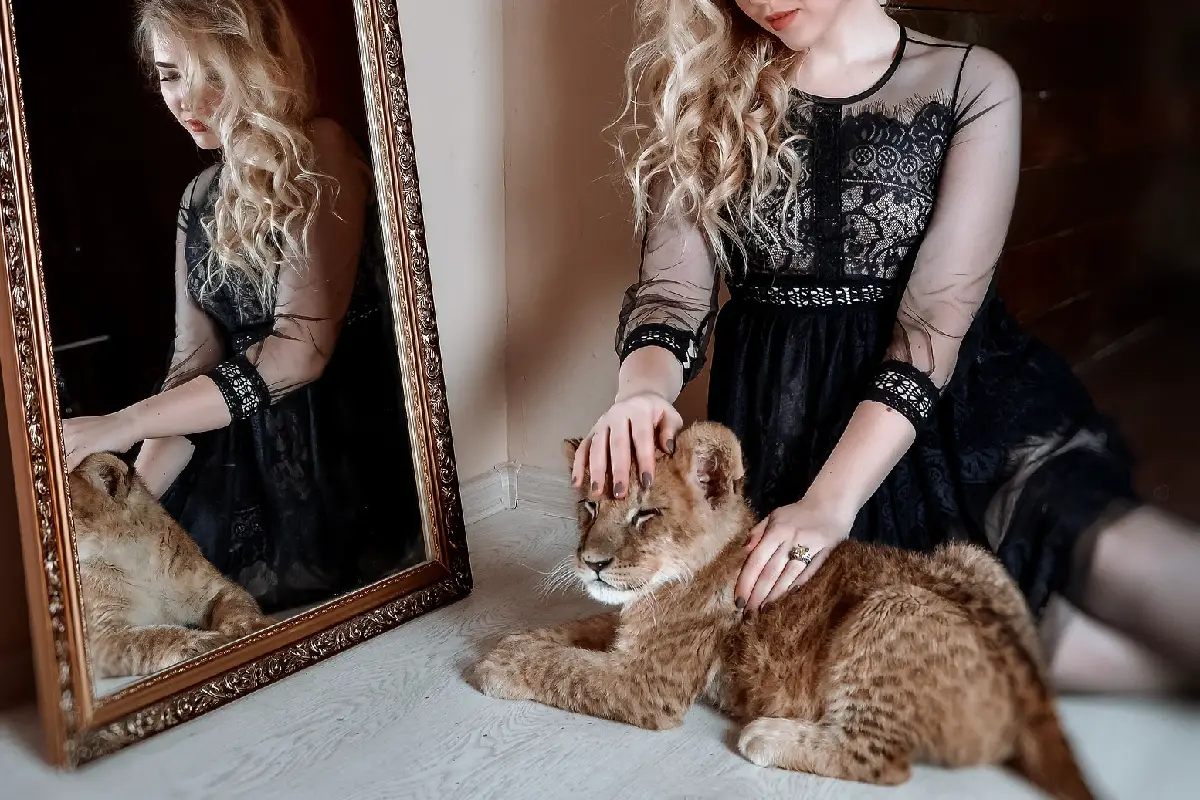
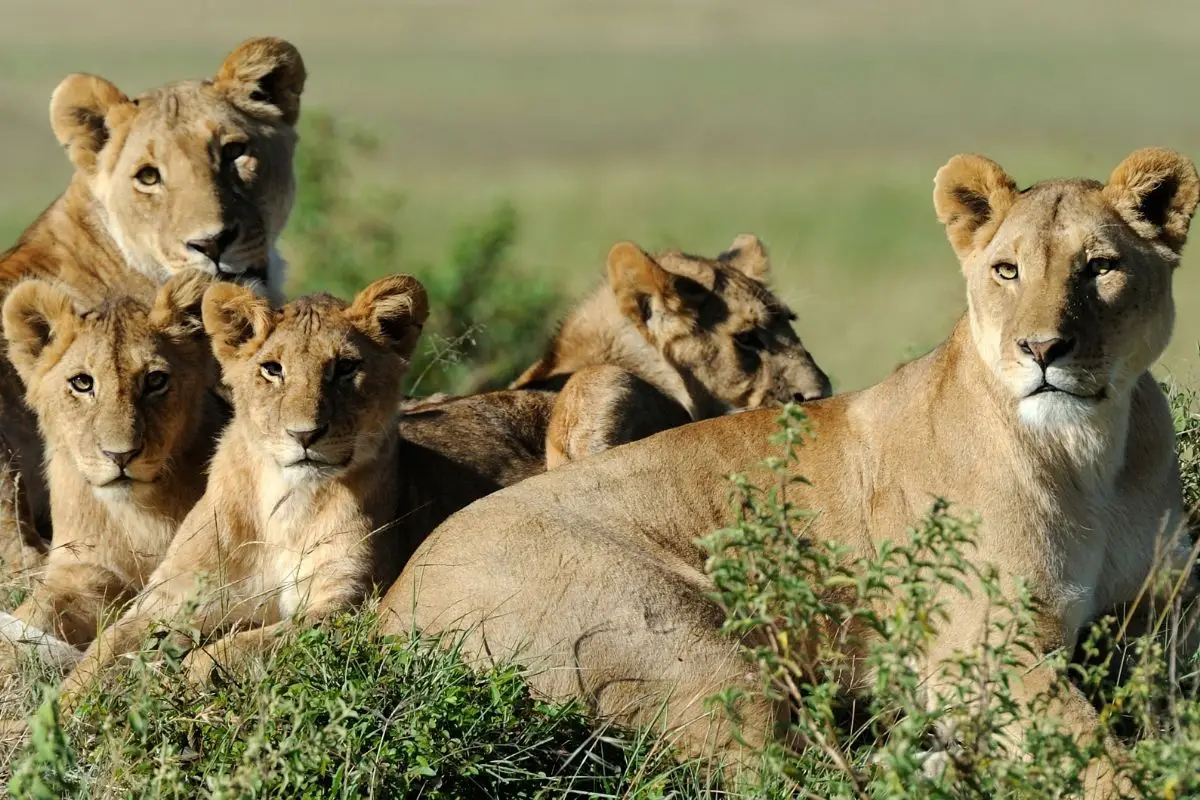
The fascination with owning exotic pets has reached new heights, and lions top many people’s wishlist of dream animals. But how much is a lion cub, and more importantly, can you even buy them legally in 2024? The answer has changed dramatically in recent years, and what you might have read just a few years ago is likely outdated.
With federal laws evolving rapidly and the exotic pet trade becoming increasingly regulated, understanding the current legal landscape is crucial before even considering the financial aspects. Let’s dive into everything you need to know about lion cub ownership, from legal restrictions to the eye-watering costs involved.
The Legal Reality: Big Cat Public Safety Act Changes Everything
The landscape of exotic pet ownership changed forever in 2022 with the passage of the Big Cat Public Safety Act. This federal legislation fundamentally altered the answer to “can you even buy them” when it comes to lion cubs.
What the Federal Law Actually Says
Under the new federal regulations, private ownership of big cats including lions is now heavily restricted across the United States. Here’s what you need to know:
Interstate transport of big cats for private ownership is federally prohibited
New private ownership is essentially banned, with very limited exceptions
Existing owners with permits before 2022 may be grandfathered in under strict conditions
Penalties for violations can reach up to $20,000 in fines plus potential criminal charges
This means the days of relatively easy big cat ownership in states like Nevada, Alabama, or Wisconsin are largely over. Even if you’re wondering how much are lions in general, the legal barriers now make acquisition nearly impossible for private individuals.
For the average person asking “how much is a lion cub” with the intent to purchase, the legal pathway has essentially been closed.
Historical Lion Cub Prices: What They Used to Cost
Before diving into current pricing realities, it’s important to understand what lion cubs historically cost in the private market. This information helps illustrate the financial commitment that was involved even when ownership was more legally accessible.
Pre-2022 Legal Market Pricing
In the years before federal restrictions, lion cub prices varied dramatically based on several factors:
Standard lion cubs: $1,500 – $15,000
Rare subspecies or colorations: $10,000 – $50,000+
White lions: $15,000 – $140,000 (extremely rare)
Adult lions: $5,000 – $50,000+ depending on age and training
Factors That Influenced Lion Cub Prices
Breeder reputation and care standards played the largest role in pricing. Reputable breeders who provided proper veterinary care, appropriate nutrition, and healthy breeding practices commanded premium prices. Unfortunately, this also meant cheaper cubs often came from questionable sources with potential health or behavioral issues.
Subspecies and genetics significantly impacted cost. Common African lions were at the lower end of the price range, while rare white lions or those with specific lineages could cost as much as a luxury car. The rarity factor was similar to what we see with tiger pricing, where unique colorations drive up costs exponentially.
Age and socialization also mattered. Hand-raised cubs that were supposedly more socialized (though never truly safe) commanded higher prices than cubs raised with minimal human contact.
The True Cost of Lion Ownership: Beyond the Purchase Price
Even if you could legally purchase a lion cub today, the initial price would be just the beginning of a massive financial commitment. Understanding these ongoing costs helps explain why even legal ownership was financially out of reach for most people.
Annual Care Expenses
The yearly cost of properly caring for a lion ranged from $10,000 to $50,000+, broken down as follows:
Permits and licensing: $100 – $2,000 annually (where previously legal)
Infrastructure Requirements
Before even acquiring a lion, potential owners needed to invest in proper facilities:
Minimum 1-2 acres of securely fenced land
Specialized fencing: $10,000 – $50,000+ for proper big cat enclosures
Shelter structures: $5,000 – $20,000 for weather-appropriate housing
Security systems: $2,000 – $10,000 for monitoring and safety
These infrastructure costs often exceeded $100,000 before bringing home the first animal, making the initial cub price seem modest by comparison.
Safety Concerns and Why Private Ownership Is Problematic
Understanding why laws changed requires examining the safety risks that drove legislative action. Even hand-raised lions retain their wild instincts and pose significant dangers.
24+ fatalities from big cat attacks in private facilities since 1990
100+ documented escapes of privately owned big cats since 2000
Hundreds of injuries to owners, family members, and emergency responders
These statistics illustrate why the question of “can you even buy them” increasingly led to legislative action prioritizing public safety.
The Domestication Myth
Unlike domestic cats, lions cannot be truly domesticated regardless of how they’re raised. Key differences include:
Size and strength: Adult lions weigh 300-500+ pounds with immense bite force
Predatory instincts: These remain intact even in hand-raised animals
Territorial behavior: Lions naturally defend large territories and can become aggressive
Unpredictable triggers: Even “tame” lions can react violently to unexpected stimuli
This unpredictability, combined with their physical capabilities, makes private ownership inherently dangerous regardless of the owner’s experience or intentions.
Current Market Reality and Illegal Trade
With legal avenues largely closed, it’s important to understand what remains of the lion cub market and why participation is both illegal and dangerous.
Black Market Activity
While federal enforcement has significantly reduced illegal big cat trade, black market activity persists with several concerning aspects:
Inflated prices: Illegal lion cubs now command $5,000 – $25,000+ due to scarcity and risk
Poor animal welfare: Illegal breeders often provide substandard care to maximize profits
Health risks: Cubs from illegal sources frequently have health issues or diseases
Legal consequences: Buyers face the same penalties as sellers under federal law
Enforcement Reality
Federal and state authorities have increased enforcement efforts, including:
Regular inspections of known former big cat facilities
Online monitoring of exotic animal sales platforms
Interstate transport monitoring and checkpoints
Coordination with international wildlife trafficking task forces
This means anyone still asking “how much is a lion cub” with purchase intent is likely to encounter law enforcement rather than legitimate sellers.
Legal Alternatives for Lion Enthusiasts
For those genuinely passionate about lions, several legal and ethical alternatives exist that don’t involve private ownership.
Educational and Conservation Experiences
Many accredited facilities offer intimate experiences with big cats:
Behind-the-scenes zoo tours with close animal encounters
Wildlife sanctuary visits where you can meet rescued lions
Educational programs that allow hands-on learning about lion behavior
Photography workshops at facilities with lions
These experiences provide meaningful interaction with lions while supporting legitimate conservation efforts rather than contributing to the exotic pet trade.
Volunteer and Career Opportunities
For those wanting deeper involvement with lions:
Sanctuary volunteering provides regular contact with big cats needing care
Zoo career paths in animal care, veterinary work, or education
Wildlife rehabilitation programs that occasionally work with big cats
Conservation research opportunities both domestically and internationally
These paths offer more meaningful relationships with lions than private ownership ever could, while contributing to species conservation rather than exploitation.
Supporting Wild Lion Conservation
The most impactful way to help lions is supporting wild conservation efforts:
Donate to reputable organizations working on wild lion protection
Participate in conservation travel programs that fund habitat protection
Support legislation that protects wild lion populations
Educate others about the importance of keeping lions in their natural habitats
Breeding restrictions even for legitimate facilities
Enhanced penalties for violations including mandatory prison time
International coordination to prevent cross-border trafficking
These trends make clear that the era of private big cat ownership is ending permanently.
Conclusion: The Reality of Lion Cub Ownership in 2024
So, how much is a lion cub and can you even buy them in 2024? The honest answer is that while historical prices ranged from $1,500 to $15,000+, legal acquisition is now virtually impossible for private individuals due to federal restrictions.
The passage of the Big Cat Public Safety Act has fundamentally changed the landscape, making private ownership federally illegal with very limited exceptions. Even if legal pathways existed, the true cost of proper lion care—including $10,000-$50,000+ annually in ongoing expenses—puts ownership beyond most people’s financial reach.
More importantly, the safety risks, ethical concerns, and animal welfare issues that drove legislative change demonstrate why private ownership was always problematic. The documented fatalities, escapes, and injuries show that even well-intentioned owners couldn’t eliminate the inherent dangers of keeping wild predators as pets.
For those genuinely passionate about lions, legal alternatives like sanctuary volunteering, educational experiences, and wild conservation support offer more meaningful and impactful ways to connect with these magnificent animals. These options provide authentic interactions while supporting species conservation rather than contributing to exploitation.
The question has evolved from “can you buy them” to “how can you help them,” and that shift represents genuine progress for both public safety and lion welfare. Instead of seeking to own these apex predators, consider how you can contribute to their protection and conservation in their natural habitats where they truly belong.
If you’re interested in learning more about big cats in general, you might also want to explore information about Bengal tigers and their conservation needs, which face many of the same challenges as lions in terms of habitat protection and human-wildlife conflict.
Hi, my name is Joe Edwards and I am fascinated by the world of big cats. It all started when my family and I visited a safari park when I was six years old. I begged my parents to get me a stuffed lion as a memento, and later a book about big cats for Christmas.
Now, over 20 years later, I still can’t get enough of them!